
Plants
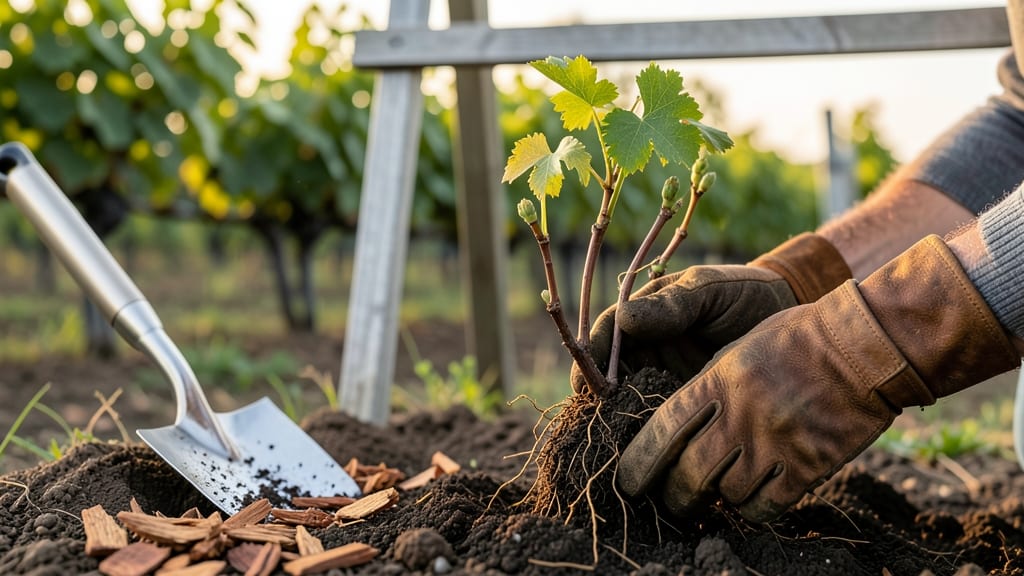
Planting your grape vine 🍇 at the wrong time in Illinois could mean frost damage—or worse, losing your entire crop before it even takes root. But when you time it perfectly, you’ll enjoy homegrown grapes for years with minimal effort.
For Illinois gardeners in zones 5-6, the best windows are early spring (April–May) or fall (September–October), after the last frost risk has passed. This timing gives your vines the ideal head start to establish strong roots before summer heat sets in.
I’ll break down exactly when to plant based on your region’s frost dates, which grape varieties thrive here, and how to prepare your site for success.
Whether you’re a first-time grower or a seasoned gardener, these tips will help you avoid common mistakes and set your grape vine 🍇 up for a bountiful harvest.
Ready to get started? Let’s dive into the perfect planting schedule for Illinois’ climate and soil conditions—so you can enjoy sweet, homegrown grapes by next summer.
Illinois grape vine planting timeline by Zone 5 frost dates
If you're planting grape vines in Illinois, timing is everything. The last spring frost dates across the state—ranging from mid-April in southern Illinois to late April in the north—dictate your planting window.
Grape vines are hardy perennials, but young roots can't handle frost, so planting too early is a recipe for failure.
Illinois spans USDA Zones 5a and 5b, with Zone 5a (northern Illinois) experiencing colder winters, while Zone 5b (southern Illinois) offers slightly milder conditions. This difference shifts your planting window by about 1-2 weeks, depending on where you live.
Always check your local frost-free date—it’s your best friend when planning.
For most of Illinois, the ideal planting window is between April 15 and May 15 for spring planting. This gives your grape vines enough time to establish roots before summer heat sets in. However, fall planting (September-October) is also popular because it allows vines to settle in before winter dormancy.
Pro Tip: Use the National Weather Service’s frost prediction maps or local Cooperative Extension Service resources to pinpoint your exact frost dates. In northern Illinois, you might need to wait until May 1, while southern regions can start as early as April 1.
🌱 Illinois Grape Vine Planting Timeline by Region
| Region | Last Spring Frost | First Fall Frost | Spring Planting Window | Fall Planting Window |
|---|---|---|---|---|
| Northern Illinois (Zone 5a) | April 20-May 1 | October 10-20 | May 1-15 | September 15-October 1 |
| Central Illinois (Zone 5a/5b) | April 10-15 | October 5-15 | April 15-May 1 | September 1-October 10 |
| Southern Illinois (Zone 5b) | April 1-10 | October 20-November 1 | April 1-May 1 | September 15-October 15 |
📅 Note: Adjust for microclimates (e.g., urban areas may frost later).
When planting in spring, aim for bare-root vines as soon as the soil is workable (around 40°F). This gives roots 6-8 weeks to establish before summer heat arrives. If you’re using potted grape vines, wait until all frost risk has passed—usually mid-May in most of Illinois.
For fall planting, choose dormant vines and plant 6-8 weeks before the first frost. This timing allows roots to establish before winter dormancy begins. In southern Illinois, you might extend this window to mid-October, while northern regions should wrap up by early October.
Always monitor your local soil temperature. Grape vines thrive when soil temps reach 50°F. Use a soil thermometer to confirm—cold soil can stunt root growth. If temps drop unexpectedly, protect young vines with mulch or frost cloth until they’re established.
One common mistake is planting too late in spring, which can stress vines as summer heat arrives. Conversely, fall planting too close to frost leaves roots vulnerable. Balance is key—aim for early spring or late summer planting for the best results.
🌿 Bonus Tip: If you’re unsure about frost dates, opt for fall planting. It’s often more forgiving because vines enter dormancy naturally, reducing transplant shock.
Best grape varieties for Illinois planting & their ideal timing
Choosing the right grape variety for Illinois is key—some thrive in our Zone 5-6 climate while others struggle with winter cold or summer humidity.
My top picks for Illinois gardeners are Concord, Niagara, Frontenac, Valiant, and Marquette, all selected for their cold hardiness and disease resistance.
Each variety has its own ideal planting window. For example, Concord (a classic) and Niagara (a white wine grape) prefer spring planting (April–May) when soil temps reach 50°F. Meanwhile, Frontenac and Marquette (hybrids bred for cold climates) can handle fall planting (September–October) with ease.
Here’s how to match your variety to Illinois’ two planting seasons—spring for warm-season varieties and fall for cold-hardy hybrids.
| Variety | Cold Hardiness | Best Planting Window | Notes |
|---|---|---|---|
| Concord | Zone 5-9 | April–May (spring only) | Classic purple grape; needs trellis support. |
| Niagara | Zone 4-8 | April–May or September–October | White wine grape; disease-resistant. |
| Frontenac | Zone 3-8 | September–October (fall preferred) | Cold-hardy hybrid; great for juicing. |
| Valiant | Zone 4-8 | April–May or September–October | Red wine grape; high disease resistance. |
| Marquette | Zone 3-8 | September–October (fall preferred) | Cold-hardy red wine grape; low maintenance. |
If you’re planting bare-root vines in spring, do it as soon as soil is workable (50°F+). For potted vines, wait until after the last frost (typically mid-April in Illinois).
Fall planting works best for dormant vines—they establish roots before winter and wake up stronger in spring.
Pro tip: Mulch heavily after planting (especially in fall) to insulate roots from winter temperature swings. Use straw or wood chips—never fresh wood chips, which can steal nitrogen.
For Illinois gardeners, Concord and Niagara are the easiest starters, while Frontenac and Marquette are the toughest cold survivors. Pick based on your taste preferences (table grapes vs. wine/juice) and local microclimate—northern Illinois may need extra winter protection.
🍇