
Plants
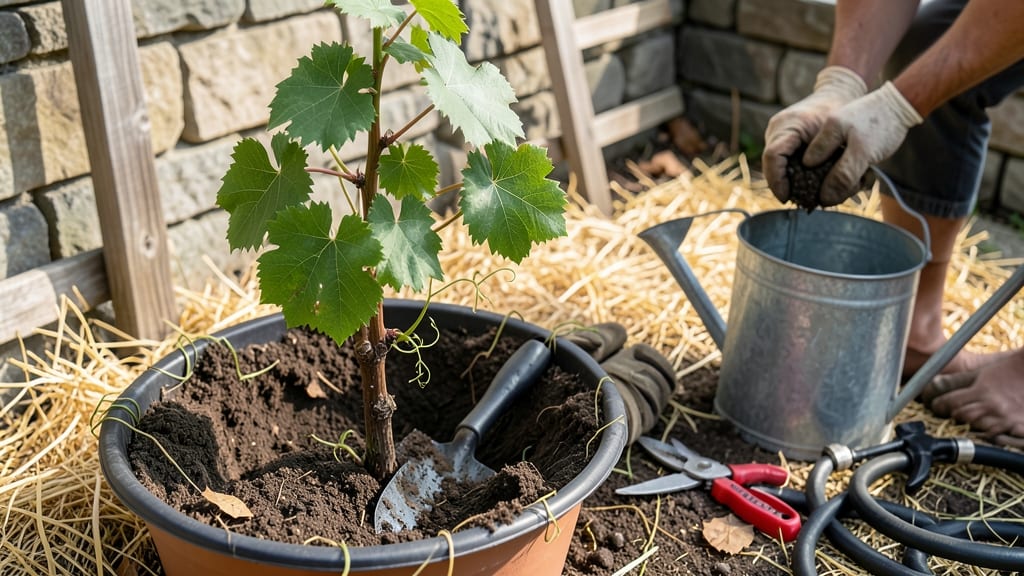
Timing your 🍇 grape planting in Indiana could mean the difference between a thriving vineyard and a frost-wiped-out disappointment. With Indiana's 5b-6b hardiness zones, getting those vines in the ground after April 15th is critical—but not too late that summer heat catches you off guard.
Most Indiana gardeners swear by late April to early May planting, once the soil warms and last frost warnings fade. But what if your spring is late? What if you're growing cold-hardy varieties like Concord or heat-sensitive wine grapes? The right timing depends on your specific variety and microclimate.
I'll walk you through exactly when to plant different grape types in Indiana, how to prepare your soil for maximum success, and what to watch for in those unpredictable spring weeks. Whether you're a first-time grower or a seasoned vineyard enthusiast, these insights will help you avoid common mistakes.
Let's dive into the perfect planting window for your Indiana grape vines—because getting it right means better yields, sweeter grapes, and fewer headaches when summer arrives.
Indiana grape planting deadlines by hardiness Zone (5-6)
Indiana’s USDA Zones 5b-6b mean your grape planting window hinges on last frost dates, which vary by region. Northern Indiana (Zone 5b) typically sees its final frost around April 15, while southern Indiana (Zone 6b) averages April 20-25.
Planting too early risks frost damage, but waiting too long delays root establishment.
For bare-root vines, aim to plant 2-4 weeks after your area’s last frost. Container-grown vines are more flexible and can go in 1-2 weeks after frost, but soil temps should be above 50°F (10°C) to prevent shock.
Always check local frost-free date averages—your county extension office is a great resource.
Soil temperature is just as critical as air temperature. Grapes need soil temps above 55°F (13°C) for 7-10 days before planting. Use a soil thermometer to monitor—cold soil slows root growth and increases disease risk. In cooler years, this might push your planting window into late May.
| Zone & Region | Avg. Last Frost | Ideal Planting Window | Soil Temp Requirement |
|---|---|---|---|
| Northern IN (Zone 5b) | April 15 | Late April - Early May | 55°F+ (13°C+) for 10 days |
| Central IN (Zone 5b-6a) | April 20-25 | Early May | 50°F+ (10°C+) for 7 days |
| Southern IN (Zone 6b) | April 25-May 1 | Early May | 50°F+ (10°C+) for 5-7 days |
Indiana’s microclimates can shift planting windows by 1-2 weeks. If you’re in a valley or low-lying area, expect later frosts (plant later). Conversely, slopes or urban heat islands warm up faster—plant 10-14 days earlier if your area consistently breaks frost sooner.
For cold-hardy varieties like Concord or Niagara, you can push the envelope slightly. These grapes tolerate light frost exposure once established, but young vines still need protection. If you’re planting in early April, use row covers or plant in a sheltered microclimate like near a south-facing fence.
Always monitor your local weather forecasts in the weeks leading up to planting. Apps like Old Farmer’s Almanac or your county extension service provide real-time updates. Pro tip: Set a frost alert on your phone for the week before your target planting date to stay ahead of surprises.
If you miss the spring window, don’t despair—fall planting is possible in Indiana’s Zone 6b areas. Plant 6-8 weeks before first frost (typically late August to early September) to allow roots to establish before winter.
Just avoid planting in Zone 5b after July 31, as roots won’t harden off in time.
Once you’ve nailed your planting window, focus on soil prep. Grapes thrive in well-draining, slightly acidic soil (pH 6.0-6.5). Amend heavy clay soils with compost or sand to improve drainage, and avoid planting in waterlogged areas.
A trellis system should be installed before planting—grapes need support from day one.
Remember: Patience is key. Young grape vines grow slowly at first. In their first year, focus on root establishment rather than fruit production. Prune lightly to encourage a strong framework, and mulch heavily to retain moisture and regulate soil temperature.
With the right timing and care, your Indiana grapevine will reward you with years of harvests—starting as early as late summer for table grapes or fall for wine varieties.
Best grape varieties for Indiana’s climate and when to plant them
Indiana’s climate—with its hot summers and cold winters—favors cold-hardy grape varieties that can survive Zone 5b-6b temperatures. Whether you’re growing for table grapes, wine grapes, or juice production, choosing the right variety ensures a successful harvest.
My top recommendations for Indiana gardeners include Concord, Niagara, and Frontenac hybrids, all of which thrive in our unpredictable spring frosts.
For early spring planting (March-April), opt for bare-root vines of cold-resistant varieties like Concord or Valiant. These can handle late frosts better than delicate wine grapes.
If you’re planting container-grown vines after the last frost (mid-April to early May), varieties like Niagara or Frontenac Gris are excellent choices for table grapes and wine production.
🍇
Table/Wine
Table
Wine/Hybrid
• Cold-hardy
• Disease-resistant
• High yield
Cons:
• Needs pruning
• Susceptible to bird damage
• Sweet flavor
• Early ripening
• Great for fresh eating
Cons:
• Less cold-tolerant
• Needs staking
• Extremely cold-hardy
• Disease-resistant
• Versatile (wine/juice)
Cons:
• Slower growth
• Less common
Wine grapes like Frontenac or Marquette are ideal for Indiana’s climate because they can withstand temperatures down to -20°F. Plant these in early spring (March-April) when soil temperatures reach 45°F to ensure strong root establishment before summer heat sets in. For table grapes, Niagara and Catawba are top picks—they ripen early and handle Indiana’s humid summers well.
If you’re in northern Indiana (Zone 5b), prioritize hybrid varieties like Valiant or Frontenac Gris, which thrive in cooler climates. Southern Indiana gardeners (Zone 6b) can experiment with European wine grapes like Cabernet Franc or Chardonnay, but these require extra winter protection like mulch or row covers.
For fall planting (September-October), stick to container-grown vines of established varieties like Concord or Niagara. This gives roots time to establish before winter, but avoid planting too late—frost-sensitive varieties may not survive if planted after mid-October.
🌱