
Plants
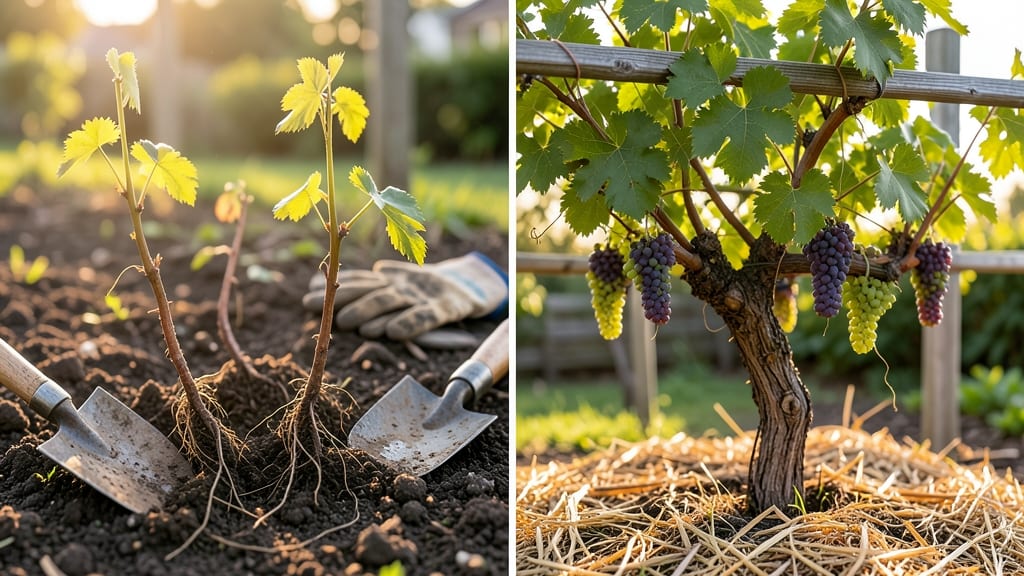
Timing your grapes planting in Kentucky isn’t just about the calendar—it’s about dodging frost, nurturing roots, and setting your vines up for a 180-day growing season.
With USDA Zones 6a-7a bringing unpredictable frost dates (usually around April 15), planting too early risks frost damage, while waiting too long may leave your 🍇 varieties underdeveloped by harvest.
Most Kentucky gardeners swear by late winter to early spring—February to April—when soil temperatures rise just enough to encourage root growth without inviting pests. But here’s the catch: Norton grapes, Kentucky’s signature cold-hardy variety, can handle earlier planting, while tender varieties like Cabernet Franc need that extra warmth.
I’ll break down the exact window for your zone and variety, so you’re not guessing when to dig in.
Beyond the clock, your soil and microclimate play starring roles. Heavy clay in Western Kentucky? We’ll talk drainage. Urban heat islands in Louisville? You’ll want to adjust for earlier planting.
And let’s not forget the 3-step prep work—soil testing, mulching, and trellis setup—that makes all the difference between a thriving vine and a struggling one.
Ready to turn your backyard into a bountiful grapevine? I’ll walk you through the precise steps, from choosing the right variety for your zone to the last frost date you can safely ignore. No more second-guessing—just juicy, homegrown grapes by harvest season.
Kentucky’s frost-free planting windows by grape variety and hardiness Zone
Timing your grape planting in Kentucky depends on two critical factors: your USDA hardiness zone and the cold hardiness of your chosen variety. Most Kentucky regions fall within Zones 5b-7a, with Zone 5b in the Appalachian highlands and Zone 7a in the Bluegrass region.
The last frost typically occurs around April 15, but microclimates can shift this window by weeks.
For bare-root vines, the ideal planting window is February through early April, while potted grapevines can be planted slightly later, up to May 1, as they establish roots faster.
In Zone 5b (e.g., Pikeville), plant Norton grapes by March 15 to avoid late frosts, whereas Zone 7a (e.g., Bowling Green) allows planting up to April 30.
Here’s a quick-reference table for Kentucky’s most popular grape varieties and their optimal planting windows:
| Variety | USDA Zone | Planting Window | Notes |
|---|---|---|---|
| Norton (Cynthiana) | 5b-6a | Feb 15 - Mar 15 | Cold-hardy, Kentucky’s state grape; plant bare-root in dormancy. |
| Chambourcin | 6a-7a | Mar 1 - Apr 15 | Disease-resistant; ideal for warmer Bluegrass regions. |
| Cabernet Franc | 7a-7b | Mar 15 - Apr 30 | Tender; best for southern Kentucky with frost protection. |
| Concord | 5b-6b | Feb 20 - Mar 20 | Early producer; plant early for full-season harvest. |
If you’re planting in Louisville (Zone 6b), aim for March 1-15 to balance frost risk and soil warmth. For Lexington (Zone 6a), shift to March 15-April 1, while Eastern Kentucky’s highlands (Zone 5b) demand earlier planting by February 20.
For potted grapevines, extend your window to May 1 in most zones, but prioritize well-draining soil and morning sun to prevent root stress. In Zone 7a, you can even plant as late as May 15, but expect a delayed first harvest.
Pro tip: Use row covers or black plastic mulch to warm the soil in early spring, allowing you to plant 2-3 weeks earlier in frost-prone zones like Pike County. This trick works especially well for Norton grapes, which need a long growing season to ripen fully.
Always check your local Cooperative Extension Service for last-frost averages, as urban areas like Louisville can experience 5-7°F warmer microclimates than rural Appalachia. A quick phone call to your county extension office ensures you’re planting at the optimal time for your specific location.
Remember, bare-root vines must be planted while dormant (no leaves or buds), typically in late winter. Potted vines, however, can be planted throughout the growing season, but early spring is still best for root establishment.
🍇
How to adjust planting timing for Kentucky’s microclimates and soil conditions
Kentucky’s varied landscapes—from urban heat islands in Louisville to high-elevation valleys in Eastern Kentucky—create unique microclimates that can shift your grape planting window by weeks. A low-lying frost pocket might freeze tender shoots in April, while a south-facing slope in Lexington could warm up early enough for March planting.
Adjusting for these factors ensures your vines thrive without frost damage.
Soil drainage is another critical factor. Kentucky’s heavy clay soils, common in Western regions, can suffocate roots if not amended. Test your soil’s pH (ideal: 6.0-7.0) and mix in compost or sand to improve aeration. Poor drainage delays planting until soil warms and excess moisture evaporates—often pushing back your window by 2-4 weeks.
Mulching extends your planting window in both directions. Apply a 4-inch layer of straw or wood chips after planting to insulate roots from late frosts in spring or early frosts in fall. This technique lets you plant bare-root vines 1-2 weeks earlier in cooler zones (like Zone 5b) without risking frost damage.
Row covers are a game-changer for extended-season planting. Use lightweight fabric to protect young vines from unexpected late frosts (common in Appalachian regions) or to jumpstart growth in urban heat islands. Remove covers during the day to allow sunlight and reapply at night until temperatures stabilize—typically by mid-April in most of Kentucky.
Avoid these common planting mistakes: Skipping soil prep in clay-heavy areas or planting in low-lying frost pockets. These errors can reduce your harvest by 30-50%.
Instead, choose elevated sites with full sun exposure and well-draining soil. If your yard has poor drainage, consider raised beds or mounded soil to prevent root rot.
For potted grapevines, timing shifts slightly. Container-grown grapes can handle transplanting 2 weeks later than bare-root varieties because their roots are less sensitive to cold.
However, they still need consistent warmth—avoid planting after mid-April in Zone 6a or mid-May in Zone 5b, as roots may struggle to establish before summer heat arrives.
Monitor local frost forecasts and adjust your schedule accordingly. Tools like the National Weather Service’s frost prediction maps or local Cooperative Extension Service reports provide real-time data. In Eastern Kentucky’s higher elevations, wait until after May 1 to plant tender varieties like Cabernet Franc, while Louisville’s urban heat may allow March planting for hardy types like Norton.
Planting Mistakes to Avoid in Kentucky
- Ignoring soil drainage: Clay soils suffocate roots—amend with compost or sand before planting.
- Planting in frost pockets: Low areas freeze later; choose elevated, south-facing sites.
- Skipping mulch: Without mulch, roots freeze in spring or overheat in summer.
- Planting too late: Vines need 120-150 frost-free days to mature—don’t delay past mid-April in Zone 5b.
- Using row covers incorrectly: Remove during the day to prevent overheating or fungal growth.
Timing your grape planting to Kentucky’s microclimates isn’t just about the calendar—it’s about reading your land. Observe how sunlight and shadows shift across your yard, test your soil, and watch local frost patterns.
With these adjustments, you’ll maximize your harvest potential and avoid the heartbreak of lost vines. Happy planting! 🌱🍇