
Plants
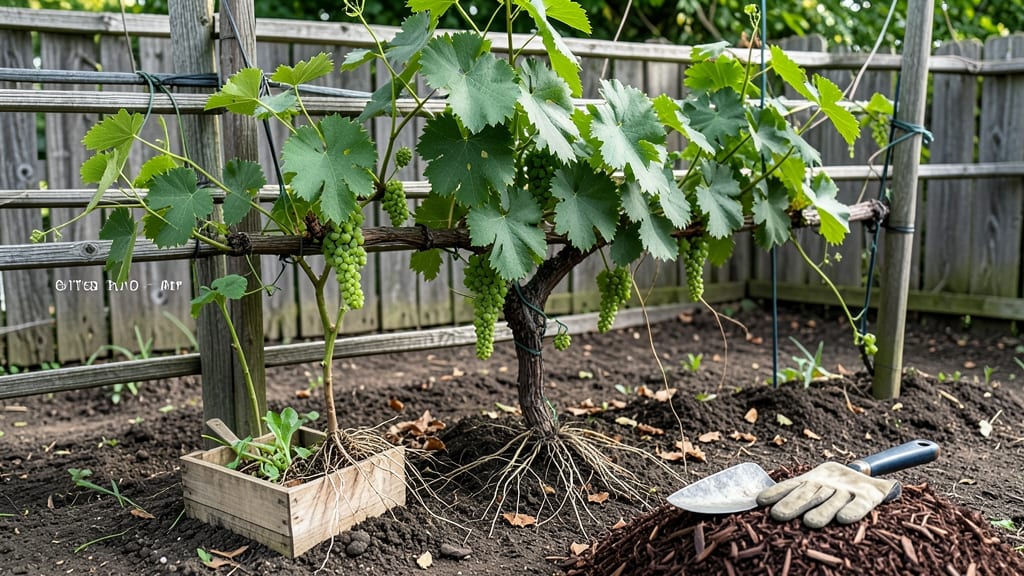
Timing your grape planting in Zone 8 can make or break your harvest—get it wrong, and your 🍇 vines might never recover from frost or heat stress.
The secret lies in planting between late winter and early spring, when soil temperatures hit that sweet spot of 50°F and frost threats fade.
Why does this matter? Because Zone 8’s unpredictable weather—from late frosts to scorching summers—demands precision. Plant too early, and your young vines risk damage; too late, and they won’t establish roots before the heat sets in.
In this guide, I’ll break down the exact frost-free timeline for Zone 8, soil prep tips, and whether container or in-ground planting works best for your climate. You’ll also learn how to spot common mistakes that kill grapevines before they even bear fruit.
Ready to grow thriving vines? Let’s get started with the perfect planting window for your Zone 8 garden.
Zone 8 grape planting calendar: best months and frost-free rules
In Zone 8, where winters are mild but spring frosts can still sneak in, timing your grape planting correctly is everything. The ideal window spans from late winter to early spring, specifically February through April, when soil temperatures rise above 50°F (10°C).
This timing ensures your vines establish roots before summer’s intense heat arrives—critical for Vitis vinifera varieties like Cabernet Sauvignon or Thompson Seedless.
Zone 8’s last frost date typically lands around February 15, but microclimates near coastlines or valleys may push this back to March 1. For native grape species (like Muscadine), you can plant slightly earlier, even in late January, as they’re more frost-tolerant.
The key is avoiding late-spring frosts, which can damage tender new growth.
| Stage | Action | Soil Temp | Risk |
|---|---|---|---|
| Late Winter (Jan-Feb) | Soil prep, bare-root purchase | 40-50°F (4-10°C) | Frost damage if planted too early |
| Early Spring (Feb-Mar) | Plant bare-root vines | 50-60°F (10-15°C) | Low (roots establish quickly) |
| Late Spring (Apr-May) | Transplant potted vines | 60°F+ (15°C+) | Heat stress if planted late |
| Fall (Oct-Nov) | Dormant planting (expert only) | 50°F+ (10°C+) | High (requires winter protection) |
For container-grown grapes, you can extend your planting window slightly into May, but prioritize March-April for in-ground vines. This timing aligns with Zone 8’s 120-150 frost-free days, giving vines enough time to mature before the first frost in November.
Pro tip: Use a soil thermometer to confirm temperatures—roots struggle to establish below 50°F (10°C).
Heatwaves in Zone 8 can stress young vines, so avoid planting after April 15 unless you’re using shade cloth or a trellis with afternoon shade. Vitis vinifera varieties (like Tempranillo) need cooler roots, so mulch heavily with straw or wood chips to regulate soil temperature.
Native grapes, like Scuppernong, handle heat better but still thrive with morning sun exposure.
If you miss the spring window, fall planting is possible but risky in Zone 8. Only attempt it with dormant bare-root vines in October-November, ensuring 6+ weeks until first frost.
Wrap the base with burlap and add extra mulch to insulate roots. I’ve seen beginners skip this step and lose entire vines to winter dieback—don’t make that mistake!
Microclimates play a huge role in Zone 8. Coastal areas (like San Diego) can plant 2-3 weeks earlier than inland zones (like Phoenix). Use your local Cooperative Extension office for hyper-local frost data.
For example, Los Angeles averages 10°F (5.5°C) colder nights in valleys than coastal areas—plant accordingly.
Once planted, monitor your vines for heat stress signs like curled leaves or sunburnt patches by June. If you planted in late April, young vines may need drip irrigation to survive Zone 8’s 100°F+ (38°C+) summers.
Mulching with grape pomace (dried grape skins) adds nutrients while retaining moisture—double win!
Remember: Bare-root vines should never sit exposed to air for more than 24 hours after purchase. Soak roots in water mixed with mycorrhizal fungi for 1 hour before planting to boost root growth. This simple step can double your vine’s survival rate in Zone 8’s unpredictable springs.
🍇
How to prepare your Zone 8 soil and site for grape planting success
Preparing your Zone 8 garden for grapevines starts with well-draining soil and the right sun exposure. Grapes thrive in loamy soil with a pH between 6.0 and 7.0, but Zone 8’s clay-heavy soils often need amendments.
I always test my soil first—you can grab a DIY pH kit for under $10 or send a sample to your local extension office for precise results.
If your soil is too dense or compacted, mix in 3-4 inches of compost or aged manure into the top 12-18 inches of soil. For poor drainage, add sand or perlite to improve aeration.
Raised beds are a game-changer in Zone 8—they warm up faster in late winter and give you better control over soil quality, especially if your yard has heavy clay.