
Plants
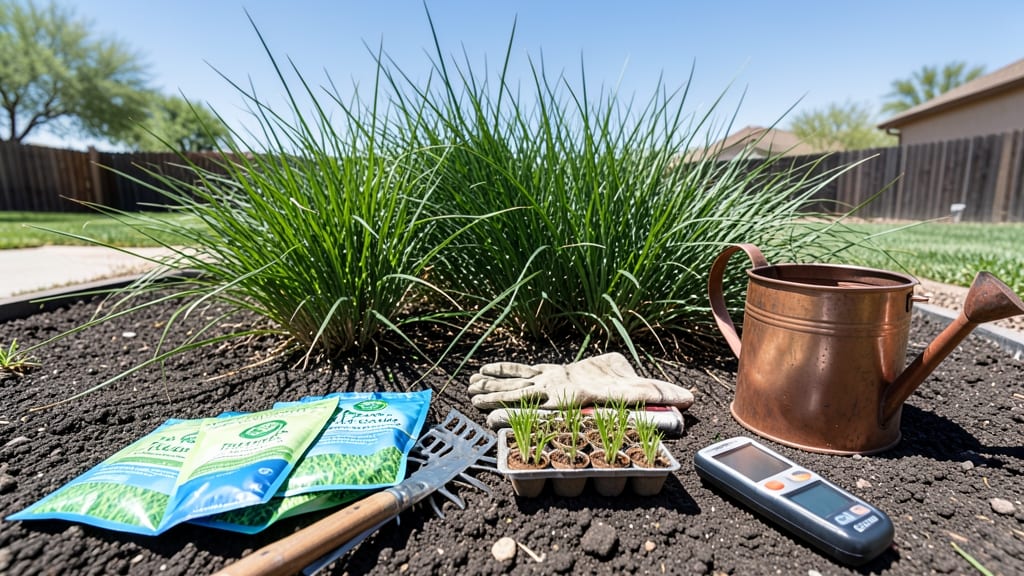
Planting grass in Las Vegas isn’t just about timing—it’s about survival in 110°F heat and scarce water. The key to a thriving lawn lies in those cool months when the desert breathes easier, and the soil stays just warm enough for roots to take hold.
If you’ve ever watched your new grass turn crispy brown by mid-July, you know the stakes. The best window for planting 🌱 Grass (Turfgrass) in Las Vegas is September through October, when monsoon moisture lingers and temperatures dip into the 70s.
But there’s a trickier second chance in early spring—March to April—if you’re planting heat-resistant varieties like Bermuda or Buffalograss.
Why does this matter? Because skipping these windows means battling evaporation rates that can dry out seedlings in days. I’ve seen firsthand how a well-timed planting in fall leads to a lawn that stays green through summer, while a rushed spring effort often fizzles under the sun.
In this guide, I’ll break down the exact months to plant, how to prep your soil for desert conditions, and the 3 critical mistakes that kill Las Vegas lawns before they even start. Let’s get your grass off to the right start.
Best months to plant grass in Las Vegas for maximum survival
Las Vegas’ USDA Zone 9a climate demands precise timing for grass planting—too early, and your seeds scorch in 110°F+ heat; too late, and winter dormancy stalls growth. The optimal window spans September through October, when daytime temps drop to 85-95°F and monsoon rains provide natural moisture.
This timing aligns perfectly with cool-season grasses like Tall Fescue and heat-tolerant varieties such as Bermuda or Zoysia, which thrive when established before winter.
For spring planting, aim for March to early April—just as daytime highs creep toward 75-85°F and soil temperatures stabilize above 60°F. This gives young roots time to establish before summer’s intensity peaks.
However, avoid planting in April-May, when temperatures often spike above 90°F, causing seed desiccation. The key is leveraging Las Vegas’ monsoon season (July-September), which delivers 1-2 inches of rain weekly—ideal for root development if you plant in late August.
Soil temperature is your best indicator: 60-75°F is perfect for germination. Use a soil thermometer to confirm—plant when temps stay in this range for 5+ consecutive days. In Las Vegas, this typically occurs in late September or early October, just before the first frost risk (nonexistent in Zone 9a), ensuring your grass has 3-4 months of growing season before winter slows activity.
Here’s how three top grass varieties align with Las Vegas’ planting windows:
| Variety | Best Planting Months | Why It Works | Water Needs |
|---|---|---|---|
| Bermuda | March-April or September-October | Heat-tolerant; establishes roots before summer/winter stress | Moderate (1 inch/week) |
| Zoysia | April-May or August-September | Drought-resistant; thrives in 90°F+ with deep roots | Low (0.75 inch/week) |
| Buffalograss | September-October only | Native to deserts; needs cool fall to establish | Very Low (0.5 inch/week) |
| Tall Fescue | September-October | Cool-season; survives mild winters; needs monsoon moisture | High (1.5 inch/week) |
If you miss the fall window, your next best option is late winter (February), when soil temperatures begin rising. However, this is riskier due to unpredictable desert winds and occasional 32°F dips.
For sod installation, timing is slightly more flexible—spring or fall both work, but sod requires immediate watering to prevent drying.
Pro tip: Test your soil’s moisture before planting. In Las Vegas, topsoil can dry to powder by midday. Use a soil moisture meter to confirm 2-3 inches of dampness at planting depth. If your soil is bone-dry, pre-water for 24 hours before seeding or laying sod to jumpstart root growth.
This is especially critical for Bermuda grass, which needs consistent moisture for the first 4-6 weeks to avoid browning.
Timing also affects weed competition. Planting in September lets your grass outpace crabgrass and pigweed, which thrive in spring’s warm soil. By contrast, a March planting may leave your lawn vulnerable to weeds until June, when grasses finally outcompete them.
To mitigate this, apply a pre-emergent herbicide in February if planting in spring.
Remember: Las Vegas’ altitude (2,200 ft) creates microclimates. Areas near Mount Charleston (higher elevation) may support cooler soil temps in September, while Strip properties (lower elevation) can stay 10°F warmer.
Adjust your planting date 1-2 weeks earlier for hotter microclimates. Always monitor local weather forecasts for monsoon predictions, as even
How to prepare your Las Vegas lawn for fall planting success
Fall is your golden window for planting grass in Las Vegas, but success depends on thorough preparation. Start by testing your soil pH—aim for 6.0-7.5—since alkaline desert soil often needs amendments like sulfur or peat moss to create ideal conditions.
I recommend using a soil test kit from your local garden center to avoid guesswork.
Next, clear your yard of existing weeds and debris using a manual pull or glyphosate-free herbicide applied 2-3 weeks before planting.
Weeds compete aggressively with young grass for water and nutrients, so this step is non-negotiable for a thick, healthy lawn. Rake the soil afterward to create a fine, crumbly texture perfect for seed-to-soil contact.
🌱
Pros:
- Cost-effective ($0.50/sqft)
- Wide variety choices
- Custom blends for climate
Cons:
- Slower germination (14-21 days)
- Weed risks if not prepped well
- Requires patience for full coverage
Pros:
- Instant coverage (no waiting)
- Weed-free start
- Faster rooting (2-4 weeks)
Cons:
- Higher cost ($0.80-$1.50/sqft)
- Limited variety at stores
- Transport risks (drying out)
For irrigation, set up a drip system or soaker hoses to deliver water directly to the roots. Las Vegas’ evaporative climate means surface watering wastes resources—aim for deep, infrequent watering (1-1.5 inches per week) to encourage deep root growth.
Install a rain sensor to pause watering during monsoon season (July-September) when natural rainfall may suffice.
Two weeks before planting, apply a starter fertilizer with high phosphorus (e.g., 16-4-8 NPK) to boost root development. I use a slow-release granular fertilizer to avoid nutrient burn, spreading it evenly with a broadcast spreader.
If your soil is sandy (common in Las Vegas), mix in compost or peat moss to improve water retention.
On planting day, use a lawn roller to press seeds or sod firmly into the soil, ensuring 100% soil contact. For seeds, lightly cover with a thin layer of straw mulch (¼ inch) to protect against wind and retain moisture.
Water gently but thoroughly to settle the soil and trigger germination. Shade cloth (30-50%) can help young grass avoid afternoon sunburn during the hottest fall days.
After planting, monitor soil moisture daily—it should feel like a wrung-out sponge. Adjust your watering schedule based on weather forecasts, reducing frequency if monsoon rains arrive.
Within 3-4 weeks, you’ll see sprouts emerge, signaling your lawn is on the right track to surviving Las Vegas’ harsh summers. 🌿