
Plants
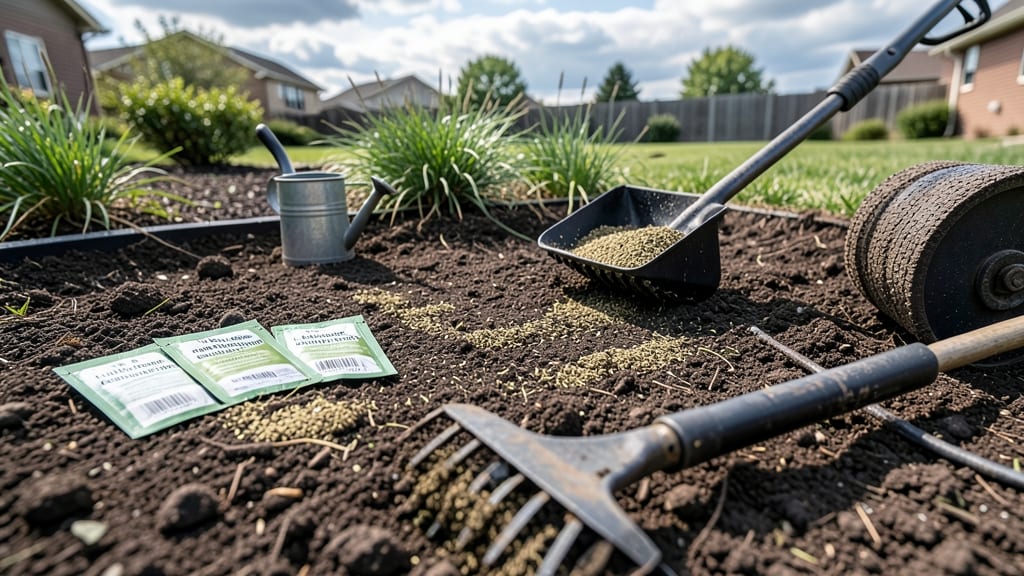
Planting grass seed in Connecticut (CT) during fall isn't just a suggestion—it's the smartest move for a thick, vibrant lawn next spring. The window between mid-September and early November offers cooler temps, fewer weeds, and perfect conditions for your 🌱 to take root before winter sets in.
But timing isn't the only factor—soil prep, seed choice, and even your local microclimate (coastal vs. inland) play a big role. If you miss this window, you risk weak germination or weed competition, leaving your lawn thin and patchy by summer.
Let me show you exactly how to nail the fall planting process, from checking soil temps to avoiding common mistakes. By the end, you’ll know the best dates for your specific CT zone and how to give your grass the strongest start possible.
Whether you're seeding a new lawn or overseeding an old one, these insights will save you time, money, and frustration. Ready to transform your yard? Let’s get started.
Connecticut fall grass-seeding timeline: exact dates & climate factors
Fall is Connecticut’s best time to plant grass seed because cooler temperatures and increased rainfall create ideal germination conditions. Unlike spring, fall planting avoids summer weeds and heat stress, giving your lawn a stronger start before winter dormancy.
But timing is critical—plant too early, and weeds will outcompete your grass; too late, and frost will damage new seedlings.
Connecticut’s USDA zones 5b-6b mean your first frost typically arrives between mid-October and early November. To maximize success, aim to plant 4-6 weeks before frost, which in CT translates to mid-September through early October. This window ensures your grass establishes deep roots before winter sets in.
Here’s how Connecticut’s microclimates affect planting:
- Coastal areas (New Haven, New London): Warmer fall air delays frost until late October, extending your window to early November.
- Inland (Hartford, Litchfield): Cooler nights mean frost arrives by mid-October, so plant by September 25 to be safe.
- Western CT (Danbury, Waterbury): Similar to inland, but slightly warmer—late September to October 10 works best.
Soil temperature is your most reliable guide. Grass seed germinates best when soil is between 50°F and 65°F. In CT, this usually occurs in late September, but monitor your yard—cooler inland areas may need to wait until early October.
Use a soil thermometer to check; if it’s below 50°F, delay planting until conditions improve.
🌱
| Week | Action | Soil Temp | Frost Risk |
|---|---|---|---|
| Mid-Sept | Prepare soil, test pH, apply pre-emergent | 55-65°F | Low |
| Late Sept | Plant grass seed (ideal window) | 50-60°F | Moderate |
| Early Oct | Overseed if missed; fertilize lightly | 45-55°F | High |
| Mid-Oct | Mulch lightly; reduce watering | 40-50°F | Very High |
*Coastal areas can extend planting to early November due to delayed frost.
For cool-season grasses (like tall fescue or Kentucky bluegrass, the best choices for CT), germination takes 10-21 days in ideal fall conditions. If you plant by September 20, your grass should have 4-6 weeks of growth before frost, giving roots time to establish 3-4 inches deep.
This depth is crucial for surviving winter and spring droughts.
Pro tip: Check Connecticut’s weekly frost forecasts from the National Weather Service or your local UConn Home & Garden Education Center. Their free soil temperature maps can help you adjust your timeline based on real-time data.
For example, a cold snap in early October might push your deadline up by a week in inland areas.
If you’re unsure about your local microclimate, err on the earlier side. Planting by September 15 ensures you won’t miss the window, even if frost comes early. Just be prepared to mulch heavily (with straw, not grass clippings) to protect seedlings from temperature swings.
Once your grass is established, fall fertilization (a light application in early October) will strengthen roots for winter. But timing is everything—apply it 4-6 weeks before frost to avoid encouraging late-season growth that won’t harden off before cold snaps.
☀️
5 Critical preparation steps before planting grass seed in CT fall
Before you even reach for that grass seed bag, Connecticut’s cool fall temperatures and variable microclimates demand careful prep work. Skipping these steps means poor germination rates or weed competition ruining your new lawn. Let’s break down the 5 non-negotiable prep tasks to set your grass seed up for success.
First, test your soil’s pH level—Connecticut’s acidic clay soils often need adjustment. Aim for a pH between 6.0 and 7.0; if your soil tests lower, apply lime 4-6 weeks before planting.
This gives the soil time to buffer properly before seeds make contact. Pro tip: Use a home test kit or send a sample to the UConn Soil Lab for precise results.
Next, tackle weed control—the #1 enemy of new grass. Apply a pre-emergent herbicide 2 weeks before seeding to block weeds from germinating. Connecticut’s cool-season weeds like chickweed and henbit thrive in fall, so this step is non-negotiable.
Avoid post-emergent herbicides, as they’ll kill your new grass too. For organic options, use corn gluten meal as a natural pre-emergent.
Now for the seed selection: Stick to cool-season grasses like tall fescue or Kentucky bluegrass, which thrive in Connecticut’s USDA Zones 5b-6b. Warm-season grasses like Bermuda or Zoysia struggle in fall—save them for spring.
Pro tip: Mix 2-3 varieties for disease resistance and color uniformity. Check the seed bag for purity percentages (aim for 90%+).
On planting day, rake the soil to a 1/4-inch depth—this ensures seed-to-soil contact, which is critical for germination. Use a bow rake to create a fine, crumbly texture, especially if your lawn has compacted soil from summer foot traffic.
For bare spots, loosen soil 2-3 inches deep to encourage root penetration. Don’t skip this step: Poor soil prep = patchy lawns.
Finally, mulch lightly with straw (not hay) to retain moisture and protect seeds from bird damage. Apply a thin layer (1/8-inch thick)—too much can suffocate sprouts. Water gently to settle the mulch, then keep soil consistently moist (not soggy) for the first 2-3 weeks.
This is your last critical step before the real work begins.
With these 5 prep steps mastered, your Connecticut lawn will be ready to germinate quickly and outcompete weeds—no matter when the first frost hits. Now, let’s talk about what happens if you miss the window entirely… 🌿