
Plants
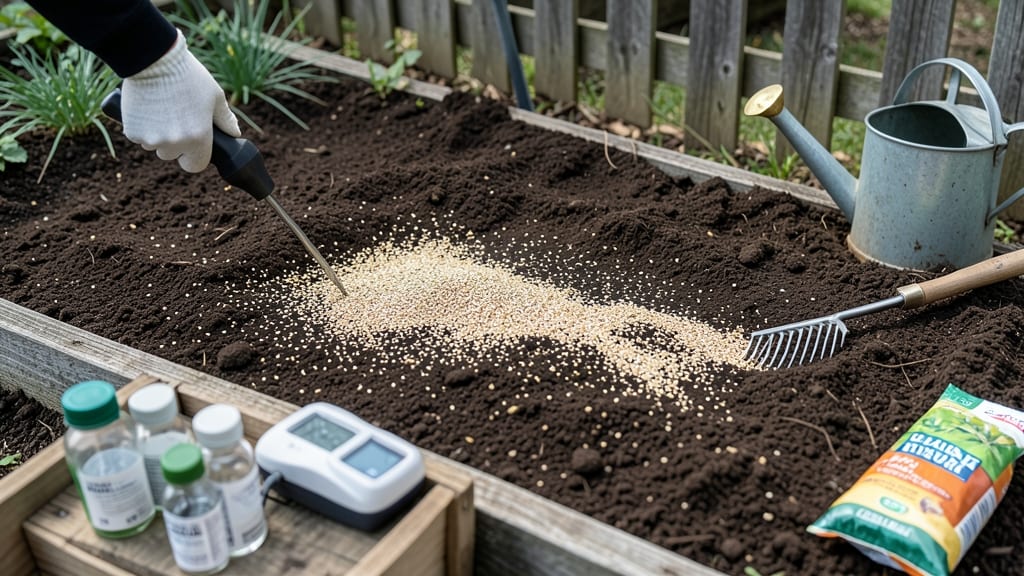
Timing your grass seed planting in Maine spring isn't just about the calendar—it's about beating frost, outsmarting weeds, and giving your lawn the best shot at thriving.
One wrong move, and you're either staring at brown patches from a surprise freeze or watching weeds steal your yard before the grass even gets started.
Maine's 5b-6b climate zone means your window is tight: too early, and frost will kill your efforts; too late, and summer heat will stress young shoots. But here's the good news—with the right soil temperature checklist and frost-free date tools, you can nail this every time.
I'll walk you through exactly when to plant, what to watch for, and how to prep your soil like a pro.
We're talking April to early May for most of the state, but coastal areas might edge into late March, while inland spots should wait until May. The key? Soil that's warm enough (50°F+) and free of hardpan or lingering frost.
I'll show you how to test it and avoid the most common mistakes that turn green dreams into brown patches.
Ready for a lawn that's the envy of your neighborhood? Let's break down the perfect planting window, seed selection tips, and post-planting care that keeps your grass lush all summer—no guesswork required.
Maine’s ideal grass seed planting window: frost-free dates & soil temperature guide
Timing your grass seed planting in Maine isn’t just about the calendar—it’s about understanding your local microclimate and soil conditions.
The average last frost date across Maine ranges from mid-April in Southern Maine to early May in the North, but frost pockets (like valleys) can delay warming by weeks.
For best results, aim to plant when soil temperatures consistently reach 50–65°F—this ensures rapid germination and avoids frost damage to tender seedlings.
Maine’s USDA Hardiness Zones 5b–6b mean you’ll need to adjust for regional differences. Coastal areas like Portland or Bar Harbor warm up faster than inland spots like Bangor or Presque Isle.
Always check the USDA Plant Hardiness Zone Map or your local agricultural extension office for precise frost-free dates tailored to your exact location. Pro tip: Use a soil thermometer to confirm temperatures before planting—don’t rely on air temps alone!
Here’s a quick reference for Maine’s optimal planting window based on regional variations:
| Region | Last Frost Date | Ideal Planting Window | Soil Temp Threshold |
|---|---|---|---|
| Southern Maine (Portland, Kittery) | Mid-April | Late April–Early May | 50–55°F |
| Central Maine (Augusta, Waterville) | Early May | Mid-May | 55–60°F |
| Northern Maine (Presque Isle, Bangor) | Early May | Late May–Early June | 60–65°F |
If you’re planting in early spring (March–April), use a frost cloth to protect seedlings from late frosts. For late spring plantings (June), choose fast-growing varieties like Perennial Ryegrass, which establish quicker in warmer soil.
Always avoid planting when soil is frozen or waterlogged—this leads to poor seed-to-soil contact and rot.
Maine’s clay-heavy soils can slow warming, so test your soil’s readiness with the "squeeze test": Grab a handful of soil—if it crumbles when dry and holds shape when wet, it’s ready.
If it’s still soggy or icy, wait 1–2 weeks. Pro tip: Loosen soil with a broadfork 4–6 inches deep to improve drainage and warm-up rates.
For coastal areas, watch for salty air or sandy soils, which dry out faster. In these zones, mulch newly seeded areas with straw to retain moisture.
Inland areas with heavy clay may need gypsum or compost to improve structure before planting. Always rake seeds into 1/4-inch of soil for optimal contact.
Use this 3-step
5 Critical signs your Maine soil is ready for grass seed (beyond the calendar)
Maine’s spring weather can be a rollercoaster—one day warm enough to plant, the next a surprise frost. Relying only on the calendar misses key soil cues that tell you exactly when your lawn is ready.
These 5 field-tested signs will help you avoid planting too early (and risking frost damage) or too late (and letting weeds dominate).
First, check for consistent soil temperatures above 50°F (10°C) at a 4-inch depth. Use a soil thermometer—this is your #1 indicator that seeds will germinate reliably. Cold soil slows growth, and warm soil speeds it up. Pro tip: Test in the late afternoon when soil is warmest.
Next, observe weed activity. If you see dandelions blooming or crabgrass sprouting, your soil is warm enough for grass seed. These weeds thrive in the same conditions as cool-season grasses like Kentucky Bluegrass or Fine Fescue. If weeds are still dormant, wait a few more days.
Look for moist but not soggy soil. Press your finger 1-2 inches deep—it should feel like a slightly damp sponge, not a muddy mess. Maine’s clay-heavy soils can hold too much moisture, leading to rot or fungal diseases.
If water pools on the surface after rain, amend with compost or sand before planting.
Another clue? Earthworms are active. Dig a small hole—if you spot worms, your soil is aerated and warm, perfect for seed germination. Worms also improve drainage, which is critical in Maine’s heavy clay.
If you see few to no worms, your soil may still be too cold or compacted.
Finally, watch for melted snow patches that stay dry. If snow melts in one spot but the ground stays damp in others, you’re in a microclimate—ideal for planting. These areas warm faster and dry out quicker, reducing frost risk. Start here first, then expand to cooler zones.
⚠️ Callout Warning: Never plant on frozen ground—even if it looks thawed on top. Dig down 2-3 inches; if it’s icy or compacted, wait. Frozen soil blocks roots and seeds from establishing properly.
Once you’ve confirmed these signs, it’s time to prep your soil: rake out debris, level the surface, and lightly loosen compacted areas with a garden fork. Then, apply a starter fertilizer (high in phosphorus) to encourage strong root growth.
With these cues, you’ll plant at the perfect moment—no guesswork, just a lush lawn by summer.