
Lawn
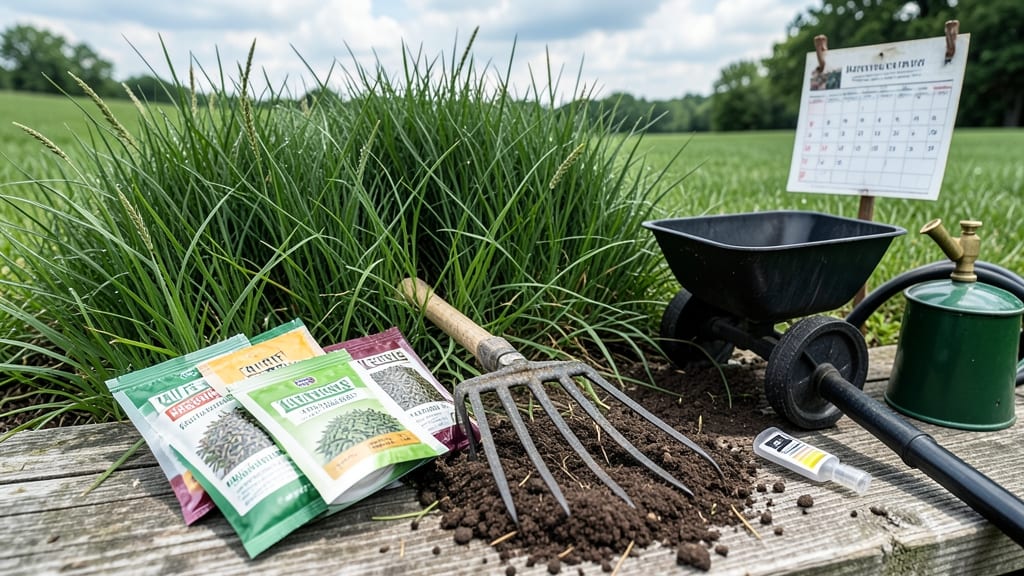
Knowing when to plant grass seed in Kentucky can mean the difference between a lush, green lawn and months of frustration. The wrong timing—like planting too early when frost lingers or too late when summer heat arrives—can leave your 🌱 seeds struggling or even failing to germinate at all.
Kentucky’s unique climate, with its distinct 6a-7a zones, demands precision. Cool-season grasses like tall fescue thrive in early spring, while warm-season types prefer late summer. Missing these windows means weaker roots, slower growth, or even a lawn that never fully takes hold.
I’ve seen firsthand how a few weeks of perfect timing can transform a patchy yard into a vibrant, healthy space.
In this guide, I’ll break down the exact months to plant, soil prep secrets, and how to adjust for Kentucky’s microclimates—so you can skip the guesswork and get it right the first time.
Whether you’re seeding a new lawn or repairing bare spots, these insights will help you avoid common mistakes and set your grass up for success. Let’s get your Kentucky lawn off to the best possible start.
Best months to plant grass seed in Kentucky by climate zone
Kentucky’s diverse climate zones—from the humid Bluegrass Region to the drier Pennyrile Plains—create unique windows for planting grass seed. Cool-season grasses like tall fescue and Kentucky Bluegrass thrive when soil temps hover between 50°F and 65°F, while warm-season grasses like Bermuda grass need soil temps above 65°F.
Timing isn’t just about months; it’s about weather patterns and local microclimates that vary even within cities.
For most of Kentucky, the ideal planting window falls in early spring (March–April) or late summer (August–September). This aligns with soil warming trends and avoids extreme heat or frost risks.
However, regions like Western Kentucky may shift slightly later due to slower soil warming, while Eastern Kentucky’s higher elevations often require earlier planting to beat spring rains.
Here’s how Kentucky’s four main climate zones influence your planting schedule:
| Climate Zone | Best Planting Months | Soil Temp Threshold | Key Risks |
|---|---|---|---|
| Bluegrass Region (Lexington, Louisville) | March–April, August–September | 50°F–65°F (cool-season); 65°F+ (warm-season) | Late spring frosts, summer droughts |
| Pennyrile Plains (Paducah, Henderson) | April–May, September | 55°F–70°F (slower soil warming) | Extreme summer heat, early fall humidity |
| Cumberland Plateau (Bowling Green, London) | March, September–October | 45°F–60°F (cooler nights) | Spring flooding, early winter frosts |
| Knobs Region (Corbin, Somerset) | April, August–September | 50°F–65°F (higher elevation delays) | Late spring hail, summer droughts |
Spring planting in Kentucky typically kicks off after the last frost date (mid-April), but don’t wait too long—soil temps can spike to 75°F+ by May, stressing cool-season grasses. For late summer, aim to plant 4–6 weeks before the first frost (mid-October) to allow roots to establish before winter.
Warm-season grasses like Zoysia or Bermuda can handle later plantings, but they’ll struggle if seeded after August 15th in most zones.
Pro tip: Use a soil thermometer to confirm temps. Cool-season grasses need soil temps below 65°F for germination, while warm-season varieties thrive when soil stays above 70°F for 3+ days. In Kentucky’s humid climate, this often means morning planting to reduce fungal risks from evening moisture.
Regional variations also matter. For example, Northern Kentucky’s urban areas (like Covington) may experience heat islands that warm soil faster, while rural Southern Kentucky might see delayed warming due to heavier clay soils. Adjust your schedule by 1–2 weeks if you’re in a microclimate with unusual soil conditions.
One common mistake Kentucky gardeners make is planting too early in spring when soil is still cold and wet. This leads to seed rot or slow germination.
Conversely, fall planting after October 1st risks frost damage before roots take hold. Always check your local USDA Plant Hardiness Zone (6a–8a) and adjust accordingly.
For overseeding existing lawns, late summer (August) is ideal—it gives new grass a head start before winter while avoiding summer heat stress. Just remember: water deeply 2x daily for the first 2 weeks to keep soil moist but not soggy.
🌱
Best months to plant grass seed in Kentucky by climate zone
Kentucky’s diverse climate—spanning from the humid Bluegrass Region to the drier Pennyrile Plateau—means your grass seed timing should match your local microclimate.
Cool-season grasses like Kentucky Bluegrass and Tall Fescue thrive when planted in early spring or late summer, while warm-season varieties like Bermuda grass need late spring to early summer. Missing these windows can lead to weak germination or stunted growth.
Soil temperature is your best guide: aim for 50–65°F for cool-season seeds and 65–75°F for warm-season types. In Kentucky, this typically aligns with March–April for spring planting and August–September for fall. But regional differences matter—let’s break it down by zone to avoid costly mistakes.
| Climate Zone | Best Planting Window | Soil Temp Threshold | Key Risk |
|---|---|---|---|
| Bluegrass Region (Louisville, Lexington) | March–April (spring) or August–September (fall) | 50–65°F | Late spring drought or early frost |
| Pennyrile Plateau (Paducah) | April–May (spring) or September (fall) | 55–70°F | Extreme summer heat |
| Cumberland Plateau (Bowling Green) | March–April (spring) or August (fall) | 48–60°F | Cool nights delay germination |
| Urban Heat Islands (e.g., Cincinnati) | Late April–May (spring) or September (fall) | 60–75°F | Heat stress on seedlings |
Adjust for 2–4 weeks earlier in southern Kentucky or later in mountainous areas.
For cool-season grasses, the 6-week window before the first frost (typically mid-October) is critical. Planting too late risks weak roots before winter dormancy. Meanwhile, warm-season grasses like Zoysia or Bermuda need 60+ days of warm soil to establish—so late May to June is ideal in Kentucky’s southern zones.
Pro tip: Test your soil’s pH (6.0–7.0) and moisture retention before planting. Kentucky’s clay-heavy soils often need compost or sand to improve drainage. Skip planting if rainfall is unpredictable—drought or flooding can derail germination.
Remember, Kentucky’s humidity speeds up fungal risks, so avoid planting when forecasts show heavy rain within 48 hours. Use a light mulch (straw, not wood chips) to retain moisture without suffocating seeds.
Timing isn’t just about months—it’s about soil warmth, rainfall, and your grass type. Cool-season grasses like Tall Fescue can handle Kentucky’s winter chill, while Bermuda grass thrives in summer’s heat. Plan ahead, and your lawn will reward you with deep roots and lush growth all season.