
Companion Plants
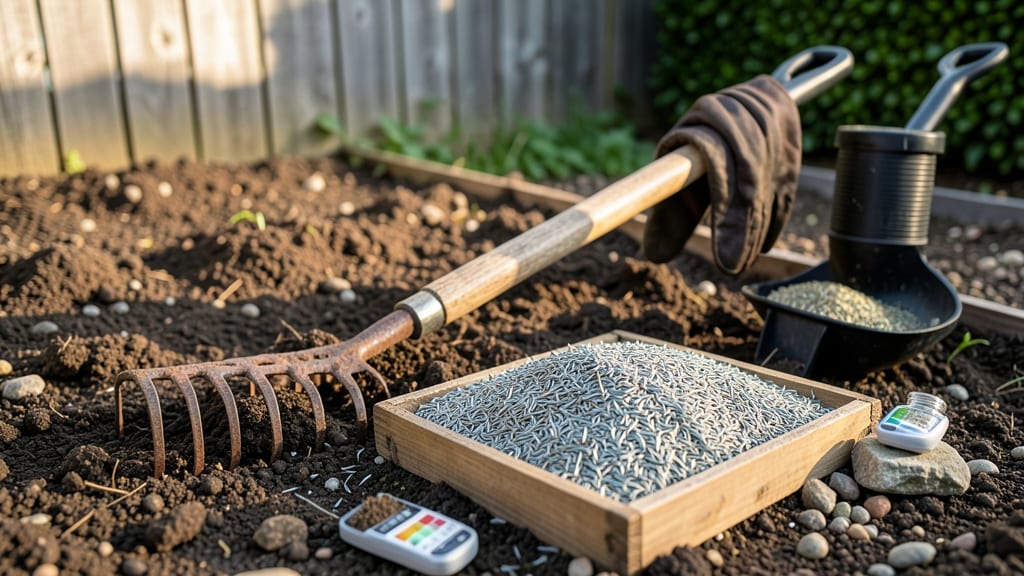
Planting grass seed in Pennsylvania’s fall can transform your lawn from patchy to picture-perfect—but timing is everything. Skip the guesswork and you’ll end up battling weeds or weak germination by spring.
The sweet spot? Mid-September to mid-October, when cool temperatures and consistent moisture give your 🌱 new roots a fighting chance.
Pennsylvania’s zones 5-7 mean your neighbors might be planting a week earlier or later than you, depending on where you live. That’s why knowing your exact frost date (usually mid-November) is the key to success.
Too early, and summer heat stresses seedlings; too late, and winter dormancy kicks in before roots establish.
This guide breaks down the zone-specific weeks you should aim for, plus soil prep tips and seed choices that thrive in PA’s climate. Whether you’re in Pittsburgh’s Zone 6 or Philadelphia’s Zone 7, you’ll learn how to avoid common pitfalls and give your lawn the best start.
Ready to skip the trial-and-error? Let’s dive into the exact steps to plant grass seed at the perfect time—so next spring, your neighbors will be asking your secret.
Pennsylvania’s ideal fall grass-seeding weeks by hardiness Zone (5a-7b)
Pennsylvania’s diverse climate zones (5a through 7b) create a tricky balance for fall grass planting. The golden window is 4-8 weeks before your first frost, but timing varies dramatically—from late August in Zone 7 to mid-October in Zone 5a.
Getting this wrong means weak roots before winter or seeds sprouting too late in the season.
For cool-season grasses like Kentucky bluegrass, tall fescue, and perennial ryegrass, fall is ideal because cooler temps reduce weed competition and help roots establish before winter dormancy. But Pennsylvania’s microclimates mean Philadelphia’s frost dates differ from Pittsburgh’s, so I’ll break it down by zone with exact weeks.
Here’s the zone-by-zone breakdown for Pennsylvania’s fall planting, including city-specific examples and frost date averages from the National Weather Service. Use these as your guide to avoid planting too early (seeds may dry out) or too late (roots won’t establish before frost).
If you’re in Zone 5a or 6a, aim for mid-September to early October. These zones have earlier frosts, so planting too late risks seeds not establishing roots before winter.
For Zone 7a/b, you can push it to late August or early September, but avoid planting after mid-September—roots need time to harden off before frost.
Pro tip: Check the Almanac’s frost predictor for your exact location. For example, Pittsburgh (Zone 6b) averages frost around October 20, so I plant by September 15 to give roots 6 weeks to grow. Meanwhile, Philadelphia (Zone 7b) can handle a later start—late August works well there.
Adjust for early or late winters. If your area had an early frost last year, plant on the earlier side of the window. Conversely, if winters are mild (like in southeastern PAearly November, but avoid planting when nighttime temps drop below 50°F—seeds need warmth to germinate.
For shady lawns, choose fine fescue mixes and plant 2 weeks earlier than sun-exposed areas. Shade slows germination, so give it more time to establish. In sandy soils (common in central PA), plant 1 week later—sandy soil dries out faster, and seeds may need extra moisture to sprout.
Finally, avoid planting after November 1 in most of PA. By then, daytime temps drop too low for germination, and seeds risk rotting in cold, wet soil. If you miss this window, wait until early spring (March–April), but expect more weed competition and slower establishment.
🌱
How to prepare your soil and choose grass seed for fall planting in PA
Fall is the perfect time to plant grass seed in Pennsylvania, but your soil and seed choices make all the difference. Cool-season grasses like Kentucky bluegrass and tall fescue thrive when planted in well-prepared soil with the right pH and nutrients.
Start by testing your soil’s pH—aim for a 6.0 to 7.0 range—and amend it with compost or lime if needed.
Before planting, remove debris and aerate compacted soil to improve water and root penetration. Core aeration is ideal for lawns with heavy foot traffic or clay soil. This step alone can boost germination rates by up to 30% by giving seeds better access to moisture and nutrients.