
Plants
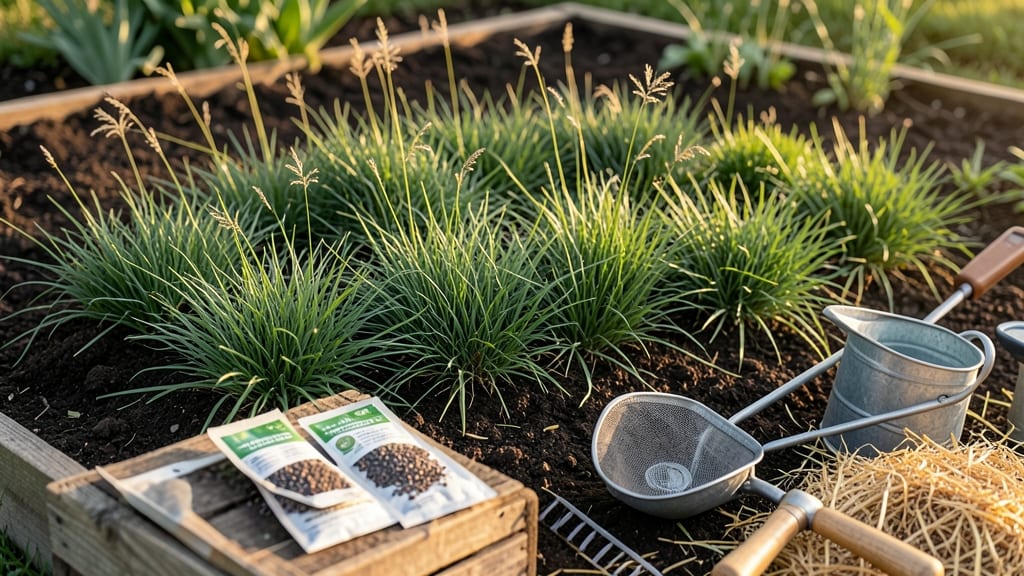
Timing your grass seed planting in Seattle right is the difference between a lush, green lawn and a patchy, frustrating mess—especially when you’re dealing with the city’s damp, ever-changing weather.
The best window for planting isn’t just about the calendar; it’s about matching your seed to Seattle’s unique climate, from the cool, rainy falls to the milder springs.
Most gardeners swear by fall planting—between early September and mid-October—when soil stays warm enough for roots to take hold before winter slows things down. But spring, from early April to May, can also work if you act fast, avoiding the late frosts that sneak in until mid-March.
The key? Getting your seeds in the ground when soil temps hit 55–65°F, a sweet spot that’s hard to nail without knowing the local tricks.
What you’ll learn here is how to read Seattle’s microclimates—whether you’re on the drier Eastside or the wetter Westside—and pick the perfect moment to plant.
Plus, I’ll share my go-to tips for prepping soil, choosing the right grass types, and keeping your new lawn thriving through the Pacific Northwest’s unpredictable rain and shade.
Skip the guesswork and get a lawn that’s the envy of your neighborhood. Let’s dive into the exact timing and steps that’ll make your grass seed succeed—no matter what Seattle throws at it.
Best months to plant grass seed in Seattle: spring vs fall comparison
Seattle’s cool, wet climate makes timing critical for grass seed success. Unlike warmer regions, cool-season grasses like Kentucky bluegrass and fescue thrive when soil temperatures hover between 50°F–65°F. Planting outside this range risks slow germination or fungal issues from excess moisture.
The Pacific Northwest’s microclimates further complicate timing—Eastside areas (like Bellevue) warm faster than Westside neighborhoods (like Ballard). This means your ideal window might shift by 2–3 weeks depending on location. Always check local soil temps before seeding.
🌱
Fall planting (early September to mid-October) is my top recommendation for Seattle. Cooler temps reduce water evaporation, and shorter daylight hours encourage deeper root growth before winter. Seedlings also establish roots before fall rains trigger fungal diseases like dollar spot.
Spring planting (early April to early May) works for patch repairs or overseeding, but timing is tighter. Plant too early, and seeds rot in chilly, soggy soil.
Too late, and summer heat stresses young grass. Use a soil thermometer—wait until temps stay above 50°F for 5+ days.
Seattle’s Westside’s cooler, wetter conditions favor fall planting, while Eastside’s slightly warmer microclimate may extend spring windows by 1–2 weeks. Always adjust for local frost dates: aim to plant 6–8 weeks before first frost (typically mid-November).
Pro tip: Overseeding in late September lets grass establish before winter rains slow growth. Use a starter fertilizer with phosphorus to boost root development during this critical window.
🌿
If you miss fall, don’t despair—March overseeding can revive thin lawns. Just aerate first to break up thatch buildup from winter, then apply half the recommended seed rate. Spring’s increased sunlight helps seedlings outpace weeds.
For urban Seattle yards, consider Tall Fescue blends—they tolerate shade and foot traffic better than Kentucky bluegrass. Plant in late spring if your yard has partial shade; fall works for sunnier spots.
✂️
How to prepare your Seattle lawn for successful grass seed germination
Seattle’s acidic soil and frequent rainfall demand extra prep work before planting grass seed. Without proper preparation, seeds may struggle to establish roots or become overwhelmed by weeds. I’ve learned that soil testing and timely aeration are the foundation of a thriving lawn in this region.
Start by testing your soil’s pH level—Seattle’s natural acidity often falls between 5.0 and 6.0, which can hinder seed germination. Aim for a neutral to slightly acidic range (6.0–7.0) by amending with lime if needed. This adjustment ensures nutrients are available when seeds sprout.
⚠️ CRITICAL STEP: Clear existing weeds using a pre-emergent herbicide or manual removal. Weeds compete aggressively for resources, especially in Seattle’s damp climate where moisture keeps them thriving year-round.
After testing, aerate your lawn to relieve soil compaction—a common issue in Seattle due to heavy foot traffic and clay-rich soils. Use a core aerator to pull small plugs of soil, creating channels for seeds to settle and roots to grow.
This step is especially critical if your lawn has thatch buildup over ½ inch thick.
For irrigation, Seattle’s variable rainfall means you’ll need a reliable system. Install a soaker hose or sprinkler setup that delivers 1 inch of water weekly, adjusting for natural precipitation. Water deeply in the morning (6–9 AM) to reduce fungal risks from evening moisture.
Finally, cover seeds with just ¼ inch of soil—Seattle’s damp climate means seeds don’t need deep burial. Lightly rake the area and keep it moist until germination (typically 7–21 days for cool-season grasses). Mulching with straw can help retain moisture during dry spells.
With these steps, your grass seed will have the best chance to establish strong roots before Seattle’s winter rains or summer heat stress sets in. 🌱