
Plants
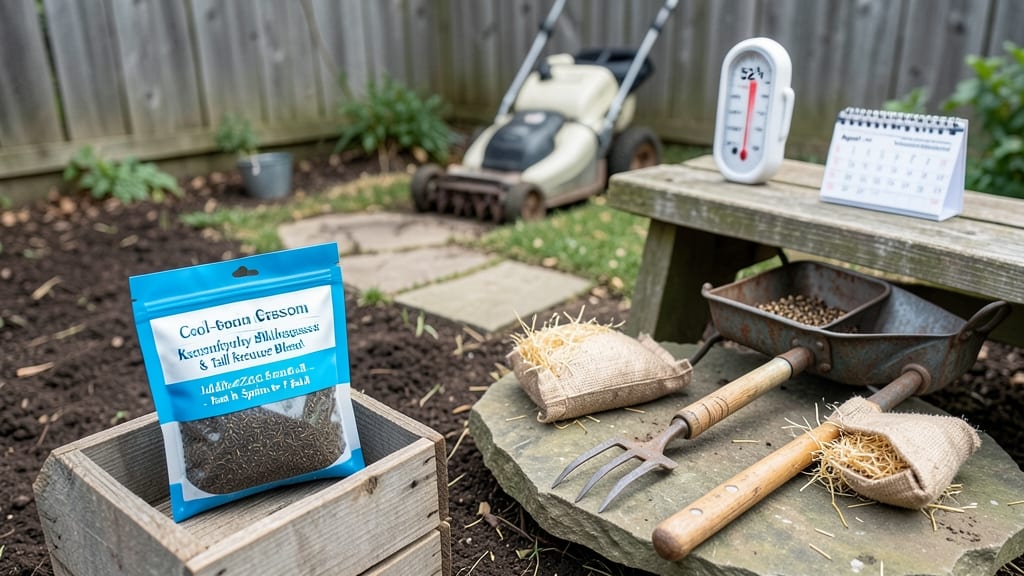
Getting that lush, green lawn in Zone 5 starts with knowing when to plant grass seed in zone 5—it’s not just about throwing seed on the ground but timing it perfectly.
Planting too early or too late can leave you with patchy results or wasted effort, and the key to success lies in understanding soil temperatures, not just frost dates.
I’ve seen firsthand how early fall (September) and early spring (April) are the prime windows for planting grass seed in Zone 5, but why? It’s all about giving your seed the perfect conditions to germinate quickly and establish strong roots before summer heat or winter frost sets in.
In this guide, I’ll break down the exact soil temperature rules you need to follow, the best grass seed types for your zone, and the common mistakes that can derail your lawn—so you can skip the guesswork and get the results you want.
Whether you’re starting from scratch or refreshing an old lawn, these insights will help you plant with confidence and see fast, reliable growth that lasts all season.
Zone 5 grass seed planting timeline by soil temperature (not frost dates)
When planting grass seed in Zone 5, most gardeners focus on frost dates—but the real secret to success lies in soil temperature. Grass seeds need the ground to be warm enough to germinate quickly, and planting too early or late can leave your lawn patchy or weak.
The ideal soil temperature range for germination is between 50°F and 65°F, regardless of whether it's spring or fall.
Why does soil temperature matter more than frost dates? Cold soil slows germination, making seeds vulnerable to fungal diseases and bird predation. Even if the air feels warm, if the soil is still chilly, your seeds may rot before sprouting.
In Zone 5, this means waiting until late April or early September—when the ground has warmed enough—rather than rushing in March or October.
To check your soil temperature, use a soil thermometer (available at garden centers for under $10). Stick it 2 inches deep in the ground and wait 10 minutes for an accurate reading.
If it’s below 50°F, hold off on planting. This simple step can save you from wasted seed and frustration.
Here’s the key rule for Zone 5 gardeners: Aim for 4-6 weeks before the first frost in fall or 2-3 weeks after the last frost in spring—but only if the soil is warm enough.
Early fall (September) is often the best window because cooler air temperatures reduce watering needs while the soil stays warm.
| Season | Ideal Planting Window | Soil Temp Requirement | Why It Works |
|---|---|---|---|
| Early Spring | Late April to early May | 50°F–60°F | Warmer soil speeds germination before summer heat arrives. |
| Early Fall | Mid-September to early October | 55°F–65°F | Cooler air reduces weeds; soil stays warm from summer heat. |
| Late Summer (Risky) | June–July | 65°F+ | High heat stresses seeds; requires frequent watering. |
| Winter (Not Recommended) | November–March | Below 50°F | Seeds won’t germinate; risk of frost damage. |
If you’re planting in spring, don’t be tempted to seed your lawn in March—even if the ground looks dry. Early spring soil is often too cold, and seeds may take weeks to sprout, leaving them exposed to disease and pests.
Instead, wait until late April when the ground has warmed to at least 50°F for consistent germination.
For fall planting, early September is ideal because the soil retains summer heat while daytime temperatures are still mild. This gives seeds time to establish roots before winter dormancy. Avoid planting in late October, as frost can kill young seedlings before they’re ready.
Pro tip: If you’re unsure about soil temperature, use a black plastic mulch for 1–2 weeks before planting. Lay it over bare soil to warm it up faster—this is especially helpful in Zone 5’s cooler springs. Just remove it before seeding to avoid smothering the grass.
Remember, Zone 5’s unpredictable weather means flexibility is key. Always double-check soil temperature and monitor local forecasts for sudden cold snaps. With the right timing, you’ll go from bare patches to a thick, green lawn in just a few weeks. 🌱
Zone 5 grass seed planting timeline by soil temperature (not frost dates)
Zone 5 gardeners often rely on frost dates to time grass seed planting, but soil temperature is the real game-changer for germination success. While last frost dates (mid-May) and first frost dates (mid-October) matter, seeds need consistent soil temps between 50°F and 65°F to sprout reliably.
Planting too early (when soil is still cold) or too late (when summer heat arrives) can leave your yard with patchy, slow-growing grass.
I’ve learned the hard way that April and September are the sweet spots—when soil warms enough to support seedling growth but isn’t yet stressed by summer heat. These months align with Zone 5’s ideal planting windows, but your exact timing depends on local microclimates and soil conditions.
For example, shaded areas may stay cooler longer, while south-facing slopes warm up faster.
| Season | Soil Temp Range | Planting Window | Germination Time |
|---|---|---|---|
| Early Spring | 50°F–60°F | Late April–Early May | 7–14 days |
| Early Fall | 55°F–65°F | Mid-September–Early October | 5–10 days |
| Late Fall | Below 50°F | Avoid planting | Poor germination |
| Summer | Above 70°F | Avoid planting | Seeds dry out |
To check your soil temperature, use a soil thermometer (available for under $10) or press your hand into the ground—if it feels cool but not freezing, it’s likely in the 50°F–65°F range.
I always test in the late afternoon when soil is warmest. Pro tip: Morning planting is best because seeds stay moist longer, reducing fungal risks.
One common mistake I see is planting Kentucky bluegrass in summer heat—it thrives in cool weather but wilts under Zone 5’s July temperatures. Always match your grass seed type to the season. For example, tall fescue handles heat better but still prefers cooler soil temps for germination.
If you’re planting in April, aim for 2–3 weeks after the last frost when soil reaches 50°F. For September plantings, stop by 4–6 weeks before the first frost to give seedlings time to establish roots before winter.
I’ve had the best success with late September plantings—cool enough for germination but warm enough for root growth.
Remember: Consistency is key. Even if your soil temp is perfect, daily watering (1 inch per week) is non-negotiable until seeds sprout. Skipping this step is how patchy lawns start.
For extra insurance, I always test my soil pH (aim for 6.0–7.0) and add compost before planting—this boosts nutrient availability when seeds need it most. 🌱