
Plants
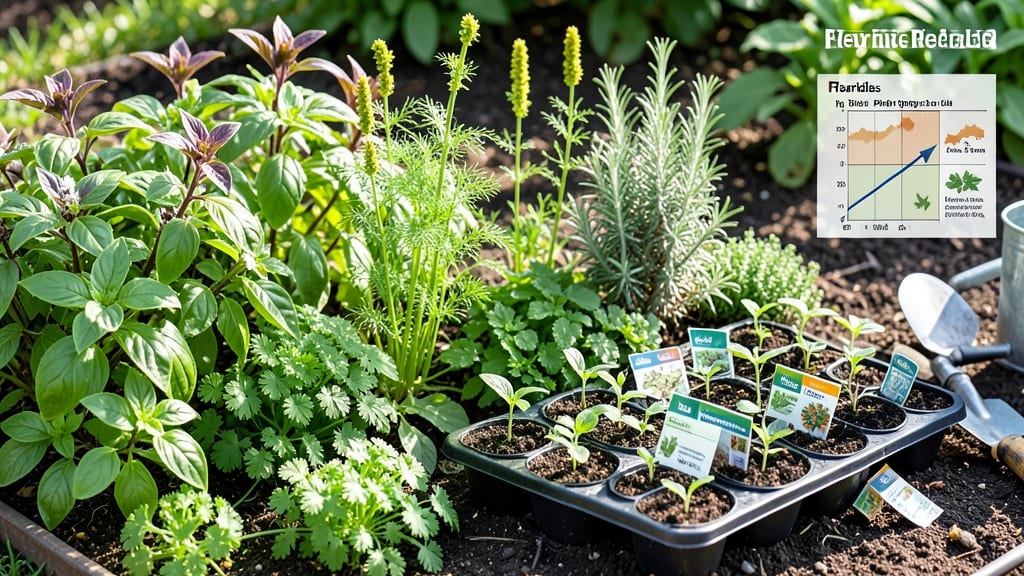
Planting herbs in Florida isn’t just about timing—it’s about unlocking the secret to year-round flavor without the frustration of bolted basil or limp cilantro. With its frost-free winters and scorching summers, Florida’s climate lets you grow fresh herbs almost anytime, but knowing when to plant makes all the difference.
Most gardeners assume spring is the only window, but the truth is, Florida’s zones (8A-10A) let you start herbs as early as February for cool-season varieties or jump into summer planting by June for heat-lovers like rosemary.
The key? Matching your herbs to the right season—and avoiding the pitfalls of Florida’s humidity and intense sun.
Whether you’re filling raised beds or keeping pots on your balcony, I’ll break down the exact months to plant your favorite herbs, from basil to thyme, so you can harvest vibrant, fragrant leaves all year. No more guessing—just flavor-packed success with every snip.
Ready to transform your kitchen garden? Let’s dive into the zone-specific schedule that’ll keep your herbs thriving, no matter the season.
Florida herb planting calendar by hardiness zones (8A-10A)
Florida’s unique climate spans USDA zones 8A through 10A, creating distinct planting windows for your herb garden. Unlike northern climates, we rarely experience frost, but heat waves and humidity can stress tender herbs if planted at the wrong time.
Understanding your specific zone helps you avoid bolting basil or wilting cilantro during extreme weather.
In Zone 8A (north Florida), cooler winters mean you can plant cool-season herbs like parsley and chives as early as late January. Meanwhile, Zone 10A (south Florida) enjoys year-round growth for heat-loving herbs like rosemary and oregano, with planting possible anytime.
The key is matching your herb’s temperature preferences to Florida’s seasonal shifts.
Let’s break down the optimal planting months for Florida’s most popular herbs, organized by zone and season. This calendar ensures you’re harvesting fresh basil in summer and robust rosemary in winter—without the stress of failed crops.
🌱
For Zone 8A gardeners, focus on cool-season herbs like parsley and cilantro in late winter (January-February) when soil temperatures dip below 65°F. These herbs bolt—flower prematurely—when daytime temperatures exceed 75°F, ruining their flavor. Plant them in partial shade during summer to extend their lifespan.
In Zones 9A and 10A, you can plant warm-season herbs like basil and dill as early as March, but avoid late summer plantings when humidity spikes. Instead, opt for succession planting every 6-8 weeks to ensure a continuous harvest.
For example, sow a new batch of basil in June and August to replace bolting plants.
Perennial herbs like rosemary, thyme, and oregano thrive in Florida’s heat but benefit from fall planting (September-October). This gives their roots time to establish before winter rains arrive.
In Zone 10A, you can even plant these herbs in late summer, but provide afternoon shade during the hottest months to prevent leaf scorch.
🌡️
Pro tip: Use a soil thermometer to check temperatures before planting. Most herbs prefer soil temps between 60-75°F. If your soil runs hotter than 80°F (common in June-August), opt for container gardening with potting mix that retains moisture and cools roots.
This is especially critical for cilantro and parsley, which wilt quickly in Florida’s peak summer heat.
Finally, don’t overlook microclimates in your garden. A north-facing bed stays cooler in summer, while a south-facing spot warms up faster. Use this to your advantage: plant heat-sensitive herbs like basil in shadier areas during July and August, while sun-loving oregano thrives in full exposure year-round.
By aligning your planting schedule with Florida’s zone-specific conditions, you’ll enjoy a bountiful herb garden with minimal stress—no more sad, wilty plants or bitter-tasting herbs!
Best herbs to plant in Florida’s summer vs. winter seasons
Florida’s humid subtropical climate creates two distinct herb-growing seasons: summer’s intense heat and winter’s cooler temperatures. While some herbs thrive in Florida’s summer heat, others prefer the milder winter months. Understanding these seasonal differences helps you plan for year-round harvests without gaps in your kitchen garden.
During summer months (June–September), focus on heat-tolerant herbs like oregano, rosemary, thyme, and dill. These varieties not only survive Florida’s high temperatures but also produce flavorful leaves even when other herbs bolt or wilt.
Meanwhile, winter (December–February) is ideal for cool-season favorites such as cilantro, parsley, chives, and mint, which can struggle in summer’s heat.
✅ PROS
- Heat-resistant: Thrive in 90°F+ temps
- Year-round growth: Perennials like rosemary return yearly
- Pest-resistant: Oregano deters many insects
- Bold flavors: Intensified by summer sun
⚠️ CONS
- Water needs: Require frequent irrigation
- Soil stress: Can suffer in heavy clay without amendments
- Bolting risk: Some varieties (like dill) may flower early
✅ PROS
- Cool-season thrivers: Ideal for winter harvests
- Quick regrowth: Cilantro self-seeds easily
- Low maintenance: Mint spreads but requires minimal care
- Versatile uses: Perfect for salads and garnishes
⚠️ CONS
- Heat sensitivity: Bolt or wilt in summer
- Aggressive spreaders: Mint can overtake garden beds
- Short-lived: Many are annuals in Florida’s climate
For a continuous herb supply, practice succession planting—sow fast-growing herbs like basil and cilantro every 4–6 weeks during their optimal seasons. This ensures you always have fresh leaves for cooking, even when some herbs reach the end of their cycle.
For example, plant cilantro in late summer (August) for a fall harvest, then replant in winter (January) for spring use.
Container gardening is another smart strategy for Florida gardeners. Pots on patios or balconies let you move heat-sensitive herbs to shadier spots during summer afternoons or bring them indoors during brief cold snaps in winter.
This flexibility extends the growing season for delicate varieties like parsley and chives, which might otherwise struggle in Florida’s extremes.
Pay attention to moisture levels during seasonal transitions. Summer herbs often need daily watering to prevent wilting, while winter herbs may require less frequent but deeper watering to protect roots from frost.
Mulching with straw or pine needles helps maintain even soil temperatures and reduces water evaporation, keeping your herbs healthy year-round.
Experiment with unusual Florida-friendly herbs like lemon verbena or Mexican tarragon, which thrive in summer’s heat and add unique flavors to dishes. These varieties can fill gaps when traditional herbs are less productive.
With the right seasonal approach, your Florida herb garden can provide fresh flavors every month of the year.