
Companion Plants
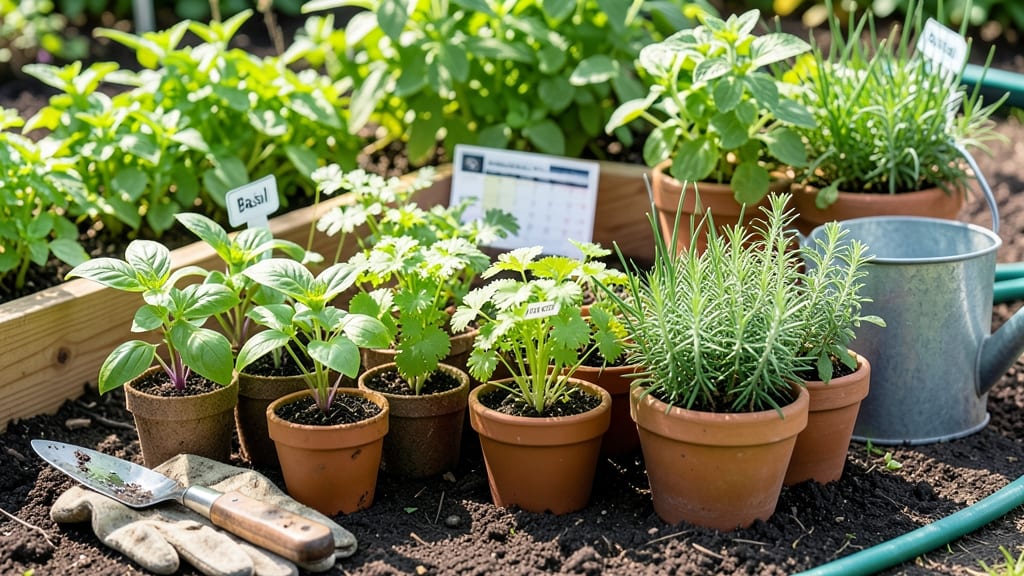
Timing the planting of your 🌿 herbs in Pennsylvania isn’t just about luck—it’s about unlocking a flavor-packed harvest that lasts all season.
With USDA zones 5a-7a and frost dates that shift from mid-April to October, getting it right means the difference between a kitchen garden that thrives and one that fizzles.
I’ve spent years watching my herb patches in Pennsylvania, and the key to success starts with understanding your local frost dates.
Whether you’re sowing basil in spring or chives in fall, knowing when to plant ensures your herbs have enough time to root before the cold sets in—or worse, freezes before they even sprout.
Let’s break down the perfect planting windows for Pennsylvania’s climate, from starting seeds indoors to direct sowing outdoors. You’ll learn which herbs like the longer summer heat and which can handle a little winter chill, plus how to stretch your growing season with simple tricks.
Ready to turn your garden into a year-round herb powerhouse? Let’s dive into the exact months to plant, harvest, and protect your herbs—so you’re never left wondering why your parsley bolted or your rosemary struggled.
Pennsylvania hardiness zones & best herb planting times by month
Pennsylvania spans USDA hardiness zones 5a-7a, meaning your last frost date can vary from late April in the north to mid-May in the south. This diversity affects when to plant your favorite annual herbs like basil versus perennial herbs like rosemary.
For example, Zone 5a gardeners should start seeds indoors in March, while Zone 7a gardeners can direct-sow outdoors as early as mid-April. Understanding these zones helps you align planting with PA’s 165 frost-free days, maximizing your harvest window.
Most herbs thrive when planted 2-4 weeks before your last frost date. In PA, this typically means March through May for spring planting.
For fall planting, aim for August to early September—but avoid planting too close to the first frost (usually mid-October), as tender herbs like cilantro won’t survive winter.
Perennials like thyme or oregano can handle cooler temps, but even they need time to establish roots before winter sets in.
For annual herbs, like basil or cilantro, timing is critical. These heat-lovers need warm soil (at least 60°F) to germinate, so wait until after your last frost to direct-sow.
However, you can start seeds indoors 6-8 weeks before your last frost date for an earlier harvest. Perennial herbs, such as rosemary or thyme, are more forgiving—they can handle cooler temps and even light frosts, making them ideal for Zone 5a gardeners who want to plant earlier.
PA’s microclimates also play a role. Urban areas like Philadelphia (Zone 7a) often experience earlier last frosts than rural Poconos (Zone 5a). If you’re unsure about your exact frost date, use the National Weather Service’s frost calendar or check with your local cooperative extension office.
These resources provide hyperlocal data that can adjust your planting schedule by 1-2 weeks.
Another key factor is herb maturity. Fast-growing herbs like basil need only 60 days to harvest, while parsley takes 90 days. Plant basil in early May to ensure it matures before PA’s first frost in October.
Conversely, slow-growing herbs like dill should be sown as early as March in warmer zones to avoid bolting (flowering prematurely) from heat stress.
Don’t overlook fall planting, which can yield a second harvest before winter. Hardy herbs like chives or winter savory can be planted in late summer and survive light frosts, providing fresh greens well into November.
Even parsley, a biennial, benefits from a fall start—it establishes roots before winter and bolts later in the season.
If you’re starting seeds indoors, begin 4-6 weeks before your last frost. Use grow lights to supplement
How to extend your herb growing season in PA using frost protection
Pennsylvania’s unpredictable frost dates—especially in USDA zones 5a-7a—can cut your herb harvest short. But with the right frost protection strategies, you can plant 2-4 weeks earlier in spring or 2-3 weeks later in fall, giving your herbs like basil, cilantro, and parsley more time to thrive.
The key is balancing herb hardiness with simple, low-cost tools.
Not all herbs handle cold the same way. For example, thyme and rosemary are hardy perennials that tolerate light frosts, while basil and cilantro bolt or die in chilly temperatures.
Understanding these differences lets you choose the best protection method for each plant. Let’s break down the most effective techniques to extend your herb season without breaking the bank.
For spring planting, start with row covers or cold frames 2-3 weeks before your average last frost date (mid-April in most of PA). This gives annual herbs like basil a head start.
In fall, focus on mulching and microclimates to protect herbs like chives until the first frost (mid-October).
Pro tip: Pair frost protection with succession planting. For example, sow cilantro every 2 weeks in spring under row covers—its cool-weather tolerance makes it perfect for early harvests. Just remove covers when temps rise above 70°F to prevent bolting.
Don’t forget to monitor weather forecasts and adjust protection as needed. A light frost warning might only require a row cover, while a hard freeze (below 28°F) demands cold frames or indoor relocation.
With these strategies, your herb garden can stay productive well into November—or even overwinter with the right perennials!
🌿