
Plants
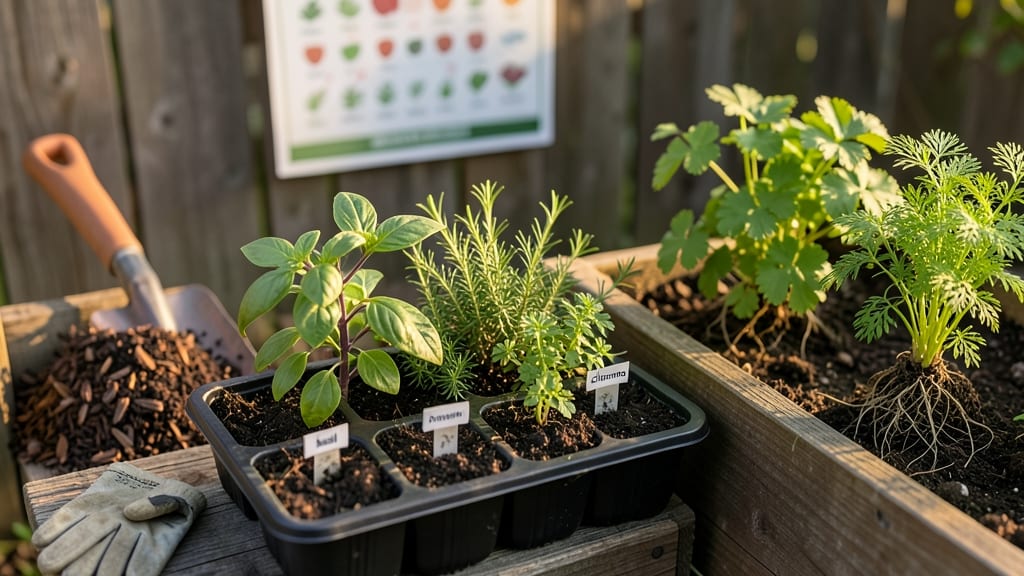
If you've ever planted herbs in Southern California only to watch them bolt in the heat or struggle through a mild winter, you're not alone.
The right timing can mean the difference between a thriving kitchen garden and a sad, wilted disappointment—especially when dealing with microclimates that vary dramatically from coastal to desert regions.
Here's the truth: Southern California's mild winters and long summers give you a year-round advantage for growing herbs, but getting the timing right is still critical.
Whether you're planting basil in spring or rosemary in fall, knowing exactly when to start seeds or transplant seedlings can save you from wasted effort—and give you fresher, more flavorful harvests all season long.
I've tested what works in Zone 9b and 10a gardens, and the best part? Many herbs here don't need the same careful timing as northern climates. We'll break down the exact windows for planting everything from fast-growing cilantro to hardy rosemary, so you can maximize your garden's potential without guessing.
Let's dive into the science-backed schedule that'll help you grow herbs that thrive—no matter where you are in Southern California. You'll learn when to start seeds indoors, how to beat heat stress, and which herbs to plant in each season for continuous harvests.
Southern California herb planting calendar by microclimate zones
Southern California’s diverse microclimates mean one planting schedule won’t work everywhere. Coastal areas like Santa Barbara (Zone 10a) enjoy mild winters, while inland Los Angeles (Zone 9b) and desert Palm Springs (Zone 8a) face hotter summers.
I’ll break down the best months for planting popular herbs in each zone to maximize flavor and growth.
For coastal regions, you can plant most herbs year-round thanks to mild winters, but spring and fall are ideal for peak production. Inland areas should focus on early spring and late summer to avoid summer heat stress, while desert zones thrive with fall planting to escape extreme summer heat.
Here’s how to align your herb garden with Southern California’s three key microclimates:
| Zone & Location | Best Planting Months | Top Herbs for Zone | Avoid Planting |
|---|---|---|---|
| Coastal (Zone 10a) - Santa Barbara, San Diego | Feb-Apr, Sep-Nov | Basil, Cilantro, Parsley, Thyme | Mid-Summer (heat stress) |
| Inland (Zone 9b) - LA, Riverside | Mar-Apr, Aug-Sep | Rosemary, Oregano, Sage, Dill | June-July (peak heat) |
| Desert (Zone 8a) - Palm Springs, Joshua Tree | Sep-Oct, Feb-Mar | Lavender, Mint, Chives, Tarragon | May-August (extreme heat) |
Notice how basil thrives in coastal areas but struggles in inland heat? That’s why I recommend cilantro for spring planting—it bolts in summer, but coastal winters keep it growing. Inland gardeners should opt for rosemary and oregano, which handle summer heat better.
For desert zones, focus on fall planting to establish roots before winter rains. I’ve seen lavender planted in September produce blooms by December—perfect for holiday harvests. The key is watering deeply after planting to encourage root growth before dry spells.
Pro tip: Use shade cloth (30-50%) for summer planting in inland areas. I cover my basil plants with cloth during peak afternoon sun (1-4 PM) to prevent wilting. This simple trick extends the growing season by 4-6 weeks.
Even in coastal zones, winter planting requires caution. While thyme and rosemary tolerate light frosts, cilantro may turn bitter. Plant slow-bolting varieties like ‘Calypso’ cilantro for winter harvests—it handles cooler temps better than standard types.
Remember: Soil temperature matters more than air temperature. Use a soil thermometer—herbs like basil need soil at 70°F+ to germinate. Inland areas should wait until soil warms in April, while coastal gardeners can start as early as February.
Start seeds 6-8 weeks before your zone’s ideal planting date. I begin basil indoors in January for coastal areas, then transplant in March. Inland gardeners should wait until February for indoor starts to avoid early heat stress.
For container gardening, timing shifts slightly. Containers warm faster, so I plant fast growers like dill 2-3 weeks earlier than in-ground. Just ensure pots have drainage holes—herbs hate soggy roots.
How to adjust planting times for heat waves and rainy seasons
Southern California’s weather can shift from scorching heat waves to sudden winter rains—and your herb garden needs to adapt. Unlike frost-prone regions, our biggest challenges are heat stress and overwatering risks during heavy rains. The key is strategic timing to avoid bolting, wilting, or fungal diseases.
For example, basil and cilantro bolt quickly in summer heat, while rosemary and thyme thrive when planted early to establish roots before peak temperatures.
Start heat-sensitive seeds indoors 4–6 weeks before your target outdoor planting date. This gives seedlings a head start before 90°F+ temperatures hit. My go-to method? Use grow lights or a sunny windowsill to harden off seedlings gradually.
For direct sowing, wait until soil temps stay above 60°F—use a soil thermometer to track this. Coastal areas can plant earlier (late February), while inland zones should wait until March or April to avoid early-season heat stress.
🌱Pro Tip: If you’re planting in summer (June–August), focus on drought-tolerant herbs like oregano, sage, and lavender. These handle minimal watering once established. For leafy herbs like parsley or dill, opt for fall planting (September–October) to avoid summer’s intensity.
- 🌡️ Heat Wave Hack: Mulch heavily with straw or wood chips to keep roots 10°F cooler during 100°F+ days. Reapply after rain.
- 🌧️ Rainy Season Rule: Pause planting 24–48 hours after heavy rain to avoid waterlogged soil, which causes root rot in herbs.
- ☀️ Summer Survival: Provide afternoon shade (use shade cloth) for delicate herbs like basil or chives during June–August.
- 🌱 Fall Extension: Plant cool-season herbs (cilantro, parsley) in late August–September for winter harvests before spring heat arrives.
- 💧 Water Wisdom: Water deeply but infrequently—once a week for established herbs—rather than daily shallow watering.
Don’t let unpredictable weather derail your herb garden. For example, if a heat wave is forecasted, harvest herbs early in the morning to preserve flavor and reduce stress on plants.
Similarly, after winter rains, check for pests like slugs or fungal spots on leaves—treat immediately with neem oil or copper fungicide.
My personal trick? Keep a gardening journal to track when you plant, how weather affects growth, and which herbs thrive in your microclimate. Over time, you’ll spot patterns—like cilantro bolting by May or rosemary loving October rains.
Adjust your schedule yearly based on these notes. For instance, I now plant basil in late May instead of April because the earlier heat always stressed my seedlings.
With these adjustments, you’ll beat Southern California’s weather and enjoy fresh herbs year-round. The goal isn’t perfection—it’s flexibility. Even the most experienced gardeners tweak their schedules based on El Niño years or unusual heat domes.
Stay adaptable, and your herb garden will reward you with bold flavors and lush growth no matter the forecast. 🌿