
Plants
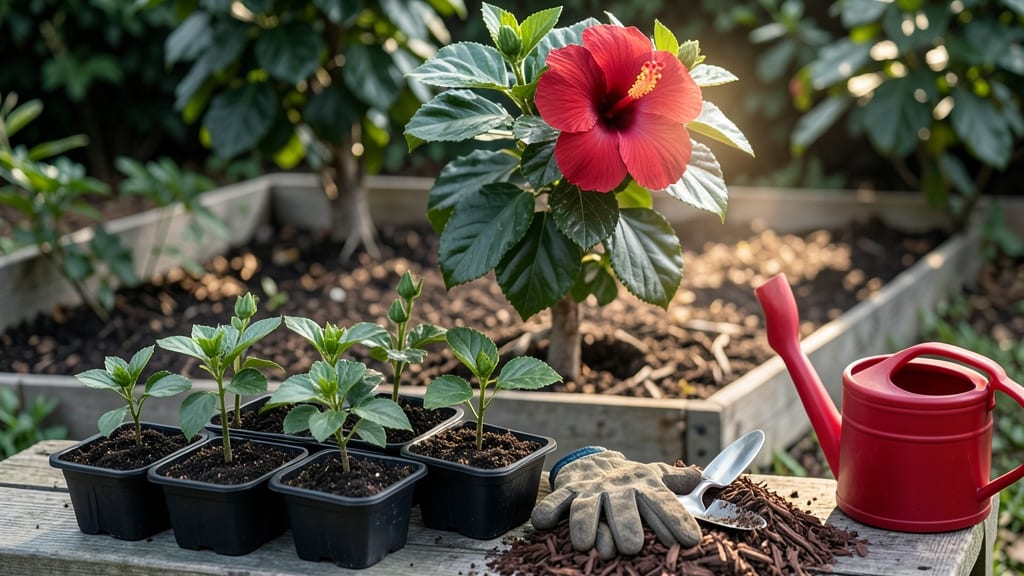
Timing your hibiscus planting in Texas can mean the difference between a showstopping summer garden and a sad, frost-nipped shrub. Most gardeners in zones 8a-10b wait until after the last frost—usually between March and May—but there’s a trick to getting those bold 🌸 blooms started even earlier.
Here’s the catch: Planting too soon risks a surprise freeze, while waiting too long cuts your blooming season short. The key is knowing your exact zone and preparing the soil right—whether you’re sticking with transplants or trying your hand at cuttings.
I’ll break down the best months for your region, plus pro tips to extend your hibiscus’s season.
For container growers, the rules shift slightly—you can plant a few weeks earlier to warm up the soil. But in-ground plantings? Patience pays off. Let’s dive into the exact planting schedule that’ll have your hibiscus thriving from June to October without a single frost-related setback.
Ready to avoid the common mistakes? You’ll learn how to time it perfectly, choose the right variety for your Texas heat, and even protect your plants if an early freeze sneaks up. Your summer garden is about to get a whole lot more dramatic.
Texas planting zones for hibiscus: exact months to avoid freezes
Texas spans USDA zones 7-11, creating wildly different planting windows for hibiscus. In North Texas (zones 7-8), a late frost can strike as late as March 15, while South Texas (zones 9-11) rarely sees frost after January 10.
Getting the timing right means the difference between a lush, blooming shrub and a frost-killed sapling.
Hibiscus thrives in Texas's heat but hates cold snaps. The key is planting after your area's average last frost date, which varies by 100+ miles. For example, Amarillo (zone 7b) waits until April 15, while Houston (zone 9a) can plant as early as February 15.
Let's break it down by zone to avoid costly mistakes.
🌱 Pro Tip: Use the Texas A&M AgriLife Extension frost date maps to pinpoint your exact planting window. Bookmark this for future reference!
| USDA Zone | Last Frost Date | Ideal Planting Window | Freeze Risk | Notes |
|---|---|---|---|---|
| 7a-7b (North TX: Amarillo, Lubbock) | March 15 | April 15 - May 15 | High (20% chance after March 15) | Use cold-hardy varieties; mulch heavily |
| 8a-8b (Central TX: Dallas, Waco) | March 1 | March 20 - April 30 | Moderate (10% chance after March 15) | Container planting extends season by 2-3 weeks |
| 9a-9b (East/Central TX: Austin, San Antonio) | January 10 | February 15 - March 15 | Low (5% chance after Jan 20) | Can plant as early as January in microclimates |
| 10a-10b (South TX: Corpus Christi, Brownsville) | None (rare freezes) | January 1 - April 30 | Very Low (0.5% chance) | Year-round planting possible with shade cloth |
For North Texas gardeners (zones 7-8), the April 15 window is critical. Planting hibiscus in March risks frost damage to tender new growth, while waiting until May delays blooms until late summer.
I’ve seen Lady Baltimore hibiscus in Dallas bloom by June 1 when planted on April 1, but the same variety planted in March often suffers leaf scorch from late freezes.
In Central Texas (zones 8-9), you’ve got a 6-week window from February 15 to March 30. This gives you flexibility to plant both spring and fall varieties. For example, 'Dwarf Blue' thrives when planted in February, while 'Lopaka Yellow' does better in March to avoid heat stress.
Always check your local first frost date—Austin’s average is November 20, so fall plantings should wrap up by October 15.
Southern Texas gardeners in zones 10-11 have the easiest time—plant anytime! However, even here, late fall plantings (November-December) benefit from establishing roots before summer heat. I’ve grown hibiscus in Brownsville planted in January that bloomed by March, beating the summer heat.
Just ensure well-draining soil to prevent root rot in our humid climate.
🌡️ Freeze Alert: Texas isn’t immune to unpredictable freezes. Even in zone 10, a 28°F night can kill hibiscus. Use frost cloth or move containers indoors if a freeze is forecasted. The National Weather Service issues freeze warnings—sign up for alerts in your area!
Texas planting zones for hibiscus: exact months to avoid freezes
Texas spans USDA zones 7-11, and your hibiscus planting window depends entirely on where you live. In North Texas (zones 7-8), frost lingers until mid-April, while South Texas (zones 9-11) enjoys frost-free conditions year-round.
Planting too early in cooler zones risks frost damage, but waiting too late cuts your blooming season short.
For optimal hibiscus growth, aim to plant after your average last frost date. In most of Texas, this falls between March 15 and April 15, but North Texas gardeners should wait until mid-April to be safe.
Fall planting is also possible in zones 9-11, with September-October being ideal for a second flush of blooms.
| USDA Zone | Last Frost Date | Ideal Planting Window | First Frost Risk |
|---|---|---|---|
| 7a-7b (North TX) | Mid-April | April 15 - May 15 | Late October |
| 8a-8b (Central TX) | Early April | March 30 - April 30 | Mid-November |
| 9a-9b (South/Central TX) | None (year-round) | February - May or September - November | None |
| 10a-10b (Deep South TX) | None (year-round) | Year-round (best in spring/fall) | None |
If you're in North or Central Texas (zones 7-8), late April is your safest bet for planting hibiscus. This gives your shrubs 6-8 weeks of warm weather to establish roots before summer heat arrives.
For South Texas gardeners (zones 9-11), you can plant as early as February or even September-October for a fall display.
Pro tip: Use hardy hibiscus varieties like 'Lady Baltimore' or 'Dwarf Blue' in cooler zones—they tolerate brief cold snaps better than tropical types. Always acclimate container-grown plants for 3-5 days before planting to reduce transplant shock.
For container gardening, you can plant hibiscus anytime in zones 9-11, but move pots indoors or under cover if temperatures drop below 40°F. In zones 7-8, wait until after May 1 to avoid early-season freezes that can kill young plants.
Remember: Hibiscus thrives on heat, so the earlier you plant (after frost), the longer your blooming season will be. Aim for 6+ hours of sunlight daily and well-draining soil to maximize flower production.