
Plants
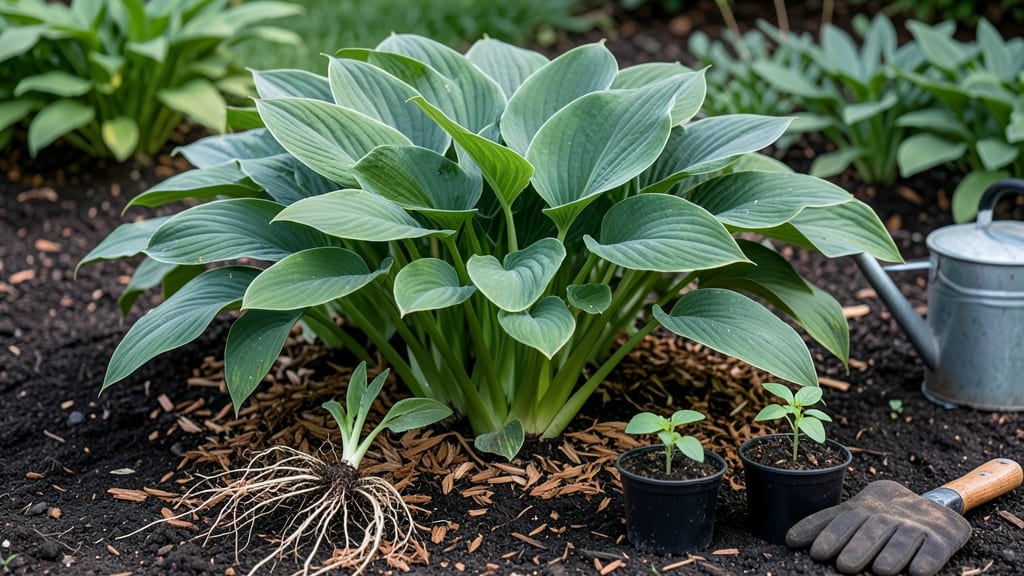
When to plant hostas in Virginia could mean the difference between lush, thriving foliage and a sad, frost-bitten disappointment. Since Virginia’s Zone 7A climate brings unpredictable frost dates, getting the window right is everything for your 🌿 hostas.
Most gardeners swear by early spring planting—typically between March and April—when soil temperatures warm up and the threat of late frost starts to fade. But fall planting in September or October can also work, giving roots time to establish before winter sets in.
If you’re new to growing hostas, you might wonder which season offers the best shot at survival. The answer depends on your local microclimate, soil prep, and even the specific hosta variety you’re planting. Let’s break down the best strategies for Virginia’s unique growing conditions.
Whether you’re a seasoned gardener or just starting, mastering these planting windows will help you avoid common pitfalls and ensure your hostas take root strong. Ready to dig in?
Optimal planting windows in Virginia’s zone 7A: frost-free secrets
Virginia’s Zone 7A climate creates a narrow but critical window for planting hostas—too early risks frost damage, while late planting stunts root growth before winter. The USDA recommends two ideal periods: early spring (March–April) and early fall (September–October).
Both align with soil temperatures above 50°F (10°C), ensuring healthy establishment.
For spring planting, aim for after the last frost date (typically mid-April in Virginia). This gives hostas 6–8 weeks of warm soil before summer heat peaks. Fall planting should occur 6–8 weeks before first frost (mid-October), allowing roots to anchor before dormancy.
Missing these windows risks shallow roots or winter dieback.
🌱 Hostas in Virginia: Planting Timeline
| Season | Best Time | Soil Temp | Key Consideration |
|---|---|---|---|
| Spring | March–April | 50°F+ (10°C+) | After last frost; avoid late May heat stress |
| Fall | September–October | 55°F+ (13°C+) | 6–8 weeks before first frost; mulch heavily |
⚠️ Pro Tip: Test soil temperature with a soil thermometer—hostas thrive when roots can grow 1 inch per week.
Local Virginia gardeners swear by late March for spring planting, especially in sheltered microclimates like Piedmont regions. September 15–October 1 is ideal for fall, as it balances root growth with frost avoidance. Northern Virginia’s cooler pockets may shift these dates by 1–2 weeks—always check your local frost calendar.
Soil temperature matters more than calendar dates. Hostas need consistent warmth to break dormancy or establish roots. Use a soil thermometer to confirm 50°F (10°C) for spring or 55°F (13°C) for fall. Cold soil slows root growth, leaving plants vulnerable to winter heave or disease.
Microclimates in Virginia create localized variations. Coastal areas like Norfolk can plant 2 weeks earlier than inland Roanoke. Mountain regions (e.g., Blacksburg) may need to delay until late April to avoid late-spring frosts. Observe nearby azalea blooms—they signal safe planting times.
Mulching is non-negotiable in Virginia’s humid summers and freezing winters. Apply 3–4 inches of mulch (shredded bark or pine straw) after planting to retain moisture and insulate roots. Organic mulch also improves soil as it decomposes, feeding your hostas for years.
Container planting offers flexibility for urban Virginia gardeners. Use well-draining pots with moisture-retentive soil (50% potting mix, 30% compost, 20% perlite). Move containers to protected spots if frost threatens. Dwarf varieties like ‘Halcyon’ thrive in containers, perfect for patios or balconies.
Common mistakes include planting too deep (bury crowns 1 inch below soil) or using poor-draining soil. Virginia’s clay-heavy soils often need amendments like peat moss or sand. Test soil pH (6.5–7.5)—hostas prefer slightly acidic conditions. Lime can raise pH if needed.
For maximum survival, pair planting with proper watering. Keep soil evenly moist (not soggy) for the first 4–6 weeks. Deep watering 2–3 times per week encourages deep root systems. Drip irrigation works best, avoiding leaf fungal diseases from overhead watering.
Virginia’s Zone 7A climate rewards precise timing. Whether you choose spring’s vibrant growth or fall’s steady roots, follow these cues: soil warmth, frost dates, and microclimate.
With the right window, your hostas will establish roots, survive winters, and reward you with lush foliage for decades. 🌿
How to time your hostas for maximum survival: pro tips from Virginia gardeners
Planting hostas in Virginia’s Zone 7A isn’t just about picking a month—it’s about reading your soil and climate like a pro. The key is ensuring your hostas establish roots before the first frost, which typically hits around mid-October.
My secret? Focus on soil temperature—aim for 50°F or warmer for spring planting, or 60°F or cooler for fall.
For spring planting, wait until after your last frost date (usually mid-April in Virginia). This gives your hostas a head start before summer heat arrives. In fall, plant 6-8 weeks before frost—so late September to early October—to allow roots to grow but avoid winter stress.
Here’s the golden rule: Never plant when soil is frozen or waterlogged. Test your soil with a finger—if it’s too cold or soggy, wait a week. Virginia’s clay-heavy soils can trap moisture, so amend with compost to improve drainage before planting.
🌱 Pro Tips for Hostas in Virginia
- 📅 Plant in March-April for spring or September-October for fall.
- 🌡️ Soil temp must be 50°F+ for spring, 60°F+ for fall.
- 💧 Water deeply after planting to settle roots.
- ☀️ Avoid afternoon sun—hostas prefer shade.
- 🌿 Mulch heavily (3-4 inches) to protect roots.
Mulching is non-negotiable in Virginia’s humid summers and cold winters. Use 3-4 inches of organic mulch (like shredded leaves or pine straw) to retain moisture and insulate roots. Pro tip: Apply mulch after planting but before summer heat peaks—this keeps roots cool and reduces weed competition.
Choose dwarf varieties like ‘Blue Angel’ or ‘Halcyon’ if your yard gets intense afternoon sun. These tolerate heat better than giant varieties like ‘Francee,’ which can scorch in Virginia’s Zone 7A summers. Always plant in well-draining soil—hostas hate soggy feet!
Finally, mark your calendar for late September—this is prime time for fall planting. By then, summer’s heat has passed, and roots have time to grow before winter. Just avoid planting after October, or your hostas won’t survive the freeze.