
Plants
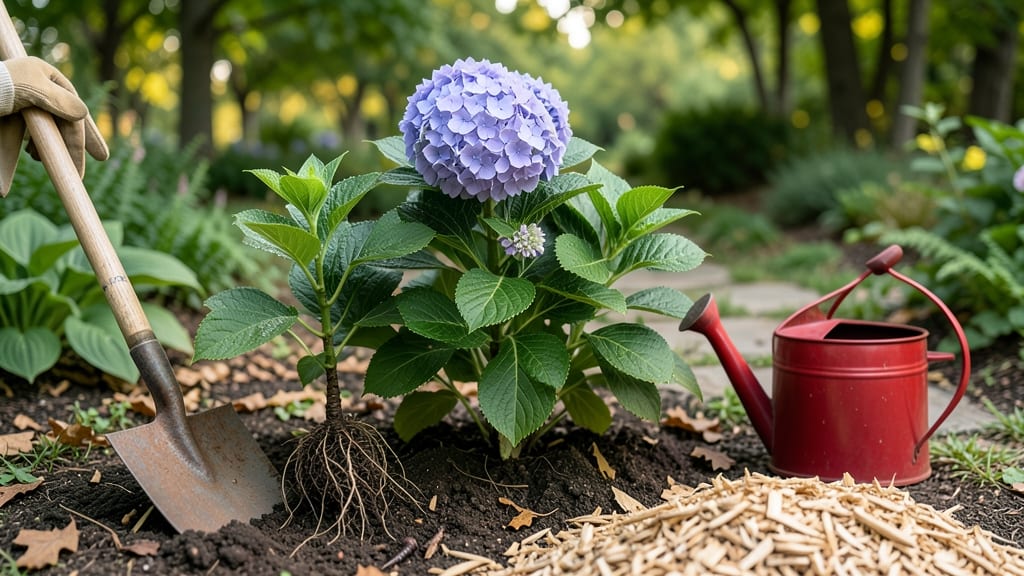
Planting hydrangeas in Arkansas can feel like a gamble—too early, and they’ll struggle with heat; too late, and they might not root before winter. But getting the timing right is the key to vibrant blooms that survive Arkansas’s 7a-8a climate like a pro.
Most gardeners in Arkansas swear by planting in early spring (March-April) or fall (September-October), when soil temperatures are cooler and moisture levels are just right. This is especially true for heat-sensitive varieties, though some tougher types can handle summer planting with extra care.
Whether you’re digging in-ground or sticking with containers, the right timing means fewer struggles with wilting and more energy for those stunning 🌸 clusters. Let’s break down the best months, soil prep secrets, and how to pick varieties that won’t wilt in Arkansas’s summer heat.
You’ll also discover why fall planting might actually be the smarter move for Arkansas gardeners—and how to prep your soil for success. Ready to plant with confidence?
Best planting months for hydrangeas in Arkansas’s climate zones
Arkansas’s USDA zones 7a-8a mean hydrangeas face both sweltering summers and unpredictable frosts. Timing your planting right ensures your shrubs establish strong roots before extreme heat or cold hits. The ideal windows are early spring (March-April) or fall (September-October), when temperatures are mild and moisture levels are steady.
Spring planting gives hydrangeas 6-8 weeks to root before summer’s peak heat arrives. Fall planting, however, is often preferred in Arkansas because it allows roots to grow undisturbed through winter, resulting in bigger blooms next year.
The key is avoiding late spring or early fall when summer heat or winter frosts can stress young plants.
For northern Arkansas (zones 6b-7a), aim for April 15-May 1 in spring or September 15-October 15 in fall. Southern Arkansas (zones 7b-8a) can plant slightly earlier: March 15-April 15 in spring or September 1-October 1 in fall.
These adjustments account for earlier last frosts in the south and longer growing seasons.
Here’s how to align your planting with Arkansas’s microclimates and soil conditions for maximum success:
If you miss these windows, container planting is a great workaround. Containers let you move hydrangeas to shadier spots during summer or bring them indoors if frost threatens. Just ensure pots have drainage holes and use well-draining potting mix to prevent root rot—a common issue in Arkansas’s humid climate.
Another critical factor is soil preparation. Arkansas’s clay-heavy soils can suffocate hydrangea roots. Amend your planting hole with compost or peat moss to improve drainage. For blue hydrangeas, aim for acidic soil (pH 5.0-5.5); for pink or white blooms, a slightly higher pH 6.0-6.5 works best.
Test your soil’s pH before planting to avoid guesswork.
Once planted, mulch generously with 2-3 inches of organic mulch (like pine straw or shredded bark) to retain moisture and regulate soil temperature. In Arkansas’s heat, mulch can reduce watering needs by 30-50%, keeping your hydrangeas lush without overworking your hose.
Remember: Fall planting is often superior in Arkansas because it gives roots time to establish before summer’s brutal heat. If you plant in spring, water deeply every 3-4 days until roots spread—typically 6-8 weeks.
With the right timing and care, your hydrangeas will reward you with vibrant blooms from June through September. 🌸
Best planting months for hydrangeas in Arkansas’s climate zones
Arkansas’s USDA zones 7a-8a mean hydrangeas face hot summers and mild winters, so timing matters. Planting too early risks frost damage, while late planting can stress roots before winter.
The best windows are March-April (spring) and September-October (fall), when soil temps are ideal and moisture levels are stable.
Spring planting gives hydrangeas 6-8 weeks to establish roots before summer heat hits. Fall planting, however, is often preferred in Arkansas because cooler temps reduce transplant shock. Just avoid planting when frost is forecasted—hydrangeas hate cold soil.
Key dates to remember: Arkansas’s last frost typically falls around March 15, while first frost arrives November 15. Aim to plant 2-3 weeks before or after these dates for optimal success.
| Season | Best Planting Window | Soil Temp | Arkansas-Specific Tip |
|---|---|---|---|
| Spring | March 15 - April 30 | 50-60°F | Water deeply after planting to combat dry spring winds. |
| Fall | September 1 - October 15 | 60-70°F | Mulch heavily to protect roots from winter freeze-thaw cycles. |
| Avoid | May - August | N/A | Extreme heat stresses young roots; wait for cooler temps. |
For northern Arkansas (zones 7a-7b), spring planting is slightly riskier due to later last frosts. Start potted hydrangeas indoors in February and transplant after April 15 to avoid cold snaps. In southern Arkansas (zones 8a), fall planting extends until October 30 thanks to warmer winters.
If you miss the ideal windows, container planting is a great backup. Containers warm up faster in spring and can be moved to shade during summer. Just ensure pots have drainage holes and use moisture-retentive soil to combat Arkansas’s dry spells.
Pro tip: Test your soil’s pH level before planting. Hydrangeas thrive in acidic soil (pH 5.5-6.2). Arkansas’s native clay often tests alkaline—amend with sulfur or peat moss if needed. Adjusting pH now saves headaches later when blooms fail to color up!
Finally, mulch generously after planting—3-4 inches of organic mulch (like pine straw) helps retain moisture and regulate soil temps. This is especially critical in Arkansas’s humid summers, where mulch prevents soil from drying out too quickly.