
Plants
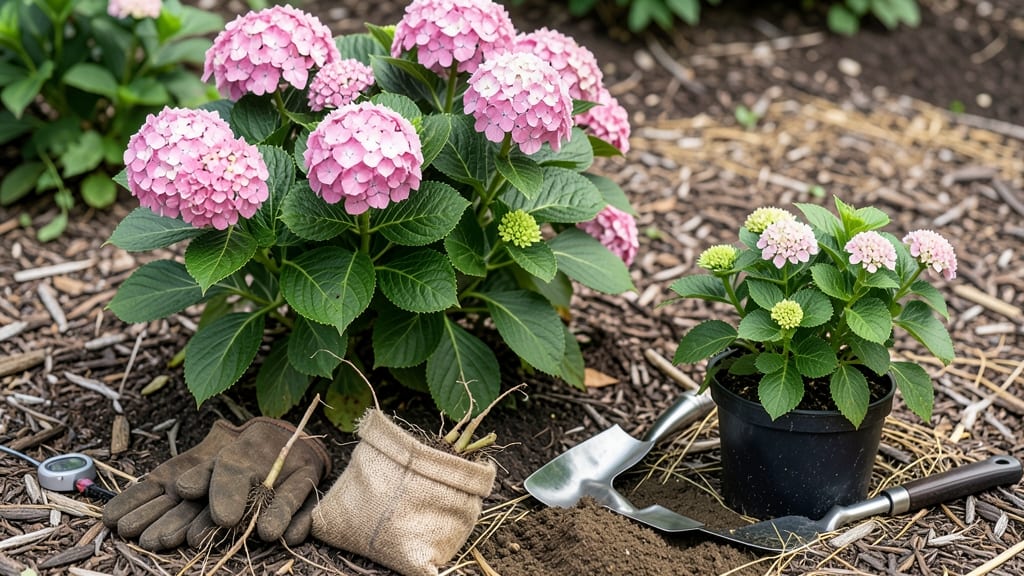
Timing your hydrangea planting in Massachusetts can make the difference between vibrant blooms and a sad, struggling shrub. The frost-free window here is short—get it wrong, and your 🌸 hydrangeas might not survive the first winter.
Most gardeners in zones 5b-6b swear by planting in early spring (April-May) or fall (September-October), but those dates can shift with unpredictable weather. I’ll break down exactly when to dig in—whether you’re planting in-ground or in containers—to give your hydrangeas the best shot at thriving.
You’ll also learn how to prep your soil, spot the perfect planting conditions, and even extend your window if spring arrives late. No more guessing—just science-backed timing for healthy roots and stunning flowers.
Let’s get your hydrangeas in the ground at the ideal moment, so you’re not left scrambling when the first frost hits. Ready to plant with confidence?
Best planting months for hydrangeas in Massachusetts zones 5-7B
Massachusetts gardeners face a tight window to plant hydrangeas successfully. The USDA Zones 5-7B experience last spring frosts between mid-April and early May, while first fall frosts arrive mid-October.
These dates create a 165-day frost-free period—just enough for hydrangeas to establish roots before winter. Missing this window risks frost damage or poor root development.
For spring planting, aim for late April to mid-May when soil temperatures reach 50°F (10°C). This gives roots 6-8 weeks to establish before summer heat. Fall planting should occur 6 weeks before first frost—typically late August to early October—allowing roots to settle before dormancy.
Container-grown hydrangeas offer more flexibility. You can plant them 2-3 weeks earlier in spring (early April) or 1 month later in fall (early November) because their roots are less vulnerable to temperature swings. Bare-root hydrangeas, however, demand stricter timing—spring planting only (April-May).
Massachusetts' Zone 5b (western MA) has the shortest frost-free season, while Zone 7B(southeastern MA) enjoys an extra 2-3 weeks of growing time.
Adjust your planting schedule accordingly—Zone 5b gardeners should prioritize early spring or late summer plantings, while Zone 7B gardeners have more wiggle room for mid-May or early October.
🌱
| Zone | Last Frost Date | Ideal Planting Window | Soil Temp Requirement | Notes |
|---|---|---|---|---|
| 5b (Western MA) | Mid-April | Late April - Early May | 50°F (10°C) | Shortest season; prioritize early spring |
| 6a (Central MA) | Early May | Late April - Mid-May | 50°F (10°C) | Flexible for containers; avoid June heat |
| 7b (Southeast MA) | Late April | Early May - Early June | 50°F (10°C) | Longest season; can plant into early June |
| All Zones (Fall) | Mid-October | Late August - Early October | 55°F (13°C) | Avoid planting after September 20 in Zone 5b |
If you're planting hydrangea macrophylla (like 'Endless Summer'), prioritize spring planting—these varieties bloom on old wood and need established roots to support next year's flowers. Oakleaf hydrangeas (H. quercifolia) are more adaptable and can handle fall planting better due to their hardiness.
Pro tip: Use the "fingertip test" for soil readiness. Stick your finger 2 inches deep—if the soil feels warm and crumbly (not cold or muddy), it's time to plant. In Zone 5b, this usually aligns with late April, while Zone 7B can wait until early May.
For container gardening, extend your window by planting potted hydrangeas as early as early April (with frost protection) or up to early November. Containers warm up faster in spring and retain heat longer in fall, giving you 4-6 extra weeks of planting flexibility compared to in-ground plantings.
Remember: Hydrangeas planted in late May or June may still establish roots but will struggle to bloom the first year. If you miss the ideal window, opt for smaller, potted hydrangeas—their established root systems recover faster than bare-root plants.
🌿
Signs your Massachusetts soil is ready for hydrangeas (and how to prep it)
Hydrangeas thrive when planted in well-prepared soil with the right moisture levels and temperature.
In Massachusetts, where spring can be unpredictable, knowing when your soil is ready is just as critical as picking the right planting window. Cold, soggy soil can stunt root growth, while dry, compacted soil may stress young plants.
Let’s break down the key indicators and steps to get your soil hydrangea-ready.
First, check the soil temperature—hydrangeas need it to be at least 60°F (15°C). Use a soil thermometer to test 6 inches deep. In Massachusetts, this typically aligns with late April to early May in Zone 5 and early April in Zone 6-7B.
If your soil is still chilly, wait a few more weeks or use protective measures like row covers.
Next, assess moisture levels. Stick your finger into the soil—if it feels damp but not soggy, it’s ready. Well-draining soil is a must; hydrangeas hate waterlogged roots. If your yard retains too much moisture, amend it with compost or organic matter to improve drainage.
A quick test: Dig a small hole and fill it with water. If it drains within an hour, your soil is ideal.
| Soil Readiness Check | What to Do |
|---|---|
| Soil temperature ≥ 60°F (15°C) | Plant when stable for 3+ days |
| Damp but not soggy | Add compost if too dry; improve drainage if too wet |
| pH between 5.2-6.0 (acidic) | Test with kit; amend with sulfur or peat moss if needed |
| No visible weeds or pests | Remove weeds; treat soil with neem oil if pests are present |
Don’t overlook pH levels—hydrangeas, especially blue or pink varieties, love acidic soil with a pH of 5.2-6.0. Test your soil using a home pH kit (available at garden centers) or send a sample to the UMass Soil and Plant Nutrient Testing Lab.
If your soil is too alkaline, mix in sulfur or peat moss to lower the pH gradually. Avoid quick fixes like vinegar, which can harm soil microbes.
Before planting, loosen the soil to a depth of 12-18 inches with a garden fork or tiller. This helps roots penetrate easily. Mix in 2-3 inches of compost or well-rotted manure to enrich the soil with nutrients.
For container planting, use a high-quality potting mix blended with perlite for aeration. Hydrangeas in pots dry out faster, so ensure your container has drainage holes.
Finally, mulch around the base of your hydrangea with 2-3 inches of organic mulch, like shredded bark or leaves. Mulching helps retain moisture, regulates soil temperature, and suppresses weeds. Just keep the mulch 2-3 inches away from the stem to prevent rot.
In Massachusetts’ unpredictable climate, this extra layer can make all the difference in your hydrangea’s first growing season.
With your soil prepped and ready, your hydrangeas will have the perfect foundation to thrive. Just remember: patience is key—rushing can lead to weak plants. Give them time to settle in, and you’ll be rewarded with stunning blooms for years to come! 🌸