
Plants
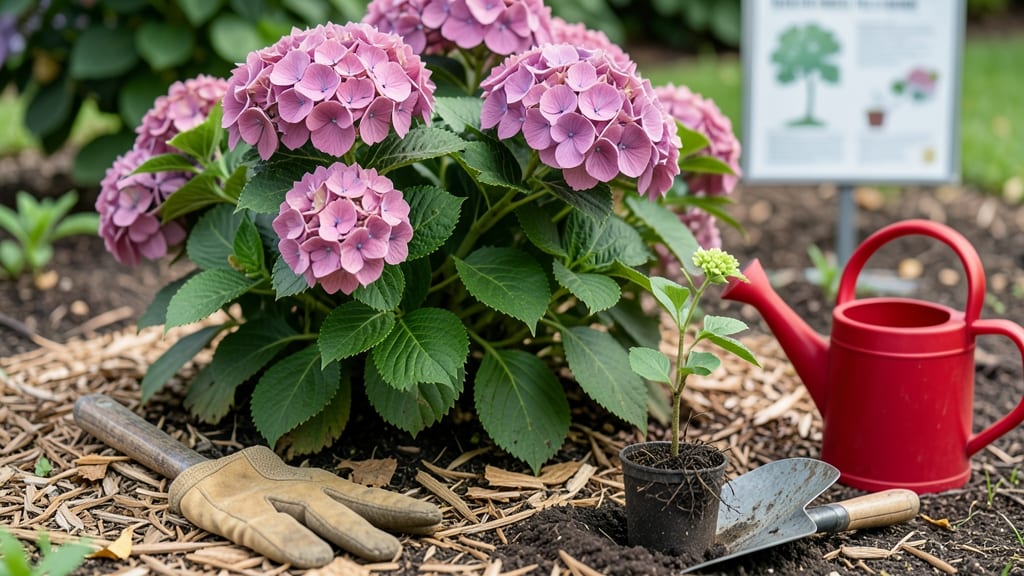
Timing your hydrangea planting in Seattle just right can mean the difference between lush, vibrant blooms and struggling shrubs fighting against the Pacific Northwest’s damp, unpredictable climate.
With USDA Zone 8a conditions and Seattle’s famous rain, getting the window perfect is key to helping your 🌸 hydrangeas thrive from day one.
Most gardeners know spring is ideal, but did you know fall planting actually gives hydrangeas an edge in Seattle’s cooler months? The secret lies in avoiding the last frost around mid-April while also preparing for the first chill in November.
I’ll break down exactly when to plant—whether you’re choosing in-ground or container options—to set your hydrangeas up for success.
What if you missed the prime window? Don’t worry—I’ll share how to adjust for Seattle’s microclimates, from sheltered urban gardens to windy coastal spots. You’ll learn the pro tips that keep hydrangeas blooming beautifully year after year, no matter when you plant.
Ready to transform your garden? Let’s dive into the frost-free timeline and planting strategies that’ll have your hydrangeas looking their best, rain or shine.
Seattle hydrangea planting timeline: best months by variety type
Seattle’s USDA Zone 8a climate gives you two ideal windows to plant hydrangeas: late spring and early fall. The key is avoiding frost dates—typically April 15 for last frost and November 15 for first frost.
Planting outside these dates risks stunted growth or winter damage, especially for tender varieties like bigleaf hydrangeas.
For container-grown hydrangeas, you can plant as late as May 15 or as early as September 15, giving your roots time to establish before winter. Bare-root hydrangeas, however, need the earlier spring window (March–April) to recover from dormancy faster.
Seattle’s cool, wet springs mean soil may stay cold longer, so test soil temperature—aim for at least 60°F before planting.
Here’s how to match your hydrangea variety to Seattle’s planting schedule for maximum blooms:
| Variety | Best Planting Window | Seattle-Specific Notes |
|---|---|---|
| Bigleaf (H. macrophylla) | April–May or September | Needs partial shade; blooms on old wood—prune after flowering. |
| Panicle (H. paniculata) | April–May or late September | Tolerates full sun; blooms on new wood—prune in late winter. |
| Oakleaf (H. quercifolia) | April or early October | Loves morning sun; fall colors are stunning in Seattle’s cool climate. |
| Smooth (H. arborescens) | April–May or September | Best for container gardens; annual blooms on new wood. |
If you’re planting hydrangeas in containers, Seattle’s mild winters let you extend your window slightly. Containers warm up faster in spring, so you can plant bigleaf varieties as late as May 15—just move them indoors if frost threatens.
For in-ground planting, early fall (September) is ideal because cooler temps reduce transplant shock, and roots establish before winter dormancy.
Seattle’s rainy summers (June–August) can stress newly planted hydrangeas, so prioritize well-draining soil and mulch to retain moisture. Amend clay-heavy soil with compost or sand to prevent root rot—a common issue in Seattle’s wet climate. After planting, water deeply twice weekly for the first month to encourage root growth.
For late bloomers like panicle hydrangeas, consider starting with container plants in early spring (March) to give them a head start. These varieties often bloom later in August–September, aligning perfectly with Seattle’s cooler fall weather.
If you’re in a sheltered microclimate (e.g., near the University District or Ballard), you might push planting to early June, but monitor weather forecasts closely.
Pro tip: Acid-loving hydrangeas (like bigleaf) thrive in Seattle’s acidic soil (pH 5.5–6.0), but test your soil first. If it’s alkaline, add sulfur or peat moss to adjust pH before planting. This small step can double your bloom color vibrancy—think blue vs. pink transformations!
Remember, hydrangeas planted in fall benefit from natural winter chilling, which boosts next year’s blooms. Just avoid planting after October 15, as roots won’t have enough time to establish before first frost. With Seattle’s 180 frost-free days, timing is everything for lush, long-lasting hydrangeas.
How to adjust planting time for Seattle’s microclimates (rainy vs. sunny spots)
Seattle’s microclimates can shift planting windows by weeks—especially between rainy coastal areas and sunny urban heat islands. The average last frost date of April 15 is just a starting point.
Coastal gardens near Puget Sound may experience frost 2-3 weeks later due to moderating ocean breezes, while inland spots like Ballard or Fremont can warm up faster. Always test your soil temperature with a soil thermometer—hydrangeas thrive when roots hit 60°F+.
If you’re planting in shaded, sheltered gardens (like those near large trees or buildings), soil warms slower. These spots often need late May planting for bigleaf hydrangeas, which are sensitive to cold.
Conversely, sunny, south-facing yards (common in West Seattle) can support April planting for heat-tolerant varieties like panicle hydrangeas, which handle warmer microclimates better.
🌧️ Rainy Zone Alert: Seattle’s consistent precipitation (35+ inches/year) demands extra caution. Planting in early spring (March-April) risks soggy soil, which can rot roots. Instead, aim for late April to early May when the ground dries slightly.
For fall planting, wait until mid-September to avoid early rains overwhelming new roots.
⚠️ Microclimate Mistakes to Avoid
- Planting too early in cold microclimates → Root rot from cold, wet soil.
- Ignoring wind exposure → Transplant shock in coastal areas.
- Skipping soil tests → pH imbalances (hydrangeas need 5.2–6.0).
🌿 Pro Tip: Use black plastic mulch in spring to warm soil faster in cooler spots.
For container planting (ideal for Seattle’s space constraints), adjust timing by 2 weeks earlier than in-ground plants. Pots dry out faster, so late April is safer for containers.
If you’re in a high-elevation microclimate (like Queen AnneMay 1st—these areas can have late frosts even after the city’s average date.
Extend your planting window with frost cloths or row covers for late spring/early fall plantings. Bigleaf hydrangeas, especially, benefit from 3–4 weeks of protection if planted in October. Monitor the National Weather Service’s Seattle forecast for 10-day outlooks—a cold snap warning should delay planting by 1–2 weeks.
Remember: Oakleaf hydrangeas are the most frost-tolerant and can handle early April planting in sheltered spots, while mophead varieties need warmer soil and should wait until mid-May in exposed areas. Always match your variety to your microclimate for maximum bloom potential.