
Plants
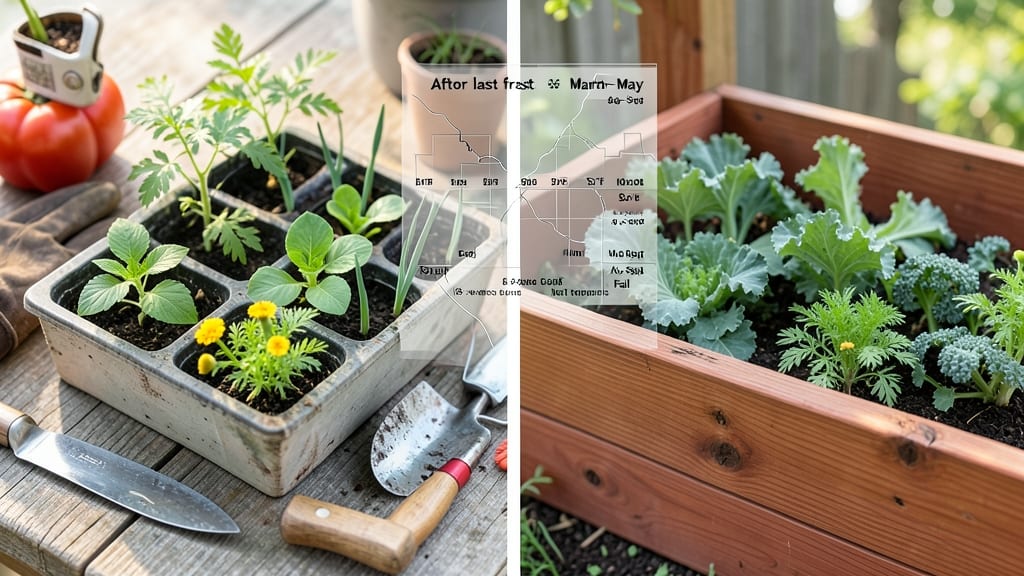
Timing your when to plant in Kansas isn’t just about following a calendar—it’s about outsmarting Mother Nature’s unpredictable mood swings. One week too early, and a late frost could turn your seedlings into sad, wilted memories.
But get those planting dates right, and you’ll be feasting on homegrown tomatoes by July instead of staring at a sad, empty garden bed.
Kansas’ USDA Zones 5b-7a mean your neighbors might be planting peppers while you’re still waiting for the snow to melt. The key? Knowing your last frost date—usually around mid-April—and planning accordingly.
Cool-season crops like lettuce and spinach can handle a chill, but warm-lovers like squash and beans need to wait until the soil is toasty.
I’ve spent years watching Kansas gardens thrive (and fail), and the difference always comes down to timing. Whether you’re a first-year gardener or a seasoned green thumb, this guide will help you sync your planting schedule with Kansas’ quirky climate—so you’re harvesting, not stressing, by summer.
From spring’s earliest starts to fall’s second chance at planting, we’ll break down the best months for every crop, plus how to adjust when Kansas throws a curveball—like a sudden heatwave or a sneaky late freeze. Let’s get those seeds in the ground the smart way.
Kansas frost-free dates by planting Zone: when to start seeds indoors and outdoors
Kansas spans USDA Zones 5b through 7a, meaning frost dates vary dramatically from western plains to eastern forests.
The average last frost date hovers around April 15, but southern Kansas (Zone 7a) can see frost-free conditions by March 20, while northern areas (Zone 5b) may wait until May 1.
These differences mean your tomatoes in Garden City might thrive weeks earlier than those in Topeka.
Understanding your microclimate is key—urban areas like Wichita often warm faster than rural zones due to the heat island effect. Use Kansas State University's frost maps or local weather stations to pinpoint your exact last frost date.
For warm-season crops like peppers and beans, wait until soil temperatures reach 60°F, which typically aligns with two weeks after your last frost.
Starting seeds indoors gives you a head start, especially for cool-season crops like lettuce and spinach. Begin these 4-6 weeks before your last frost date, while warm-season crops like squash and corn can start indoors 3-4 weeks before transplanting after frost.
Use a seedling heat mat to speed up germination in cooler zones.
Here’s how Kansas’ three main regions differ in planting windows:
| Region | USDA Zone | Avg. Last Frost | Avg. First Frost | Frost-Free Days |
|---|---|---|---|---|
| Western Kansas (e.g., Garden City) | Zone 6b-7a | March 20 - April 5 | October 10 - 20 | 190-210 |
| Central Kansas (e.g., Wichita, Salina) | Zone 6a-6b | April 1 - 15 | October 15 - 25 | 170-190 |
| Eastern Kansas (e.g., Topeka, Kansas City) | Zone 5b-6a | April 15 - May 1 | October 25 - November 5 | 150-170 |
Note: Microclimates (e.g., valleys, urban areas) can shift frost dates by 1-2 weeks.
For cool-season crops, like broccoli and peas, plant 4-6 weeks before your last frost. These thrive in 50-65°F soil and can tolerate light frosts. In Zone 5b, this means starting seeds indoors by late February or direct-sowing in early March.
Meanwhile, warm-season crops like tomatoes and peppers need soil temps above 60°F, so hold off until after May 1 in most of Kansas.
Southern Kansas gardeners in Zone 7a enjoy a longer growing season, allowing for two full harvests of warm-season crops. Plant early varieties of corn or squash by April 15 and succession plant every 2-3 weeks until June 15 to extend harvests.
Northern zones, however, may only fit one main crop of warm-season plants, so choose fast-maturing varieties like 'Early Girl' tomatoes or 'Straight Eight' corn.
Don’t overlook fall planting—Kansas’ second growing season runs from mid-July to first frost. Cool-season crops like kale, spinach, and radishes can be sown 6-8 weeks before your first frost.
In Zone 6b, this means late July to early August plantings. Use row covers to protect tender seedlings from early autumn frosts.
Pro tip: Monitor soil temperature with a soil thermometer—it’s more reliable than air temperature. Aim for 60°F for warm-season crops and 50°F for cool-season crops. If your soil is too cold, seeds may rot or fail to germinate.
In western Kansas, where soils warm faster, you can plant earlier than eastern zones.
Finally, account for heat zones. Southern Kansas (Zone 7a) has more than 5,000 heating degree days, while northern areas (Zone 5b) have under 4,000. This affects heat-loving plants like okra and sweet potatoes, which thrive in southern Kansas but struggle in
Best planting schedule for Kansas crops: month-by-month guide for vegetables, flowers, and herbs
Now that you’ve mastered Kansas’ frost-free dates, let’s dive into the month-by-month planting schedule that’ll keep your garden thriving. The key? Succession planting—staggering crops so you’re never without fresh harvests.
In Kansas, this means planning for two major planting seasons: spring (March-May) and fall (August-October), with a few hardy crops sneaking in during summer.
For cool-season crops like lettuce, spinach, and peas, start seeds indoors 4-6 weeks before your last frost date (usually mid-April). These plants can handle light frosts and even thrive in 50°F soil temperatures.
Meanwhile, warm-season lovers like tomatoes, peppers, and squash need to wait until the soil warms to at least 60°F—typically late April to early May in most of Kansas.
Here’s your month-by-month Kansas planting calendar, broken down by crop type and region (eastern vs. western Kansas, where frost dates can vary by 1-2 weeks). Pro tip: Use row covers to extend early spring planting or protect late fall crops from unexpected chills.
Kansas’ microclimates can throw off these timelines—urban areas (like Wichita or Kansas City) often warm up faster than rural spots, while western Kansas (e.g., Garden City) may need to wait an extra week for soil to warm. Always check soil temperature with a probe before planting warm-season crops.
For flowers and herbs, most annuals (like marigolds, zinnias, and basil) follow warm-season planting rules, while perennials (like lavender or thyme) can be planted in early spring or fall.
Pro tip: Herbs like cilantro and dill bolt quickly in Kansas’ heat—sow them in early spring or late summer for best results.
Finally, don’t forget succession planting—it’s your secret weapon against garden gaps. For example, sow bush beans every 2 weeks from May to July to ensure a steady supply. With this schedule, you’ll have homegrown food from April to October—and maybe even a few surprises