
Plants
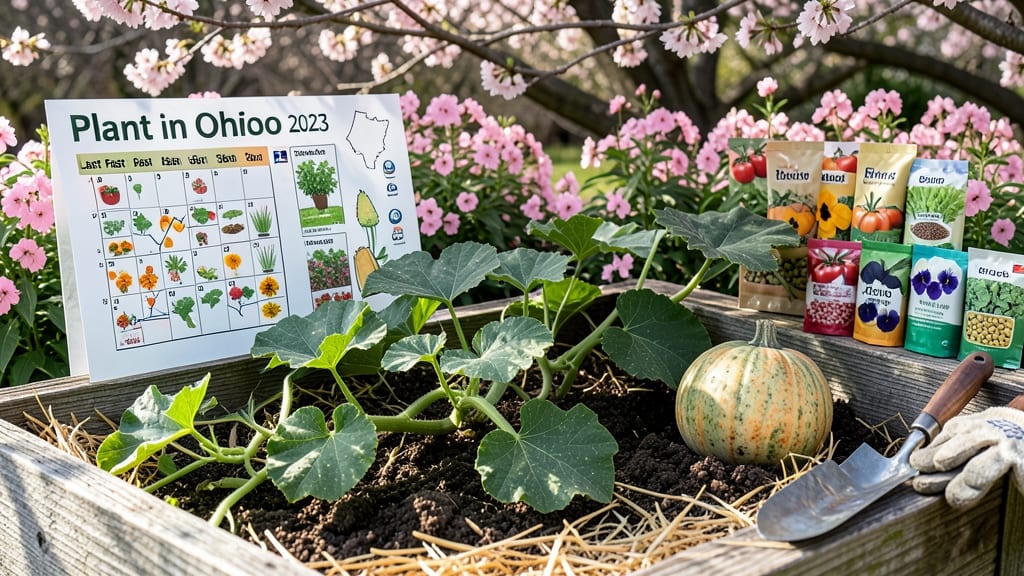
Timing your Ohio 2023 planting right means the difference between a thriving garden and wasted effort. Whether you're growing tomatoes, lettuce, or herbs, getting the dates wrong can leave your 🌱 struggling or your harvest delayed.
The last frost in Ohio's 6a-6b zones typically arrives between mid-April and early May, but that varies dramatically by county.
I've spent years watching Ohio gardens bloom—and wither—based on planting schedules, and the most common mistake is assuming "spring" means the same thing everywhere in the state.
Toledo's last frost might be weeks earlier than Columbus's, and that shift can mean the difference between a bountiful harvest and a sad, frost-bitten disappointment.
In this guide, I'll break down the exact county-by-county frost dates you need to know, so you can plant cool-season crops like spinach and peas at the perfect time—and get your tomatoes, peppers, and cucumbers in the ground just after the last frost. No more guessing, no more wasted seeds.
You'll also discover how to adjust for microclimates, extend your growing season with row covers, and avoid the biggest planting mistakes Ohio gardeners make every year. Let's get your garden calendar dialed in for 2023 success.
Ohio 2023 last-frost dates by county: key planting windows
Ohio’s last-frost dates vary dramatically across its 88 counties, creating a 3-4 week window between the earliest (southern regions) and latest (northern areas). For example, Toledo typically sees its last frost by April 5th, while Cleveland often waits until April 15th.
These differences mean tomato plants in Columbus (last frost: April 10th) can go in the ground 2 weeks earlier than in Youngstown (last frost: April 25th).
Understanding these regional variations helps you avoid frost damage to warm-season crops like peppers and cucumbers. Meanwhile, cool-season crops such as spinach and kale can handle light frosts and should be planted 4-6 weeks before your area’s last frost date.
For instance, Cincinnati gardeners can start broccoli as early as March 15th, while Akron waits until April 1st.
🌱
| Region | Last Frost Date (Avg.) | Cool-Season Planting Window | Warm-Season Planting Window | Example Crops |
|---|---|---|---|---|
| Southwest (Toledo, Lima) | April 5th | March 1st (4-6 weeks before) | April 20th (2-3 weeks after) | Spinach, Peppers |
| Central (Columbus, Dayton) | April 10th | March 15th | April 25th | Lettuce, Tomatoes |
| Northeast (Cleveland, Akron) | April 15th | March 20th | May 1st | Kale, Cucumbers |
| Northwest (Toledo, Findlay) | April 5th | March 1st | April 20th | Broccoli, Eggplant |
| Southeast (Athens, Chillicothe) | April 8th | March 10th | April 22nd | Peas, Basil |
Note: Use your county’s last-frost date as a guide—check local weather forecasts for adjustments.
Southern Ohio counties like Lawrenceburg and Chillicothe often enjoy earlier last-frost dates (around April 8th), allowing gardeners to plant warm-season crops like tomatoes and peppers as early as April 22nd.
In contrast, northwest Ohio, including Defiance and Fulton counties, may not see their last frost until April 12th, delaying warm-season planting until May 1st.
For urban gardeners in cities like Cincinnati or Columbus, microclimates can shift planting windows by 1-2 weeks. South-facing gardens or rooftop plots may warm up faster, while shaded areas might need row covers to protect young plants.
Always monitor soil temperatures—warm-season crops thrive when soil reaches 60°F+, which typically happens 1-2 weeks after the last frost.
If you’re unsure about your county’s exact last-frost date, use the National Weather Service or Old Farmer’s Almanac as references. For Ohio State University Extension, their local county offices provide hyper-local advice, including first-frost dates for fall planting (usually October 15th–25th).
Planning for both spring and fall windows ensures you can grow two full harvests of cool-season crops like lettuce and carrots.
Pro tip: Hardened seedlings (like tomato or pepper starts) can tolerate light frosts if covered with frost cloth. This gives you a 1-week buffer to plant after the official last-frost date if your seedlings are robust. Just remove the cloth during the day to avoid heat stress.
Don’t overlook fall planting—Ohio’s first-frost dates range from October 10th in southern regions to October 25th in the north. This means you can sow spinach or radishes as late as September 1st in Toledo or September 15th in Cleveland for a winter harvest before snow flies.
For container gardening, warm soil in pots heats up faster than ground soil, so you can plant warm-season crops 1 week earlier in containers. Just ensure pots have
How to use frost dates to plan your Ohio garden calendar
Understanding Ohio’s last-frost dates is just the first step—knowing how to apply that knowledge transforms your garden from guesswork to a thriving harvest. The key is separating your plants into two groups: cool-season crops (like lettuce and peas) and warm-season crops (like tomatoes and peppers).
Each has its own ideal planting window relative to frost dates.
For cool-season crops, start seeds indoors 4-6 weeks before your area’s last frost date. This gives them a head start, and you can transplant them outdoors as soon as the ground thaws.
In southern Ohio, this might mean planting spinach in early March, while northern Ohio gardeners should wait until late March or early April.
Warm-season crops, however, are frost-sensitive. Wait until 2-3 weeks after your last frost date to plant them outdoors. If you’re eager to get a jump start, begin seeds indoors 6-8 weeks before the last frost.
For example, in Columbus (USDA Zone 6a), that means starting tomato seeds indoors in early March and transplanting them after April 15.
🌱 Step-by-Step Ohio Garden Calendar
- February-March: Start cool-season seeds indoors (e.g., broccoli, kale).
- March-April: Direct-sow hardy crops (e.g., peas, radishes) after soil warms to 40°F.
- April-May: Transplant cool-season starts outdoors (e.g., lettuce, onions) 2 weeks before last frost.
- May-June: Plant warm-season crops (e.g., tomatoes, peppers) after last frost and when soil is 60°F+.
- July-August: Succession plant heat-loving crops (e.g., beans, cucumbers) every 2-3 weeks.
Don’t forget about fall planting! Many cool-season crops thrive in Ohio’s mild autumn. Aim to plant them 6-8 weeks before your first frost date. For instance, in Toledo (Zone 6a), that means sowing carrots and beets by early September.
Use a row cover to extend the season further and protect tender plants from early frosts.
Microclimates play a huge role in Ohio’s diverse geography. Urban areas like Cincinnati often experience heat islands, allowing you to plant warm-season crops slightly earlier. Meanwhile, rural areas in northeastern Ohio may have later frost dates. Observe your garden’s unique conditions—like sun exposure or wind patterns—to fine-tune your schedule.
Pro tip: Mark your calendar with local frost alerts from sources like the Old Farmer’s Almanac or your county extension office. Adjust your planting dates if an unexpected late frost is forecasted. With this strategy, you’ll avoid common pitfalls and enjoy a longer, more productive growing season. 🌿