
Lawn
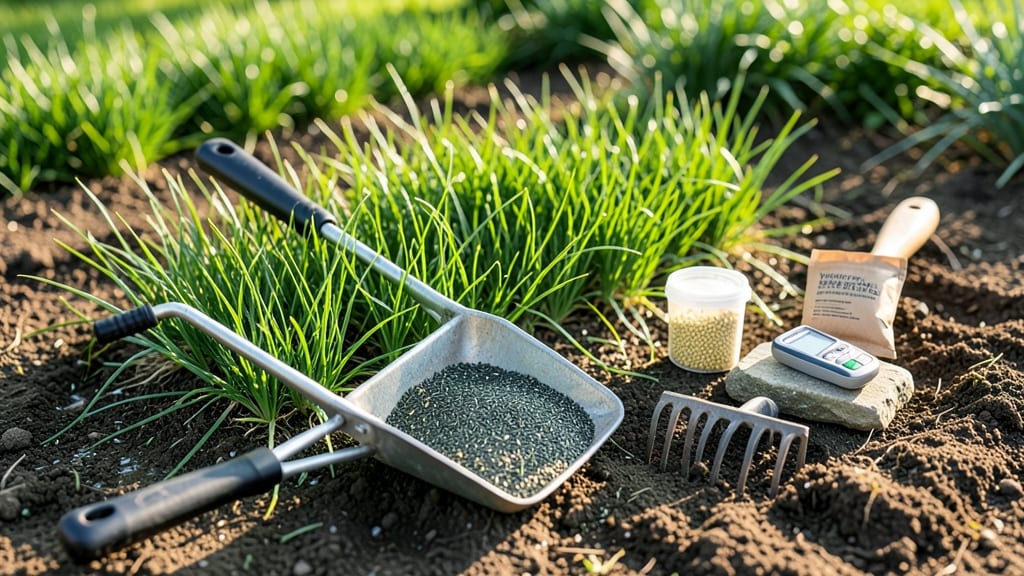
Timing your grass seed planting in Virginia’s spring can make or break your lawn’s success—especially when dealing with the state’s unpredictable weather shifts from the coast to the mountains.
Whether you're in the 6a-8a zones or somewhere in between, getting those seeds in the ground at the right moment means the difference between a lush, green carpet and frustrating bare patches.
I’ve seen firsthand how a single week too early or late can throw off germination, especially when Virginia’s soil temperatures fluctuate between 55°F and 65°F—the sweet spot for grass to take root. The key isn’t just picking a month; it’s reading your local microclimate.
Coastal areas like Norfolk can plant as early as late February, while the Shenandoah Valley might need to wait until mid-April to avoid frost damage.
In this guide, I’ll break down the exact windows for planting 🌱 grass seed in Virginia, from soil prep to watering hacks that work for clay-heavy soils. You’ll learn how to time it perfectly for your zone, whether you’re a first-timer or a seasoned gardener looking to refine your approach.
Let’s get your lawn off to the best possible start—because the right timing isn’t just about patience; it’s about strategy.
Best spring planting windows for Virginia grass seed by USDA hardiness zones
Virginia’s diverse climate—from the humid coastal plains to the cooler mountain regions—means there’s no single "best" time to plant grass seed in spring. Instead, your USDA hardiness zone (ranging from 5b in the mountains to 8a along the coast) dictates the ideal window.
For most of Virginia, the optimal planting window falls between mid-March and early May, but timing shifts depending on your location.
In coastal Virginia (zones 7b-8a), like Norfolk and Virginia Beach, you can start as early as late February when soil temperatures consistently reach 55°F. Meanwhile, in the Piedmont (zones 6b-7a), such as Richmond or Charlottesville, aim for mid-to-late March to avoid late frosts.
Mountain regions (zones 5b-6a), like Roanoke or Blacksburg, should wait until early April when the risk of frost has passed.
Here’s the key rule: Plant when soil temps are between 55°F and 65°F. A soil thermometer is your best friend—if it’s cooler, seeds may rot; if it’s hotter, they’ll dry out before sprouting.
Most Virginia gardeners find success by planting 4-6 weeks before the last frost date, which typically lands in mid-to-late March for most areas.
For example, if you’re in Northern Virginia (zone 7a), like Arlington or Fairfax, your sweet spot is early April. But if you’re in Southwest Virginia (zone 6a), like Bristol, hold off until late April.
This timing ensures your grass seed germinates in warm, stable soil without competing with winter weeds or facing late-season drought.
🌱 Virginia Grass Seed Planting Timeline by USDA Zone
| USDA Zone | Region Examples | Best Planting Window | Soil Temp Threshold | Key Consideration |
|---|---|---|---|---|
| 5b-6a | Roanoke, Blacksburg, Bristol | Late April - Early May | 55°F+ (consistent) | Late frosts common |
| 6b-7a | Richmond, Charlottesville, Lynchburg | Mid-to-late March | 55°F+ (consistent) | Moderate frost risk |
| 7b-8a | Norfolk, Virginia Beach, Hampton | Late February - Early April | 55°F+ (consistent) | Humid, earlier last frost |
🌡️ Pro Tip: Use a soil thermometer to confirm temps—don’t guess! Seeds need warmth to sprout.
While spring planting is ideal, Virginia gardeners often ask about fall planting too. If you miss spring, September to early October is your next best chance—especially in zones 6a and below.
Fall planting gives seeds time to establish roots before winter, but spring is generally easier for beginners because of milder conditions.
One common mistake is planting too early in hopes of a head start. If you sow grass seed in February in the mountains or January in coastal areas, cold soil and frost will kill your seeds before they sprout.
Always wait until the soil is workable (not muddy) and the air temperature stays above 40°F at night.
For cool-season grasses like tall fescue or Kentucky bluegrass (the most common choices in Virginia), spring planting is perfect.
These grasses thrive in Virginia’s climate and establish quickly with the right timing. Warm-season grasses like Bermuda or Zoysia are better suited for late spring to early summer planting, but they’re less common in Virginia’s lawns.
If you’re unsure about your zone, check the USDA Plant Hardiness Zone Map or use your ZIP code in tools like the Virginia Cooperative Extension’s lawn calculator.
Local garden centers can also provide tailored advice based on your specific microclimate—whether you’re in a shady valley or a sunny coastal plain.
Remember, the goal is to give your grass seed 4-6 weeks of warm soil before summer heat sets in. In Virginia, that means planting by early May at the latest for most regions. Don’t wait until June—by then, the heat and drought stress can stunt germination.
How Virginia’s microclimates affect grass seed success rates
Virginia’s geography creates dramatic differences in spring planting success—what works in coastal Norfolk might fail in the Shenandoah Valley. The Tidewater region (USDA Zone 8a) enjoys milder winters and earlier springs, while the Blue Ridge Mountains (Zone 6a) often wait until late April.
These variations impact soil warmth, rainfall patterns, and even weed competition.
Coastal areas like Virginia Beach can start seeding as early as late February when soil temps hit 55°F. Meanwhile, inland Piedmont regions (Zone 7a) typically wait until mid-to-late March to avoid late frosts that can kill tender seedlings.
The humidity differences also play a role—coastal areas benefit from consistent moisture, while western Virginia often needs supplemental irrigation.
Elevation changes everything in the Blue Ridge Mountains. At 2,000+ feet, spring arrives 2-3 weeks later than at sea level. This delay means late April planting is ideal there, while Tidewater gardeners might finish by early April.
The rainfall gradient also shifts: eastern Virginia gets 40-50 inches annually, while the western slopes see 30-40 inches, requiring careful water management.
| Region | USDA Zone | Best Planting Window | Key Challenge | Success Tip |
|---|---|---|---|---|
| Tidewater (Norfolk, Virginia Beach) | 8a | Late Feb - Early April | Salt air corrosion | Use salt-tolerant varieties |
| Piedmont (Richmond, Charlottesville) | 7a-7b | Mid-March - Late April | Clay-heavy soil | Add compost before planting |
| Blue Ridge (Roanoke, Blacksburg) | 6a-6b | Late April - Early May | Late frosts | Use frost cloth for protection |
| Valley (Harrisonburg, Staunton) | 6a | Late April - Early May | Dry winds | Mulch with straw after planting |
Understanding these regional patterns helps you avoid common pitfalls. For example, coastal gardeners should test soil pH more frequently due to saltwater influence, while mountain regions need to monitor for soil erosion during heavy spring rains.
The humidity contrast also affects disease risk—coastal areas battle fungal issues more than drier inland zones.
One of my biggest lessons came from planting tall fescue in both Norfolk and Roanoke the same week. While the Norfolk lawn thrived, the Roanoke seeds struggled until I adjusted for the 2-week delay and added extra mulch protection.
This regional awareness can save you weeks of frustration and hundreds in reseeding costs.
To adapt your planting schedule, check your local USDA Plant Hardiness Zone Map and add 1-2 weeks for every 500 feet in elevation. For real-time updates, follow Virginia Cooperative Extension alerts on soil temperatures and rainfall forecasts.
With these adjustments, you’ll match your planting timeline to your local microclimate—not a one-size-fits-all calendar.