
Plants
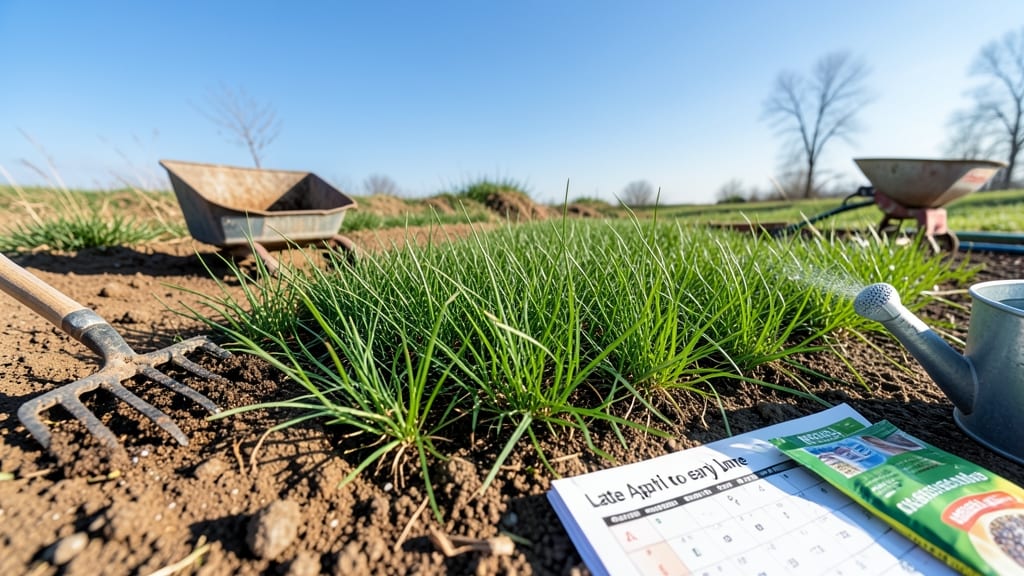
Timing your grass seed planting in spring Michigan wrong could mean the difference between a lush, green lawn and a patchy, weed-infested mess. Michigan’s 5b-6b climate throws curveballs with unpredictable frost and soil temperatures, but getting it right ensures your lawn thrives by summer.
Most gardeners in Michigan wait until after the last frost—usually mid-April—but soil warmth is the real game-changer. Planting when temperatures hit 50–60°F gives seeds the best shot at sprouting strong roots before summer heat sets in.
Don’t just guess—check local frost dates and soil temps to avoid common mistakes like seeding too early (and risking frost damage) or too late (and letting weeds steal the show).
I’ll walk you through the exact steps to prep your soil, pick the right seed, and keep your new grass thriving.
Ready to turn your lawn into the envy of the neighborhood? Let’s dive into the perfect planting window and care tips tailored for Michigan’s climate.
Michigan’s ideal spring grass-seeding timeline by soil temperature & frost dates
Timing your grass seed planting in Michigan’s spring is all about balancing soil warmth and frost risk. The sweet spot is when daytime temperatures consistently stay above 50°F and nighttime lows hover around 40°F.
This usually falls between mid-April and early June, but exact dates vary by region—Southern Michigan can plant 2-3 weeks earlier than Northern Michigan. Always check your local last frost date (typically late April to early May) to avoid killing tender seedlings.
For the most accurate timing, monitor soil temperature at a depth of 2 inches. Grass seeds germinate best when soil reaches 50–60°F. Use a soil thermometer or check your local Michigan State University Extension frost maps for real-time updates.
Pro tip: If your soil is still cold, wait—rushing leads to poor germination and weak grass.
Lower Michigan (like Detroit or Ann Arbor) often sees its last frost by mid-April, while Upper Michigan (Traverse City or Marquette) may wait until early May. Planting too early in colder regions risks frost damage, while waiting too long lets weeds steal your lawn’s spotlight.
Aim for April 15–May 15 as a general rule, but adjust based on your microclimate.
Here’s how to verify your lawn is ready: Press your hand into the soil—if it feels cool but not icy, and you can easily push a trowel in without resistance, the ground is primed.
Pair this with clear skies and warm forecasts for the next 10 days, and you’re golden. Skipping this step is how patchy lawns happen.
🌱
Michigan Grass-Seeding Timeline by Region
| Region | Last Frost Date | Ideal Planting Window | Soil Temp Threshold | Key Prep Step |
|---|---|---|---|---|
| Southern Michigan (Detroit, Lansing) | Late April | April 15–May 10 | 50–60°F | Test soil pH (aim for 6.0–7.0) |
| Central Michigan (Grand Rapids, Kalamazoo) | Early May | April 25–May 15 | 50–60°F | Rake old grass/clippings |
| Northern Michigan (Traverse City, Marquette) | Early May | May 1–May 20 | 55–65°F | Use frost blankets if nights dip below 35°F |
🌡️ Pro Tip: Use a soil thermometer for 3 consecutive days to confirm warmth.
Once you’ve nailed the timing, focus on preparation. Clear debris, loosen compacted soil with a rake, and level any low spots. Spread a starter fertilizer (like 30-0-4 NPK) to give seedlings a nutrient boost.
For large areas, use a drop spreader for even coverage—uneven seeding leads to thin patches that weeds love.
After planting, keep soil moist but not soggy. Water lightly twice daily (morning and evening) for the first week to encourage germination. Once seedlings reach 2–3 inches tall, switch to deep watering 2–3 times per week. This routine builds drought-resistant roots and outcompetes weeds.
Remember, Michigan’s spring is unpredictable. If a late frost warning pops up, cover new seed with a lightweight frost blanket or old towels. With the right timing and care, you’ll have a thick, green lawn by summer—no more bare spots or weed battles!
☀️
Michigan’s ideal spring grass-seeding timeline by soil temperature & frost dates
Timing your grass seed planting in Michigan’s spring is all about balancing soil warmth and frost risk. The sweet spot arrives when daytime temperatures consistently hit 50–60°F and nighttime lows stay above 35°F.
This usually falls between mid-April and early June, but exact dates vary by region—Upper Michigan’s cooler climate lags behind Lower Michigan by 1–2 weeks. Always check your last frost date (typically mid-April in southern Michigan, early May in the north) to avoid frost damage.
To nail the perfect window, use a soil thermometer—plant when soil temps reach 50°F at 2 inches deep. This ensures seeds germinate quickly without risking frost kill. Pro tip: Monitor local weather forecasts for 5-day forecasts to predict stable conditions.
For example, if your area has 3 consecutive nights above 40°F, it’s likely safe to seed.
Here’s a quick region-by-region breakdown of Michigan’s ideal planting windows, based on USDA zones 5b–6b:
| Region | Ideal Planting Window | Soil Temp Threshold | Last Frost Date |
|---|---|---|---|
| Southern Michigan (e.g., Detroit, Kalamazoo) | Mid-April to early May | 50–55°F | Late March–early April |
| Central Michigan (e.g., Lansing, Grand Rapids) | Late April to mid-May | 50–55°F | Early April–mid-April |
| Northern Michigan (e.g., Traverse City, Marquette) | Early May to early June | 55–60°F | Mid-April–early May |
If you miss spring, don’t despair—fall seeding (September) is almost as effective. Just aim to plant 6–8 weeks before first frost (typically mid-September in southern Michigan, early October in the north).
Fall seeds establish roots before winter, giving you a head start in spring. For spring planting, prioritize cool-season grasses like Kentucky Bluegrass or Tall Fescue, which thrive in Michigan’s climate.
Before seeding, prep your soil by raking out debris and loosening compacted areas to a depth of 3–4 inches. Add a starter fertilizer (high in phosphorus) to encourage root growth, and water lightly to settle the seed into the soil.
Avoid heavy foot traffic for 2–3 weeks to prevent seed displacement. Consistency is key—daily watering for the first 10–14 days keeps seeds moist and speeds up germination.
Keep an eye on weather patterns in the days leading up to planting. If a cold snap is forecasted, delay seeding until temperatures stabilize. Use a frost blanket or row cover if you must plant early, but remove it during the day to avoid overheating.
With the right timing and care, your Michigan lawn will be thick and vibrant by summer.