
Plants
If you’ve ever planted iris bulbs 🌸 in Canada only to watch them wither under early frost or struggle to bloom, you’re not alone—timing is everything.
The difference between vibrant spring blooms and wasted effort often comes down to knowing exactly when to tuck those rhizomes into the soil, especially across Canada’s diverse zones 3a-9b.
Most gardeners assume fall is the only option, but the truth is more nuanced. Whether you’re in Vancouver, Toronto, or Calgary, the ideal window stretches from late summer through early fall—August to September—when soil temperatures stay warm enough to encourage root growth before winter sets in.
This isn’t just guesswork; it’s about avoiding the three biggest mistakes that kill iris success.
I’ve spent years testing what works in Canadian climates, and the secret lies in soil temperature checks, frost risk maps, and even container-growing hacks for urban gardeners.
By the end of this guide, you’ll know not just when to plant, but how to adjust for your specific zone—so your irises thrive year after year.
Ready to transform your garden? Let’s break down the exact months, soil prep tricks, and frost-proof strategies that’ll have your irises blooming brighter than ever. No more second-guessing—just confident planting.
Canada’s best iris planting zones & exact months to plant
Canada’s climate varies dramatically from Zone 3 in the far north to Zone 9 in southern British Columbia, which means iris planting timing shifts by 3 months across the country. The golden rule? Plant iris rhizomes 6 weeks before first frost—this gives roots time to establish before winter dormancy.
In Zone 3 (e.g., Winnipeg), that’s mid-August, while in Zone 9 (e.g., Vancouver), you can plant until early October.
Most Canadian gardeners aim for late summer to early fall (August–September) because soil is still warm enough to encourage root growth, yet cool enough to prevent early sprouting. Spring planting is riskier unless you’re in Zone 8 or 9, where late frosts are rare.
For example, Toronto’s Zone 6 gardeners should plant by September 15 to avoid frost damage, while Calgary’s Zone 4 gardeners must finish by August 20.
Here’s the key: Soil temperature matters more than calendar dates. Iris rhizomes need soil at least 10°C (50°F) to root successfully. Use a soil thermometer in your garden—if it’s cooler than that, wait.
In cooler zones like Zone 3, even August soil may still be chilly, so consider container growing to control warmth.
🌸
If you’re in Zone 3 or 4, focus on early August planting—this gives rhizomes 8–10 weeks to root before winter. In Zone 5–6, you have more flexibility, but avoid planting after mid-October, as new growth may not harden off before frost.
For Zone 7–9, late fall planting (November) is possible, but prioritize well-draining soil to prevent rot in winter rains.
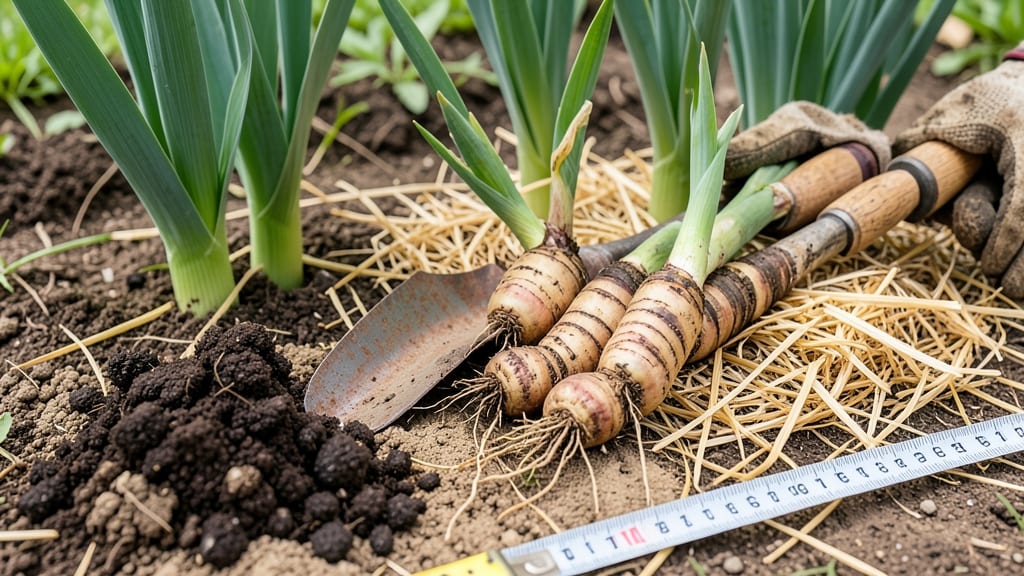
Pro tip: Use mulch (straw or shredded leaves) after planting to insulate roots. In Zone 3–5, add a 4-inch layer; in warmer zones, 2 inches suffices. This mimics natural forest conditions where irises thrive. Mulch also suppresses weeds, reducing competition for nutrients during the critical root-establishment phase.
For container gardeners, timing shifts slightly. Since pots warm up faster in sun, you can plant 2–3 weeks later than ground planting in
Signs your iris bulbs are ready to plant (and 3 mistakes to avoid)
Before digging into your garden, check if your iris rhizomes are truly ready for planting. Freshly harvested bulbs should feel firm and plump—not soft or shriveled. Run your thumb over the surface: a slightly rough texture means they’re mature, while smooth or glossy rhizomes need more time to cure.
Next, inspect the root growth. Healthy rhizomes will have 1-2 inch roots sprouting from the base. If roots are sparse or mushy, delay planting until they’ve had more time to develop. Remember, overly long roots (3+ inches) can break during transplanting, so handle gently.
Soil temperature is critical—wait until soil reaches 55°F (13°C) at least 6 inches deep. Use a soil thermometer to check, especially in cooler zones like Vancouver (Zone 7) or Calgary (Zone 3). Planting too early in cold soil risks rot from excess moisture.
⚠️ CALLOUT WARNING
- Planting too deep (4+ inches) suffocates rhizomes—keep top 1/3 exposed.
- Ignoring soil drainage leads to rot; amend clay soil with sand or grit.
- Skipping fall mulch in Zone 4-6 exposes rhizomes to winter freeze.
Timing matters just as much as technique. In Toronto (Zone 6), aim for mid-August to early September, while Montreal (Zone 4) gardeners should wait until late August to avoid early frosts. Pro tip: Plant in late afternoon to reduce stress from transplant shock.
For container growers, use well-draining pots with sand-perlite mixes. Water thoroughly after planting, then reduce to every 10-14 days—overwatering is the #1 killer of potted iris. Place containers in full sun (6+ hours) to mimic outdoor conditions.
Finally, avoid fertilizing at planting. Iris rhizomes need 6-8 weeks to establish roots before benefiting from nutrients. Wait until early spring (April-May) to apply a balanced 5-10-10 fertilizer to encourage blooms.