
Plants
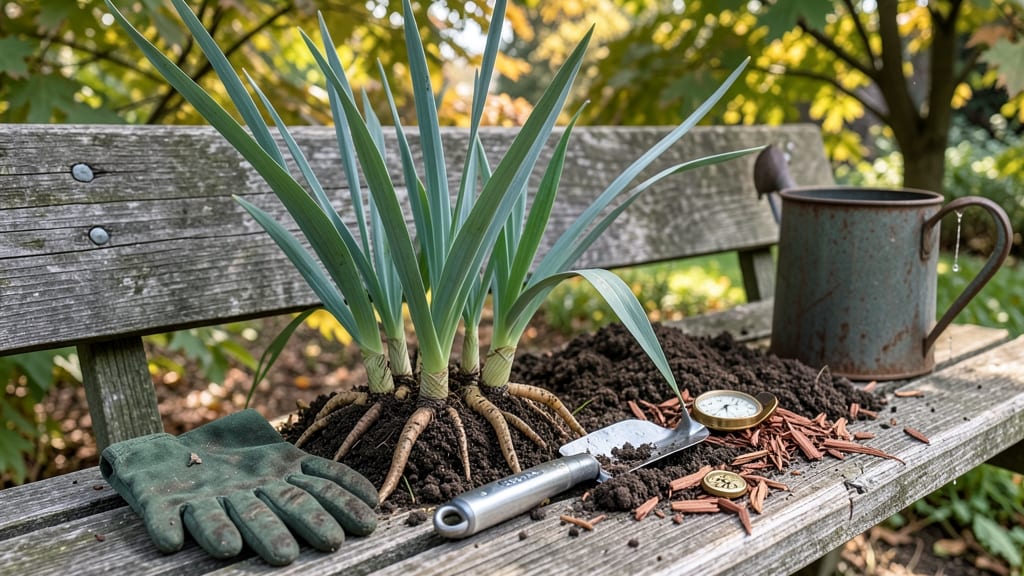
Timing your iris bulb planting in Zone 4 can mean the difference between stunning 🌸 blooms next spring and wasted effort.
The ideal window—late summer to early fall—gives these hardy plants just enough time to root before winter sets in, but get it wrong, and you risk rot or stunted growth.
I’ve learned the hard way that rushing iris bulbs into cold soil or waiting too long can derail even the most careful gardener.
Whether you’re a first-timer or a seasoned Zone 4 gardener, knowing the exact 6-week window (typically late September to mid-November) and adjusting for your local frost dates is key to success.
In this guide, I’ll break down the perfect planting schedule for your region, including soil prep tips and post-planting care to ensure your irises thrive. No more guessing—just reliable, frost-proof results for your garden.
Ready to set your irises up for a show-stopping spring display? Let’s dive into the timing secrets that’ll make all the difference.
Optimal fall planting window for Zone 4 iris bulbs (with exact dates)
Iris rhizomes thrive in Zone 4 when planted during a precise 6-week window—typically from late September to mid-November. This timing ensures roots establish before winter dormancy while avoiding the risks of frozen soil or early frost.
The key is planting when soil temperatures drop to between 40-50°F, signaling the iris to prepare for winter.
For most of Zone 4, aim to plant between September 20th and October 15th.
However, gardeners in northern Zone 4 (4a) may need to start as early as September 1st to avoid early frosts, while those in southern Zone 4 (4b) can extend planting until November 1st in sheltered microclimates.
Iris rhizomes are not true bulbs—they’re thick, fleshy roots that store nutrients. Planting them too early (before 60°F soil) risks rot, while waiting too late (after 40°F soil) stunts root growth. The ideal window balances these extremes for robust blooms next spring.
🌱
Zone 4 Iris Planting Timeline
| Stage | Action | Soil Temp | Notes |
|---|---|---|---|
| Late August | Prep soil (amend with compost) | 60-70°F | Loosen soil to 12" depth |
| Late Sept | Plant rhizomes (bare-root) | 50-60°F | Top visible above soil |
| Mid-Oct | Mulch lightly (1-2 inches) | 40-50°F | Use straw, not leaves |
| Nov 15 | Final watering before frost | <32°F | Deep soak only |
Check your local first frost date (typically September 15th in Zone 4) and plant 4-6 weeks before this date. For example, if frost arrives October 1st, aim to finish planting by September 15th. This gives rhizomes 4-6 weeks to root before dormancy.
In northern Zone 4, where frosts can arrive as early as September 1st, prioritize late August planting for high-altitude areas. Conversely, southern Zone 4 gardeners can extend planting until November 1st in protected beds, especially near south-facing walls.
Use a soil thermometer to confirm temperatures—50°F is the upper limit for safe planting. If soil is warmer, wait 1-2 weeks or plant in shaded beds to cool the soil faster. Overheated soil accelerates rhizome decomposition.
Pro tip: Plant iris rhizomes in full sun (6+ hours daily) for strongest blooms. In Zone 4, this means choosing south-facing beds where snowmelt and spring sun accelerate early growth. Avoid low-lying areas where cold air pools.
After planting, water deeply but reduce frequency as winter approaches. Iris rhizomes need moderate moisture but hate soggy soil. A well-draining site with sandy loam is ideal—amend clay soil with compost and perlite to prevent rot.
🌿
Optimal fall planting window for Zone 4 iris bulbs (with exact dates)
Iris rhizomes thrive in Zone 4 when planted during the 6-week fall window between late September and mid-November. This timing lets roots establish before winter dormancy, while avoiding the soil rot risk of early planting.
The key is targeting soil temperatures between 40-50°F—warmer than spring but cool enough to prevent premature growth.
For northern Zone 4 (like Minneapolis), aim for early to mid-October when daytime temps hover around 55°F. Southern Zone 4 areas (like Cincinnati) can extend planting until late October or early November, as milder microclimates delay frost.
Always check your local frost forecast—plant at least 4-6 weeks before the first hard frost (below 20°F).
Here’s how to adjust for your specific Zone 4 region:
| Zone 4 Region | Ideal Planting Window | Soil Temp Goal | Key Adjustment |
|---|---|---|---|
| Northern (e.g., Duluth, MI) | Late Sept - Early Oct | 45-50°F | Plant earlier; frost arrives sooner |
| Central (e.g., Chicago, IL) | Mid-Oct - Early Nov | 40-45°F | Extend window with mulch |
| Southern (e.g., Cincinnati, OH) | Late Oct - Mid-Nov | 40-48°F | Soil stays warmer longer |
If your first frost arrives early (before mid-October), prioritize northern exposures or raised beds to delay soil cooling. For late plantings (after November 1), store rhizomes in a cool, dry place (like a garage) until spring—never plant after the ground freezes.
The rhizomes’ firm, plump texture is your best indicator of readiness; soft or shriveled ones need storage.
Pro tip: Test your soil’s readiness by checking if it’s cool to the touch but not frozen. A simple thermometer buried 3 inches deep will confirm you’re in the 40-50°F sweet spot.
Planting at this stage ensures roots grow 2-3 inches before dormancy, setting up next year’s bold, healthy blooms.
Remember, iris rhizomes are not true bulbs—they’re thickened underground stems that need good airflow and draining soil. Amend your beds with compost or sand if your native soil is heavy clay, and avoid planting in low spots where water pools.
With the right timing, your Zone 4 irises will reward you with vibrant spring color for decades. 🌸