
Plants
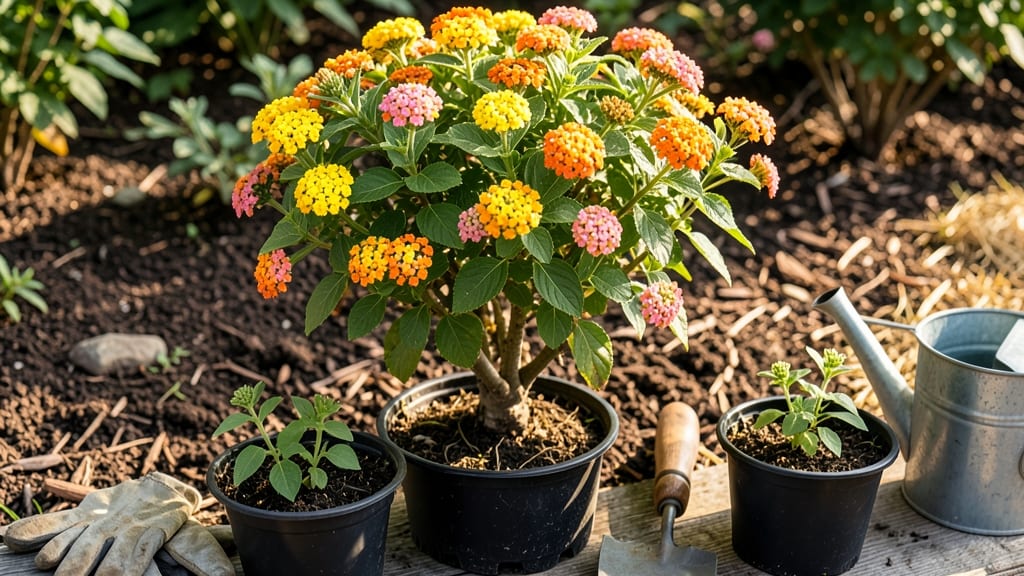
Timing your lantana planting in Georgia isn’t just about the calendar—it’s about beating frost and embracing the heat. With the right schedule, you can transform your yard into a nonstop 🌸 show from spring through fall, even in USDA zones 7a-8b.
Most gardeners assume lantana thrives only in summer, but the secret to year-round blooms lies in planting during Georgia’s two prime windows: March-May and September-November. These months give your plants the perfect head start before summer’s scorching temperatures or winter’s surprise frosts.
If you plant too early, frost can still sneak in—especially in Zone 7a—while waiting too late risks stunted growth before the heat kicks in. I’ll walk you through the exact frost-free timeline and soil prep tips to ensure your lantana takes root strong and stays vibrant all season long.
Ready to turn your garden into a colorful escape? Let’s dive into the best planting strategy for lantana that actually survives Georgia’s extremes—and keeps blooming like clockwork.
Georgia’s frost-free planting windows for lantana by USDA Zone
Planting lantana in Georgia requires precision—this heat-loving shrub thrives in USDA Zones 7-9, where frost-free windows dictate success. In Zone 7a, your last frost typically hits mid-March, while Zone 8b may see frost as late as mid-November.
The key? Plant when soil temps hit 60°F+ and nighttime lows stay above 45°F.
Lantana is a perennial in Zones 8-9 but often treated as an annual in Zone 7a due to frost risk. For zero-frost survival, aim for spring planting (March-May) or fall replanting (September-November). Container-grown lantana can even survive mild winters with protection—more on that later!
Here’s the critical timeline by zone to maximize your lantana’s 210-240 frost-free days of blooms:
| USDA Zone | Last Frost Date | Ideal Planting Window | Soil Temp Threshold | Notes |
|---|---|---|---|---|
| 7a | Mid-March | April 15 - May 15 | 60°F+ | Treat as annual; mulch heavily for winter |
| 7b | Late March | April 1 - May 30 | 60°F+ | Perennial with winter protection |
| 8a | Early March | March 15 - June 1 | 55°F+ | Perennial; minimal winter care |
| 8b | Mid-November | February 15 - June 15 | 50°F+ | Year-round growth possible |
| 9a/9b | None (rare) | Year-round (best spring/fall) | 50°F+ | No frost risk; continuous blooms |
For Zone 7a gardeners, I recommend starting lantana indoors in late February using seed trays. Transplant outdoors after your last frost date, but harden off plants for 7-10 days first to avoid shock.
In Zones 8-9, you can direct-sow seeds in late winter or buy nursery starts for instant color.
Pro tip: Use a soil thermometer to confirm temps before planting—lantana roots won’t thrive below 55°F. In Georgia’s clay-heavy soils, amend with compost or sand to improve drainage. Poor drainage = root rot, which kills lantana faster than frost!
If you’re in North Georgia (Zone 7a), consider container planting for lantana. Move pots indoors or to a garage during winter, then return them to your patio or garden in late April. This extends your blooming season by 3-4 months compared to in-ground plants.
For South Georgia (Zones 8-9), lantana’s drought tolerance becomes your best friend. Once established, these plants need only bi-weekly watering during summer. Overwatering is the #1 killer—lantana prefers dry spells between deep waterings to encourage strong root systems.
Watch for false spring warnings in March—those 70°F days can trick you into planting too early. Wait until nighttime lows stay above 50°F consistently. A frost cloth can buy you 2-3 extra weeks of growing in spring or fall if needed.
Remember: Lantana’s continuous blooms start 60-90 days after planting. In Georgia’s heat, you’ll see non
Georgia’s frost-free planting windows for lantana by USDA Zone
Georgia’s USDA Zones 7a-9 create a unique challenge for lantana lovers—too early, and frost zaps tender roots; too late, and summer’s heat arrives before blooms even start. The key is planting when soil temperatures hit 60°F+ and nighttime lows stay above 40°F.
In most of Georgia, this window opens in mid-March and closes by May 15th, but coastal areas (Zone 8b) can start as early as February 20th.
For fall planting, aim for September 1st–November 15th to give young plants time to establish roots before first frost (typically mid-November). Northern Georgia (Zone 7a) has the shortest window—just 60 days frost-free—so prioritize spring planting. Southern zones (8a-9) enjoy 210+ frost-free days, allowing for extended fall trials.
| USDA Zone | Last Frost Date | Ideal Planting Window | Soil Temp Threshold | Heat Tolerance |
|---|---|---|---|---|
| 7a (North GA) | Mid-March | March 20–April 30 | 60°F+ | Moderate (needs shade in summer) |
| 7b (Central GA) | Late February | March 1–May 15 | 58°F+ | High (full sun) |
| 8a (South GA) | Early February | February 15–June 1 | 55°F+ | Very High (drought-proof) |
| 8b (Coastal GA) | January 20 | January 30–July 15 | 50°F+ | Extreme (year-round blooms) |
Pro tip: Use a soil thermometer to confirm readiness—lantana roots hate cold soil. In Zone 7a, wait until April 1st to avoid late frosts.
For container planting, move pots indoors (60°F+) during cold snaps, but return them to full sun once temperatures stabilize above 50°F.
Fall planting is riskier but rewarding: Start September 1st in Zone 8b or October 1st in Zone 7a. Young plants need 30 days of warm soil to root before winter. Mulch heavily (3 inches) to insulate roots—this buys 2-3 extra weeks of growth before frost.
Remember, lantana is a perennial in Zones 8b+ but dies back to ground level in Zone 7a. In colder zones, treat it as an annual or protect it with burlap wraps during freezes. The earlier you plant, the more continuous blooms you’ll see by June—so don’t wait!
For urban gardeners, check your local Cooperative Extension Service for micro-climate adjustments. Atlanta’s heat islands can push planting dates 2 weeks earlier than rural areas. Always harden off container-grown lantana for 7 days before transplanting to avoid shock.