
Plants
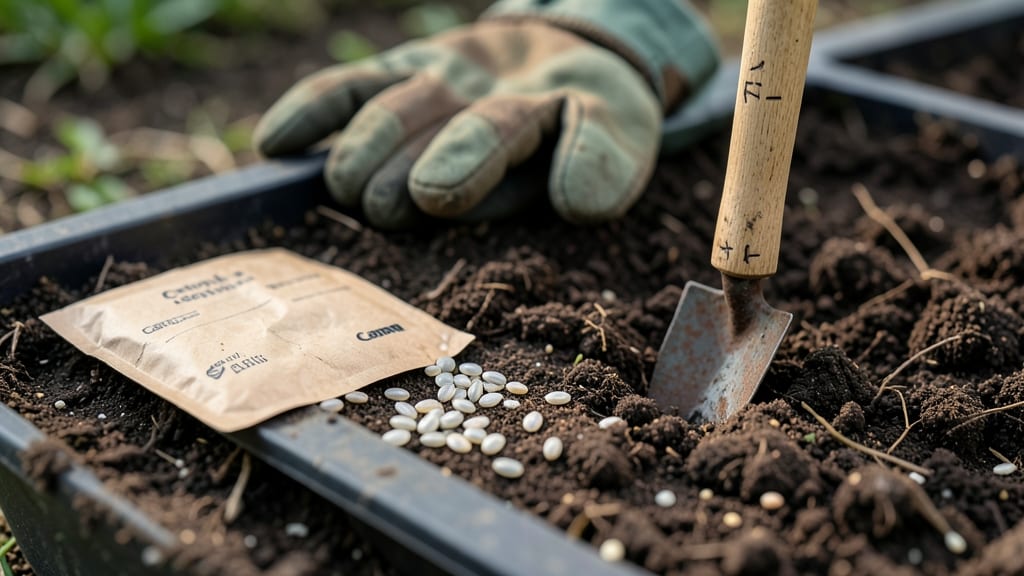
Ideal planting windows for larkspur seeds in Zone 6 (with frost protection tips)
Larkspur (Consolida ajacis) thrives in Zone 6 when planted during two key windows: early spring or late summer. The average last frost date in Zone 6 is April 15, but your exact timing depends on microclimates and elevation.
For best results, aim to sow seeds 4-6 weeks before your last frost—typically mid-March to early April—when soil temperatures reach 40-50°F.
Zone 6’s unpredictable spring weather makes timing critical. A late frost can kill tender seedlings, while planting too early risks damping off or slow germination. Use row covers or cold frames to create a 5-10°F warmer microclimate if frost threatens after sowing.
For fall planting, sow seeds 8-10 weeks before your first frost (usually late August).
🌱 Pro Tip: Larkspur seeds need light to germinate, so never bury them deeper than ¼ inch. Sprinkle seeds on prepared soil and press lightly—this mimics their natural habitat in meadows where they’re often exposed.
| Planting Window | Zone 6 Timeline | Soil Temp | Frost Protection |
|---|---|---|---|
| Early Spring | Mid-March to early April | 40–50°F | Row covers or cloches |
| Late Summer | Late August | 50–60°F | None needed |
| Fall (Alternative) | Early September | 55–65°F | Mulch for winter |
For early spring planting, start seeds indoors 6-8 weeks before your last frost if you’re using transplants. Larkspur seeds germinate best at 50–60°F, so avoid sowing outdoors until soil warms.
In Zone 6, this often means waiting until after Easter unless you use heat mats or greenhouse setups. If you miss the spring window, late summer (August) is your backup—just ensure seeds are in the ground 8 weeks before frost.
🌡️ Watch for: Soil temperatures below 40°F slow germination to a crawl. Use a soil thermometer to confirm readiness. In Zone 6, March soil temps can fluctuate wildly—plant only when temps stabilize above 45°F for 3+ days.
Direct-sowing is easiest for larkspur, but if you start indoors, use biodegradable pots to avoid disturbing roots. Transplant seedlings outdoors after hardening off (acclimating to outdoor conditions for 7–10 days).
Space them 6–12 inches apart—closer for dwarf varieties like ‘Dwarf Blue’, wider for tall types like ‘Mont Blanc’.
✂️ Post-Planting Care: Thin seedlings to 6 inches apart once they’re 2 inches tall. This reduces competition and encourages stronger stems. Mulch with straw or shredded leaves to retain moisture and suppress weeds—critical in Zone 6’s dry springs.
Larkspur’s cool-season preference means it bolts (goes to seed) in summer heat. To extend blooms, plant successive batches every 2 weeks in spring. Pair with snapdragons or sweet peas for a longer-cutting garden. Avoid planting near tomatoes or potatoes, which compete for nutrients and attract similar pests.
🌿 Zone 6-Specific Hack: If a late frost hits after sowing, cover seedlings with a lightweight frost blanket at dusk. Remove it by 10 AM to prevent overheating. For extra insurance, choose ‘Rocky Mountain’ larkspur—it’s the hardiest variety for Zone 6’s unpredictable springs.
Ideal planting windows for larkspur seeds in Zone 6 (with frost protection tips)
Zone 6 gardeners face a delicate balance when planting larkspur seeds—timing too early risks frost damage, while planting too late delays those dreamy spires.
The optimal window spans from mid-March to early April, aligning with soil temperatures of 45–55°F and after your last frost date (typically April 15 in Zone 6).
For a second planting opportunity, late summer (August) works for annual varieties, but perennial types may struggle with fall dormancy. Always check your local frost forecast—unpredictable cold snaps can derail seedlings in Zone 6’s transitional climate.
🌱 PRO TIP: Use a soil thermometer to confirm readiness—larkspurs need consistent warmth to germinate. If temps dip below 40°F, delay planting or use row covers for protection.
| Planting Window | Zone 6 Last Frost Date | Soil Temperature | Frost Protection Needed |
|---|---|---|---|
| Early Spring (March–Early April) | After April 15 | 45–55°F | Row covers for late March |
| Late Summer (August) | N/A (Post-Frost) | 50–60°F | None (unless early frost) |
🌿 Note: Perennial larkspurs may need extended protection in Zone 6’s cooler springs.
Direct-sow larkspur seeds ¼-inch deep, spacing them 6–12 inches apart to prevent overcrowding. Thin seedlings to 8–10 inches once they reach 2 inches tall, ensuring each plant gets full sun (6+ hours daily). Mulch lightly with straw to retain moisture and deter weeds.
Zone 6’s unpredictable spring weather demands vigilance. If a late frost hits after planting, shield seedlings with frost cloth or a cold frame. Water deeply but infrequently—larkspurs hate soggy soil, which invites root rot. Aim for 1 inch of water per week, adjusting for rain.
For best results, pair larkspurs with tall snapdragons or delphiniums to create a dramatic cottage-garden effect. Deadhead spent blooms in late summer to encourage a second flush of flowers before frost.
With the right timing, your Zone 6 garden will burst with vibrant larkspur spires from June to August.