
Plants
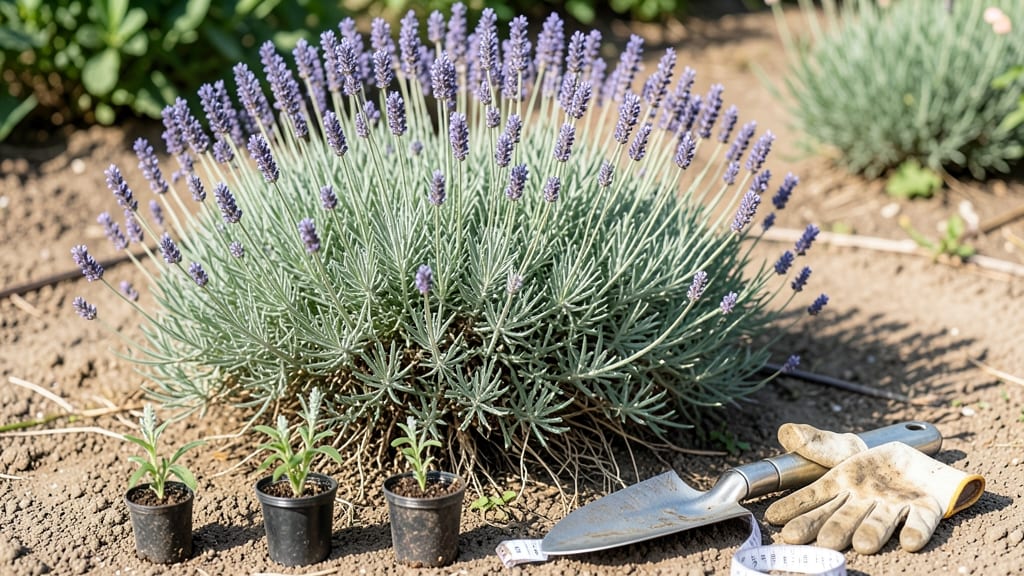
If you've ever dreamed of planting lavender in Illinois and filling your garden with its soothing scent, timing is everything. Planting your lavender at the wrong time in USDA Zones 5-6 could mean struggling with weak growth or frost damage before it even gets a chance to thrive.
Here's the good news: Illinois gardeners have two perfect windows to plant lavender—early spring and early fall. These timing strategies help your plants establish strong roots before facing harsh winters or scorching summers.
Whether you're in Chicago's cooler climate or southern Illinois' warmer stretches, knowing these key periods makes all the difference.
I'll walk you through exactly when to plant lavender in Illinois, including how to prepare your soil and what varieties work best for your specific microclimate. With these simple tips, you'll be on your way to growing fragrant lavender that blooms beautifully year after year.
Ready to transform your garden? Let's dive into the ideal planting schedule that will set your lavender up for success from day one.
Best planting months for lavender in Illinois (Zone 5-6 timing)
Timing your lavender planting in Illinois is all about avoiding late spring frosts and early fall freezes. Since Illinois spans USDA Zones 5-6, your last frost dates vary—northern areas (like Chicago) freeze later than southern regions (like St. Louis).
Aim for 4-6 weeks before your average last frost or early fall for the best results.
Most Illinois gardeners plant lavender in early spring (March-April) or early fall (September-October). Spring planting gives roots time to establish before summer heat, while fall planting lets plants settle in before winter dormancy. Never plant in late summer—the heat stresses young roots.
Here’s how to adjust for your region:
- Northern Illinois (Zone 5): Last frost is mid-April, so plant by late March.
- Southern Illinois (Zone 6): Last frost is early April, so plant by mid-March.
- Microclimates (e.g., urban heat islands): Plant 1-2 weeks later than average frost dates.
| Planting Window | Zone 5 (North) | Zone 6 (South) | Key Consideration |
|---|---|---|---|
| Early Spring | Late March | Mid-March | Soil warms slowly—wait until night temps stay above 40°F. |
| Late Spring | Avoid after April 15 | Avoid after April 1 | Risk of late frosts—delay until soil is 50°F+. |
| Early Fall | September 1-15 | September 15-October 1 | Plants need 6-8 weeks to root before winter. |
| Late Fall | Avoid after October 15 | Avoid after October 31 | New roots won’t harden before frost. |
For bare-root lavender, soak roots in water for 1-2 hours before planting. This helps hydrate roots and reduces transplant shock. If planting in clay-heavy Illinois soil, amend with sand or compost to improve drainage—lavender hates soggy roots.
Use mulch (2-3 inches) after planting to retain moisture and regulate soil temperature. Straw or pine needles work best—they decompose slowly and won’t compact like grass clippings. Avoid mulching too close to the stem to prevent rot.
If you miss the ideal window, container-grown lavender can be planted throughout the growing season (May-September) as long as it’s well-watered and shaded for the first 2 weeks. Just be prepared for smaller first-year blooms if planted late.
Pro tip: Mark your last frost date on your calendar using the National Weather Service’s frost maps for Illinois. This ensures you’re always 2 weeks ahead of Mother Nature’s surprises. Lavender’s resilience makes it worth the timing effort—once established, it thrives for decades with minimal care.
🌱
Best planting months for lavender in Illinois (Zone 5-6 timing)
Timing is everything when planting lavender in Illinois. The frost-free window—roughly April 15 to October 15—dictates your best chances for success. In USDA Zones 5-6, this means two ideal planting periods: early spring (March-April) and early fall (September-October).
Planting outside these windows risks frost damage or stunted growth.
Northern Illinois (e.g., Chicago) has earlier last frosts (around April 15), while Southern Illinois (e.g., St. Louis) sees them slightly later (April 20-25). Check your local Almanac frost dates to fine-tune your schedule.
For example, if you’re in Zone 5, aim for March 15-April 15 in spring or September 1-15 in fall.
Why these windows? Spring planting gives lavender time to establish roots before summer heat, while fall planting avoids summer stress and allows roots to settle before winter. Both strategies leverage Illinois’ 6-8 hours of daily sun—critical for lavender’s health.
| Season | Best Months | Key Considerations |
|---|---|---|
| Spring | March-April | Plant 4-6 weeks before last frost; soil should be 60°F+. |
| Fall | September-October | Aim for 6-8 weeks before first frost; roots establish before winter. |
| Microclimates | Chicago vs. St. Louis | Chicago: Adjust 1-2 weeks earlier; St. Louis: 1-2 weeks later. |
For container gardening, you can push boundaries slightly—plant in late April or early May—since pots warm up faster. However, avoid planting in late fall (November) or winter, as lavender’s roots need time to harden off before cold snaps.
If you miss the spring window, don’t panic: bare-root lavender can handle fall planting as long as it’s before October 15.
Pro tip: If your soil is still cold or soggy in spring, wait until temperatures stabilize. Stick your finger 4 inches deep—if it’s chilly, hold off. For fall planting, aim for 60°F soil temps to prevent shock. Mulch lightly after planting to retain moisture without suffocating roots.
Remember, lavender’s drought tolerance shines once established, but young plants need consistent moisture. Water deeply once a week after planting to encourage root growth. Avoid overhead watering to prevent fungal issues, and always use well-draining soil—Illinois’ clay-heavy soils may need amendments like sand or compost.
By aligning your planting with Illinois’ frost-free window and local microclimates, you’ll give your lavender the best shot at thriving. Next, we’ll explore how to choose the right lavender varieties for your Illinois garden—some handle our winters better than others!