
Plants
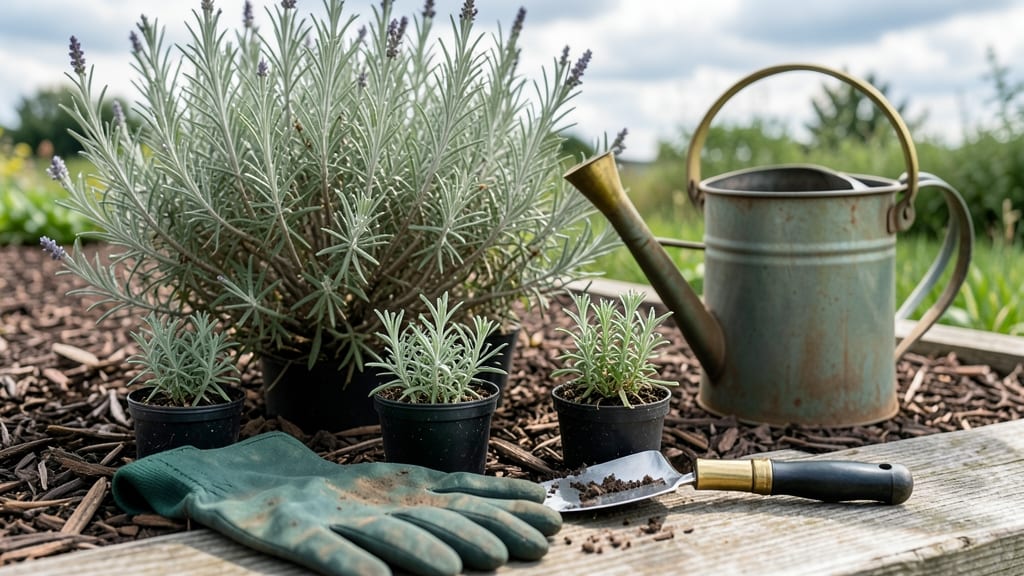
Planting lavender in Zone 8 at the wrong time can mean the difference between fragrant, drought-resistant blooms and struggling plants that never thrive. The key to success lies in understanding your region's microclimates and seasonal shifts—especially since Zone 8 spans everything from coastal breezes to inland heat.
I’ve learned that timing isn’t just about months—it’s about avoiding late frosts (which can strike as late as March 15) and preparing for summer’s intense heat. Whether you’re planting in early spring or fall, the right approach ensures your lavender 🌿 establishes strong roots before the real challenges arrive.
What most gardeners miss is how regional differences within Zone 8 affect planting. Coastal areas stay milder, while inland zones bake under summer sun—both require adjustments. I’ll show you exactly when to plant for maximum blooms and how to protect your lavender from common pitfalls.
Ready to grow lavender that’s hardy, fragrant, and full of color? Let’s dive into the best months, soil secrets, and care tips that make all the difference in Zone 8’s climate.
Best planting months for lavender in Zone 8: fall vs. spring breakdown
Lavender in Zone 8 loves the warmth but hates surprises—like unexpected frosts or scorching heat. The best planting windows are early fall and early spring, when temperatures are mild and roots can establish before extreme weather hits.
Let’s break down why fall planting (September-October) often wins for Zone 8 gardeners, but spring (March-April) still works with a few key adjustments.
Fall planting gives lavender’s roots a head start before winter dormancy. The soil stays warm enough for root growth, but cooler air temperatures reduce stress on young plants. Spring planting, on the other hand, risks late frosts that can damage tender new growth.
Both seasons have pros, but your Zone 8 microclimate (coastal vs. desert) will influence which timing works best for you.
Here’s the critical comparison to help you decide:
| Factor | Fall Planting (Sep-Oct) | Spring Planting (Mar-Apr) |
|---|---|---|
| Ideal Soil Temp | 60-75°F (roots establish before winter) | 55-65°F (avoid late frost damage) |
| Root Establishment | 6-8 weeks before dormancy | 4-6 weeks before summer heat |
| Bloom Timing | Next summer (stronger roots = better blooms) | Current year (risk of weak first bloom) |
| Zone 8 Microclimate Note | Coastal: Plant by Oct 15; Desert: By Sept 30 | Coastal: After Mar 15; Desert: After Apr 1 |
| Watering Challenge | Moderate (fall rains help) | High (summer drought risk) |
| Best Varieties | English (Munstead), Spanish (Grosso) | French (Provence), Dwarf (Hidcote) |
For Zone 8 gardeners, fall planting is my top recommendation because it aligns with lavender’s natural dormancy cycle. The cooler temperatures reduce transplant shock, and established roots handle winter better.
However, if you miss fall, spring planting still works—just start seedlings indoors in February to get a head start on the growing season.
One common mistake I see is planting too late in spring. If you wait until May or June, your lavender will struggle with summer heat and may not bloom well its first year.
Always check your last frost date (typically March 15 in Zone 8) and wait at least 2 weeks after the final frost before planting outdoors.
Pro tip: If you’re in a coastal Zone 8 area (like Southern California), you can push fall planting later—even into early November—because milder winters reduce frost risk. Inland desert areas (like Arizona), however, should plant by late September to avoid unexpected cold snaps.
For French lavender varieties, which are slightly less cold-hardy, I recommend fall planting exclusively. These varieties need time to acclimate before winter, and spring planting often leads to leggy, weak growth. English lavender, on the other hand, is more forgiving and can handle either season with proper care.
Remember, lavender’s drought resistance is a double-edged sword. While it thrives on neglect once established, young plants need consistent moisture to root. In Zone 8’s dry summers, mulch heavily around new plantings to retain soil moisture without smothering the roots.
Best planting months for lavender in Zone 8: fall vs. spring breakdown
In Zone 8, lavender thrives with precise timing—plant too early, and frost can damage tender roots; too late, and summer heat stresses young plants. The ideal planting window spans early spring (March-April) and early fall (September-October), when temperatures hover between 50°F and 70°F for optimal root establishment.
Fall planting is my top recommendation for Zone 8 gardeners. Cooler temperatures and consistent rainfall in September-October give lavender roots 6-8 weeks to establish before winter dormancy. This head start means stronger blooms next summer and better drought resistance—critical in Zone 8’s dry spells.
Spring planting (March-April) works but requires vigilance. Young lavender is vulnerable to late frosts (common until mid-April in Zone 8) and summer heatwaves. If you choose spring, wait until after your last frost date (typically March 15) and prepare for intensive watering during the first growing season.
| Factor | Fall Planting (Sep-Oct) | Spring Planting (Mar-Apr) |
|---|---|---|
| Temperature Range | 50°F–70°F | 55°F–75°F |
| Root Establishment Time | 6–8 weeks before dormancy | 4–6 weeks before summer heat |
| Frost Risk | Low (established roots survive mild winter) | High (late frosts can kill young plants) |
| Watering Needs | Moderate (natural rainfall helps) | High (drought stress in summer) |
| Bloom Timing (Next Year) | Mid-to-late summer (stronger stems) | Late summer (may be leggy) |
| Best Varieties for Zone 8 | English (Munstead), Spanish (Grosso) | French (Provence), Spanish (Papillon) |
For French lavender (like 'Provence'), spring planting is slightly safer—its heat tolerance makes it more resilient to Zone 8’s summer intensity. However, English lavender (e.g., 'Munstead') prefers fall planting to avoid woody stems from summer heat stress.
Always check your local frost dates—coastal Zone 8 (e.g., San Diego) has later frosts than inland areas (e.g., Phoenix).
Pro tip: If you miss fall or spring, August planting is a third option—just mulch heavily to retain moisture and protect roots from sudden temperature swings. Avoid planting in June-July; the heat can scorch young lavender before roots establish.
Remember, lavender’s drought resistance is a double-edged sword—overwatering new plants in Zone 8’s dry heat is a common mistake. Once established, lavender needs minimal water, but young plants require consistent moisture for the first 2–3 months after planting.