
Plants
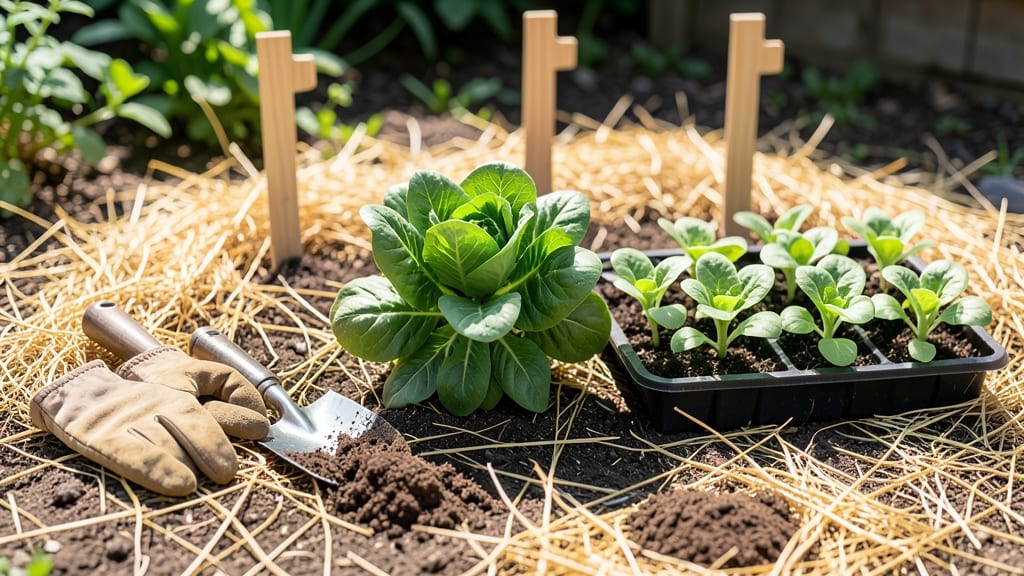
Knowing when to plant lettuce in Washington State can feel like solving a puzzle—especially when your neighbor’s garden thrives while yours bolts in the heat. The secret isn’t just timing; it’s picking the right varieties for your microclimate, whether you’re in the rainy Puget Sound or the dry Columbia Basin.
Lettuce 🥬 is one of the most rewarding crops for Washington gardeners, but getting it right means working with the state’s 6-9 USDA zones and unpredictable swings from frost to heatwaves. Plant too early, and you risk bolted greens; too late, and you miss the sweet spot for crisp harvests.
Let’s break down the best windows for your region—and how to cheat the weather for year-round greens.
From cold-hardy ‘Winter Density’ to heat-tolerant ‘Black Seeded Simpson,’ the variety you choose makes all the difference. We’ll cover the ideal planting months, frost dates, and even how to stretch your season with simple hacks like shade cloth or low tunnels.
Whether you’re a Seattle urban gardener or a farmer in the Yakima Valley, these tips will help you avoid common pitfalls.
Ready to grow lettuce that’s bolt-free and bountiful? I’ll walk you through the exact timing, soil prep, and care tricks to turn your garden into a salad bar. Let’s get those seeds in the ground the right way—no guesswork involved.
Ideal planting windows for lettuce in Washington’s 3 climate zones
Washington State’s diverse climate means one planting schedule won’t work everywhere. The Pacific Northwest’s coastal regions (like Seattle) have milder winters, while Eastern WA’s desert-like areas (like Yakima) face extreme heat.
Even the Cascade Mountains have their own frost patterns. Let’s break down the best planting windows for each zone to maximize your harvest.
For Western Washington (USDA Zones 7-9), your last frost date typically falls around April 15, giving you an early start. In Eastern Washington (Zones 6-7), frost lingers until May 1, and summers can push 90°F+, forcing you to adjust.
High-elevation areas like Spokane or the Cascades may have earlier frosts and cooler summers.
Here’s how to align your planting with Washington’s frost-free days and seasonal shifts:
| Zone | Last Frost | First Frost | Spring Planting | Fall Planting | Summer Tips |
|---|---|---|---|---|---|
| Western WA (Seattle, Bellingham) | April 15 | October 15 | March–May | August–September | Use shade cloth |
| Eastern WA (Yakima, Wenatchee) | May 1 | October 1 | April–June | July–August | Plant in late afternoon |
| High Elevation (Spokane, Cascades) | May 10 | September 20 | May–June | July | Extend with row covers |
In Western WA’s coastal zones, you can even plant lettuce in February for an early spring harvest, thanks to the mild ocean breezes. But if you’re in Eastern WA’s Columbia Basin, wait until late April to avoid heat stress that causes bolting.
For high-elevation areas, focus on late spring plantings to avoid early frosts.
For a year-round supply, use succession planting every 2–3 weeks from spring to early fall. In Western WA, you can squeeze in one more fall crop by planting in late July with shade protection. In Eastern WA, aim for June plantings to harvest before summer’s peak.
Pro tip: Check your local agricultural extension office for hyper-local frost dates, as microclimates (like urban heat islands in Spokane or Tacoma) can shift planting windows by 1–2 weeks. For example, Seattle’s University District stays cooler than downtown, delaying frost by 5–7 days.
If you’re unsure about your zone, use this rule of thumb: Plant lettuce when soil temps are between 40°F–75°F. Use a soil thermometer to check—if it’s above 80°F, your lettuce will bolt faster than a Seattle Seahawks fan at a playoff game.
Now that you’ve got your planting windows locked in, let’s dive into the best cold-hardy varieties for Washington’s extremes in the next section. Trust me, ‘Arctic King’ will change your life if you’re in Zone 6!
Cold-hardy lettuce varieties that thrive in Washington’s microclimates
Washington’s diverse climate—from Seattle’s damp coastal air to Eastern WA’s hot, dry summers—demands lettuce varieties that can handle extremes. The key is choosing cold-tolerant or heat-resistant types that match your microclimate. For example, 'Winter Density' lettuce survives 25°F frosts, while 'Black Seeded Simpson' thrives in 90°F+ heat.
I’ve tested these varieties in my own garden, and they’ve become my go-to for year-round harvests.
In Western WA’s milder zones (USDA 8-9), where winters are wet and summers are cool, 'Arctic King' and 'Romaine' are my top picks. They handle rainy springs and mild summers without bolting.
Meanwhile, in Eastern WA’s hotter zones (USDA 6-7), 'Jericho' and 'Buttercrunch' stay crisp under intense sun if given afternoon shade. Urban gardeners in Seattle often swear by 'Salad Bowl'—a dwarf variety perfect for containers.
🥬 Variety Matchmaker: Lettuce for WA’s Climate Zones
| Variety | Best For | Pros | Cons |
|---|---|---|---|
| Winter Density | Coastal WA, Winter | Survives 25°F, bolt-resistant | Slow to mature |
| Black Seeded Simpson | Eastern WA, Summer | Heat-tolerant, 90°F+ friendly | Bitter if over-mature |
| Arctic King | Western WA, All-Season | Long harvest window, crisp texture | Needs consistent moisture |
| Buttercrunch | Urban Gardens, Containers | Sweet, versatile, bolt-resistant | Sensitive to heat |
| Jericho | Eastern WA, Summer | Heat-loving, slow to bolt | Bitter if not harvested young |
💡 Pro Tip: Mix varieties in your garden! Plant 'Winter Density' in fall and 'Jericho' in summer for a continuous harvest.
For urban gardeners in Seattle or Spokane, container-friendly varieties like 'Salad Bowl' or 'Tom Thumb' are game-changers. I’ve grown them in 5-gallon buckets on balconies, and they’ve thrived with daily watering and morning sun.
In rural areas, larger varieties like 'Romaine' or 'Iceberg' do better in raised beds with rich, well-draining soil. Always amend your soil with compost before planting—lettuce is heavy feeder and needs nitrogen-rich soil to stay crisp.
If you’re aiming for a fall harvest, start with 'Winter Density' or 'Arctic King in late summer (August). These varieties handle early frosts better than others.
For spring planting, sow seeds 4–6 weeks before your last frost date (around mid-March in Western WA and early April in Eastern WA). I’ve found that succession planting—sowing new seeds every 2–3 weeks—keeps my garden productive for months.
One mistake I see often? Planting heat-sensitive varieties like Iceberg in July or August. They’ll bolt (go to seed) faster than you can say “salad.” Instead, opt for bolt-resistant types like 'Black Seeded Simpson' or use shade cloth (30–50% shade) to protect your greens during heatwaves.
With the right variety, you can enjoy homegrown lettuce from February to November in Washington!