
Plants
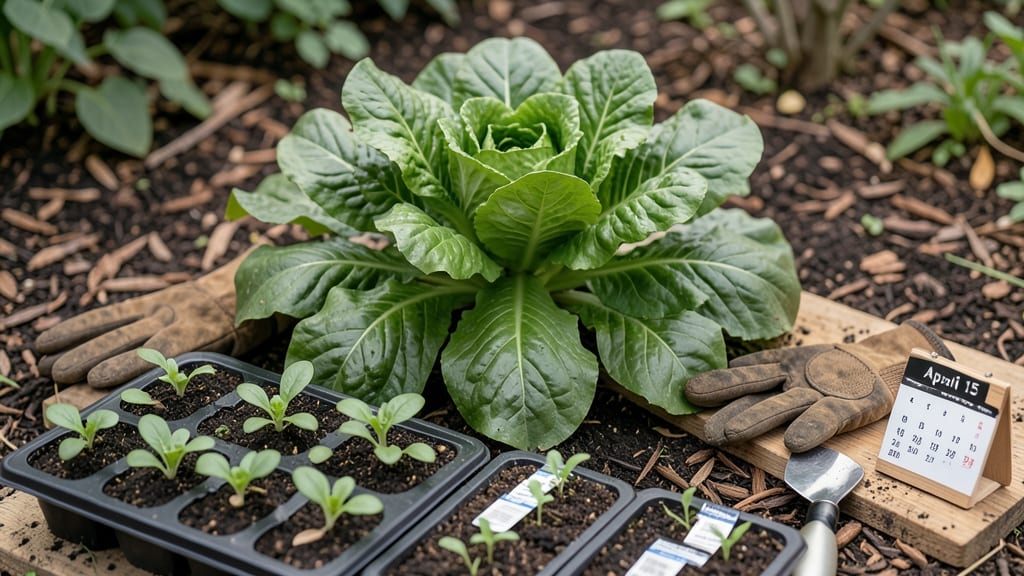
Knowing when to plant lettuce in Zone 6a can mean the difference between crisp, fresh greens and bitter, bolted disappointment. If you've ever watched your 🥬 plants turn tough and flower prematurely, you're not alone—timing is the key to success.
Zone 6a's mild winters and warm summers create two perfect windows for lettuce: early spring and late summer. Plant too soon, and frost will nip your seedlings; too late, and heat will send your lettuce running to seed.
The secret lies in understanding your last and first frost dates—and I'll show you exactly how to work with them.
In this guide, you'll discover the best planting schedules for both seasons, plus pro tips to keep your lettuce sweet and crisp. Whether you're a first-time gardener or a seasoned green thumb, these strategies will help you enjoy homegrown greens from spring through fall.
Ready to grow lettuce that stays fresh and delicious? Let's dive into the perfect planting times and techniques that actually work in Zone 6a's climate.
Spring planting schedule for lettuce in Zone 6A: avoiding frost and bolting
Timing your lettuce planting in Zone 6A is all about beating frost while avoiding summer's bolting trigger. The key window opens when soil temperatures hit 40°F—typically late February to early March. This ensures seedlings emerge quickly before last frost dates (usually mid-April) arrive.
For head lettuce varieties like Romaine or Iceberg, aim to plant 4-6 weeks before your last frost. Leaf lettuces (Buttercrunch, Oakleaf) are more flexible and can handle slightly cooler soil, giving you a 2-week earlier planting window.
Soil temperature matters more than air temperature. Use a soil thermometer to confirm 40°F+ readings before sowing. Cold soil delays germination and makes seedlings vulnerable to damping off disease. If your soil is still chilly, opt for slow-release seed starter mixes to jumpstart growth.
Here’s my Zone 6A spring planting timeline for maximum success:
Protect young seedlings from late frosts using frost cloth or row covers. These lightweight fabrics trap heat without smothering plants. Remove covers during the day to prevent overheating, which can also trigger bolting.
To prevent bolting as temperatures rise, choose heat-tolerant varieties like Jericho or Black Seeded Simpson. These varieties handle 75°F+ better than traditional types. Pair them with shade cloth (30-50%) during peak afternoon sun to keep leaves cool.
Mulch with straw or shredded leaves to maintain even soil moisture. Fluctuations in water levels are a major bolting trigger. Aim for 1-1.5 inches of water weekly, delivered in the morning to reduce evaporation and fungal risks.
Monitor your plants for bolting signs: elongated stems, bitter taste, or flower stalks. If caught early, prune affected leaves and focus water on the base to encourage new growth. For a second harvest, replant bolt-resistant varieties in late summer when days shorten.
Spring planting schedule for lettuce in Zone 6A: avoiding frost and bolting
In Zone 6A, spring lettuce planting starts 4-6 weeks before your last frost date—typically late February to early March in most areas. This timing balances frost risk with soil warmth, ensuring seedlings thrive without bolting prematurely from heat stress.
Your last frost date in Zone 6A usually falls around mid-April, so aim to plant by early April for a reliable harvest. For early varieties, you can even start sowing indoors 6-8 weeks before transplanting to jumpstart growth.
Soil temperature is critical—wait until it reaches 40°F (4°C) consistently. Cold soil slows germination, while warm soil (above 70°F/21°C) triggers bolting. Use a soil thermometer to check before planting.
| Stage | Action | Notes |
|---|---|---|
| Late February | Start seeds indoors | Use grow lights; keep soil moist |
| Early March | Direct sow outdoors | Cover with row fabric if frost threatens |
| Mid-April | Transplant seedlings | Space 8-12 inches apart; water deeply |
| May-June | Succession plant | Sow every 2 weeks for continuous harvests |
For succession planting, sow new seeds every 2-3 weeks through mid-May. This ensures a steady supply of fresh lettuce while avoiding the late-spring heat that causes bolting. Choose heat-tolerant varieties like 'Black Seeded Simpson' or 'Jericho' for extended harvests.
Always plant in well-draining soil enriched with compost. Lettuce prefers partial shade during peak afternoon sun to stay crisp. Mulch with straw to retain moisture and suppress weeds, which compete for nutrients.
Monitor your plants for bolting signs like tall stems or bitter leaves. If temperatures rise above 75°F (24°C), provide afternoon shade with a shade cloth to protect tender greens. With the right timing, you’ll enjoy crisp harvests from April through June!