
Plants
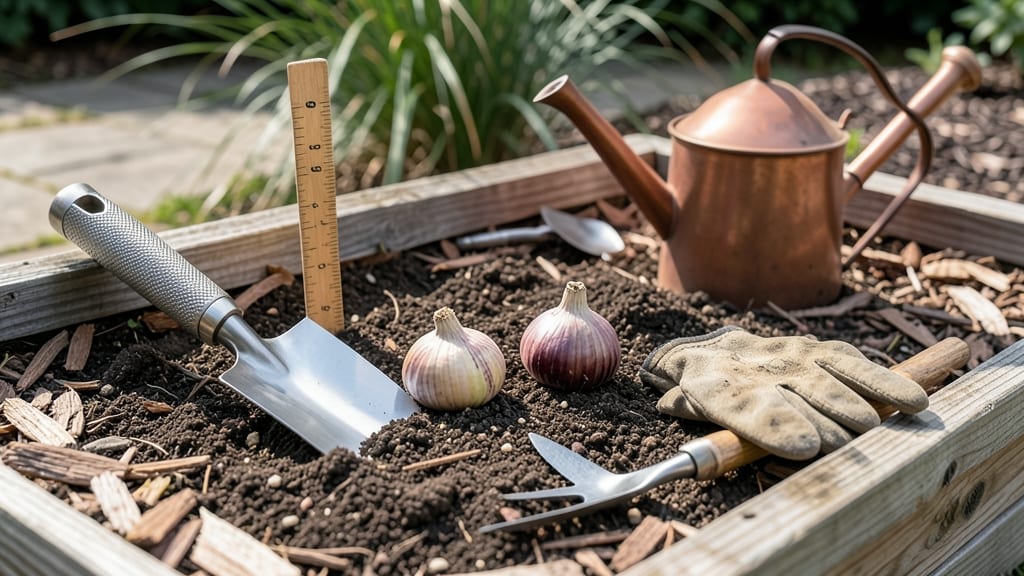
Planting lily bulbs in Oregon at the wrong time could mean the difference between stunning 🌸 blooms and wasted effort. With Oregon’s 7b-9a zones and dramatic climate shifts—from coastal chill to inland warmth—getting the timing right is everything.
Fall planting (September–November) is ideal for most Oregon gardeners, but whether you’re in Portland’s mild coastal zone or Bend’s cooler high desert, local frost dates matter more than calendar months. The key? Planting 6-8 weeks before your first frost ensures roots establish before winter sets in.
Spring planting (March–April) works too, but lilies need time to grow strong before summer heat arrives. I’ll break down exactly when to plant in your specific zone, plus how to adjust for Oregon’s tricky microclimates—because what works in Eugene might fail in Medford.
Ready to avoid frost-killed bulbs and guarantee vibrant summer flowers? Let’s dive into the perfect planting schedule for your Oregon garden, with actionable steps for beginners and pro tips for experienced growers.
Oregon’s best planting windows for lily bulbs by USDA Zone
Oregon’s diverse climate—from the coastal fog of the West Coast to the dry heat of the Willamette Valley—means lily bulb planting deadlines vary dramatically. Most of Oregon falls in USDA Zones 7b-9a, but your exact timing depends on elevation, proximity to the ocean, and microclimates.
For zero-frost blooms, aim to plant bulbs 6-8 weeks before your region’s first frost date, which ranges from mid-October in coastal areas to late October inland.
Fall planting is ideal because it gives bulbs time to establish roots before winter dormancy. However, early spring planting (March-April) works too, especially for late-blooming varieties like Stargazer lilies.
The key is avoiding frost exposure during early growth stages. Let’s break down the best planting windows for each zone and microclimate.
🌱
| USDA Zone | Best Planting Window | First Frost Date | Soil Temp Threshold | Microclimate Notes |
|---|---|---|---|---|
| 7b (Coastal) | Late September - Early November | Mid-October | 55-60°F | Cooler, wetter; plant deeper (8") for insulation. |
| 8a (Willamette Valley) | Mid-September - Mid-November | Late October | 50-55°F | Moderate; use mulch to protect bulbs. |
| 8b (Eastern OR) | Early September - Early November | Early October | 45-50°F | Drier; water deeply after planting. |
| 9a (Southern OR) | October - Early December | Mid-November | 40-45°F | Warmer; extend window for late varieties. |
If you’re unsure about your first frost date, check Oregon State University’s climate maps or use local weather station data. For example, Portland’s average first frost is October 20th, so aim to plant by early September.
In contrast, Medford’s later frost date (mid-November) allows planting until early December. Always adjust for elevation changes—mountainous areas like the Cascades frost earlier than valleys.
For early spring planting, wait until soil temperatures rise above 50°F and the risk of frost has passed. This typically means March in coastal areas and April inland. Spring-planted bulbs may bloom 2-3 weeks later than fall-planted ones, but they still thrive with proper care.
Pro tip: Use a soil thermometer to confirm temperatures. Lilies need consistent moisture during root establishment, so water deeply after planting and mulch with 2-3 inches of straw to retain moisture and insulate bulbs. This is especially critical in Zone 7b, where coastal fog can delay soil warming.
Don’t let Oregon’s microclimates stress you out—focus on your local frost dates and adjust planting by 2-4 weeks if needed. With the right timing, your lilies will reward you with bold blooms from June to August, regardless of whether you’re in Astoria or Ashland. 🌷
How to time lily bulb planting for zero-frost blooms in Oregon
Timing your lily bulb planting to avoid Oregon’s unpredictable frosts is all about reading the soil temperature and microclimates. Most Oregon gardeners aim for 6-8 weeks before the first frost, but coastal areas like Astoria (Zone 8b) have later frost dates than inland Bend (Zone 7b).
Check Oregon State University’s frost-free date maps to fine-tune your schedule—this ensures bulbs establish roots before winter sets in.
For fall planting (September–November), wait until soil temps drop to 50–60°F. Use a soil thermometer to verify—cooler soils slow root growth, while warmer soils risk rot. In Zone 7b (e.g., Eugene), plant by mid-October; in Zone 9a (e.g., Medford), extend to early November.
Early spring plantings (March–April) work too, but bulbs need 6–8 weeks to bloom, so don’t wait too late.
- 📅 Check frost dates: Use OSU’s climate maps for your zone (7b–9a).
- 🌡️ Soil temp test: Plant when soil is 50–60°F (use a thermometer).
- 🌿 Microclimate matters: South-facing slopes warm faster; valleys cool quicker.
- 🧹 Mulch heavily: Add 4–6 inches of straw after planting to insulate bulbs.
- 💧 Avoid overwatering: Keep soil moist but not soggy to prevent rot.
Oregon’s microclimates can shift frost risks by 2–4 weeks. For example, coastal Portland (Zone 8a) may see frost as late as November 15, while inland Pendleton (Zone 7a) could freeze by October 15.
Plant hardy varieties like Tiger Lilies earlier in colder zones, and Asiatic Lilies slightly later in milder areas. Always plant bulbs 3x deeper than their height (e.g., 6-inch bulbs go 18 inches deep) for extra frost protection.
If you miss the fall window, early spring plantings (March–April) still work—but rush them by choosing fast-blooming varieties like Stargazer Lilies. Use black plastic mulch to warm soil faster in spring.
Just remember: bulbs planted after April 15 in most of Oregon may not bloom until next year. For zero-frost blooms, prioritize fall planting and microclimate selection over last-minute adjustments.
Pro tip: Label your bulbs with planting dates—this helps track which varieties need extra care. For example, Oriental Lilies (later bloomers) planted in late October might need row covers if frost arrives early.
Monitor local weather forecasts and adjust mulching thickness accordingly. A little extra insulation can mean the difference between frost-nipped buds and show-stopping blooms.
Don’t let Oregon’s variable climate stress you out—with the right timing and a few frost-smart tricks, your lilies will thrive. Start by testing your soil, then follow the zone-specific deadlines below. Soon, you’ll be the envy of your neighborhood with bold, frost-free blooms every summer! 🌸