
Plants
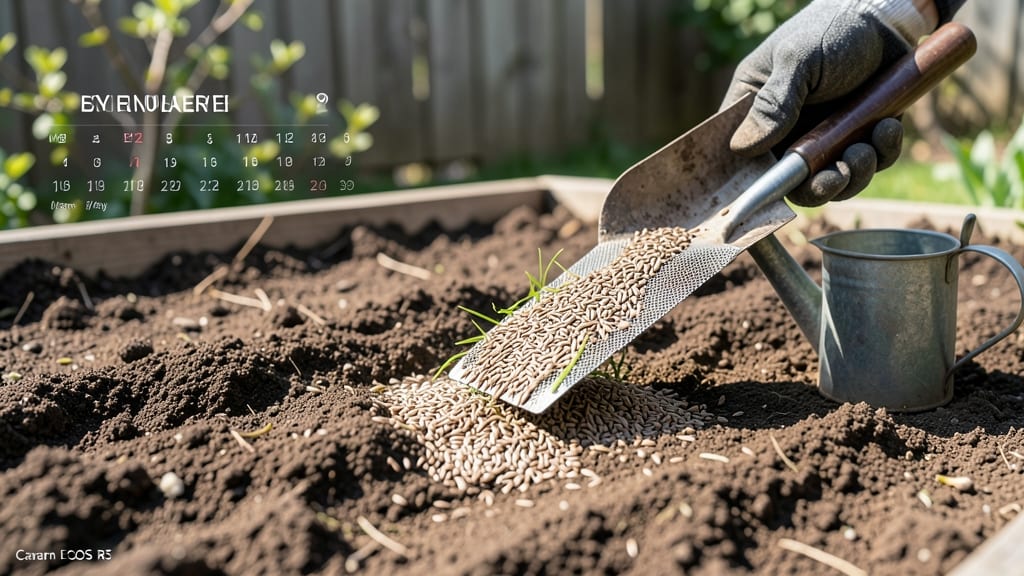
Timing when to plant new grass seed in spring perfectly can mean the difference between a lush, green lawn and months of patchy growth—or worse, wasted seed money. If you're in Zone 6 or similar climates, getting this right is everything, and the window is narrower than you might think.
The key isn't just waiting for warmer weather—it's about soil temperature, frost dates, and knowing when your local climate actually signals "go."
Most gardeners assume they should plant as soon as the ground isn't frozen, but that's a common mistake. Grass seed 🌱 needs soil that's warmed to at least 55°F—cold soil slows germination and invites disease.
In Zone 6, that usually means waiting until late April, but your exact timing depends on whether you're in a cooler microclimate or a slightly warmer pocket. I'll show you how to check your soil temperature and calculate the perfect window for your yard.
What happens if you plant too early? You might end up with weak, uneven growth that struggles to compete with weeds. Plant too late, and you risk summer heat stress before your new grass gets established.
The ideal 4-6 week window before your last frost date is your best bet, but regional variations can shift that by weeks. Let's break down exactly how to pinpoint your local frost-free window and avoid these costly mistakes.
Don't worry if you're new to this—this guide will walk you through every step, from preparing your soil to choosing the right seed type for your climate.
By the end, you'll know exactly when to plant, what to watch for, and how to give your new grass the best possible start. Let's get that lawn looking its best this spring!
Optimal soil temperature for planting grass seed in spring
Getting your grass seed timing right in spring isn't just about avoiding frost—it's about soil temperature. Most grass varieties need soil temps between 50°F and 65°F to germinate properly.
Cool-season grasses like Kentucky bluegrass and fescue thrive at the lower end (50°F-55°F), while warm-season types such as Bermuda grass prefer warmer soil (60°F-65°F). Planting too early when soil is still cold can leave seeds dormant, while waiting too long risks summer heat stress.
Your local USDA hardiness zone plays a huge role. In Zone 5 or colder, aim for late April to early May when soil warms consistently. Gardeners in Zone 7 and warmer can start as early as mid-March, but always verify with a soil thermometer.
Pro tip: Morning soil temps are typically 5°F cooler than afternoon readings—check daily for accuracy.
Here's how to test your soil temperature without fancy tools. Push a meat thermometer (cleaned!) 2-3 inches deep into moist soil and leave it for 30 minutes. If it reads below 50°F, your seeds may not sprout.
For a DIY solution, bury a thermometer in a plastic cup filled with water—this mimics soil moisture conditions. Remember, consistency matters: Fluctuating temps between day and night can delay germination.
Regional variations matter too. Northern climates like Minnesota or Maine often see late spring soil warming, while Southern states like Texas or Florida can plant earlier but risk summer drought. Always factor in your area's average last frost date (typically 2-4 weeks after soil reaches ideal temps).
For example, Zone 6 gardeners should wait until after April 15 in most areas, but Zone 8 can start by mid-February.
One common mistake is relying on air temperature instead of soil temp. A 70°F day might feel warm, but if the soil is still 45°F, seeds won't germinate. Use a soil thermometer for 3-5 days to confirm stability.
If temps drop below 40°F at night, cover newly seeded areas with lightweight row fabric until conditions improve. This simple step can save you from wasted seed and frustration.
| Grass Type | Ideal Soil Temp (°F) | Best Planting Window | USDA Zones |
|---|---|---|---|
| Cool-Season (Kentucky Bluegrass, Fescue, Ryegrass) | 50°F–55°F | Early spring (4–6 weeks before last frost) | 3–8 |
| Warm-Season (Bermuda, Zoysia, St. Augustine) | 60°F–65°F | Late spring (after last frost, before summer heat) | 7–11 |
| Tall Fescue (Transition Zone) | 55°F–60°F | Early to mid-spring (flexible window) | 5–9 |
| Perennial Ryegrass (Fast-Germinating) | 45°F–55°F | Early spring or fall (fast establishment) | All zones |
🌱 Note: Adjust for microclimates (e.g., shaded areas stay cooler longer).
If you're in a transition zone (Zones 5–7), consider tall fescue blends that tolerate wider temp ranges. These grasses germinate well at 55°F–60°F and handle summer heat better than cool-season types. For northern climates, mix ryegrass (fast germinator) with fescue (longer lifespan) to balance speed and durability.
Always check the seed packet for specific recommendations—some blends are engineered for early spring planting.
Don't overlook soil moisture alongside temperature. Seeds need consistent moisture to germinate, but soggy soil can rot them. Aim for 1–1.5 inches of water per week after planting, watering early in the morning to reduce evaporation.
A light mulch (straw or peat moss) helps retain moisture without smothering seeds. If your soil feels dry 1 inch below the surface, water immediately—seeds can dry out in as little as 24 hours.
For container or small lawns, use a
How to calculate your local frost-free window for spring grass planting
Determining your local frost-free window is one of the most critical steps in timing your grass seed planting. This window—the period between your last spring frost and first fall frost—dictates when your new lawn has the best chance to establish strong roots before harsh weather arrives.
For most regions, planting 4-6 weeks before the last frost gives seeds enough time to germinate and grow before summer heat sets in.
Start by checking your USDA hardiness zone (Zone 6 is the default example here). Each zone has slightly different frost dates, so knowing yours helps narrow down your planting window.
For instance, in Zone 5, you might plant as early as mid-April, while Zone 7 gardeners can wait until late March or early April. Always err on the side of caution—planting too early risks frost damage, while planting too late can lead to weak growth before winter.
Next, use local weather data from sources like the National Weather Service or Almanac.com. These tools provide historical frost dates for your area, which are more reliable than guessing.
For example, if your last frost date is April 15, aim to plant by mid-March to allow 6-8 weeks of growth before summer heat arrives. Adjust this timeline if your spring tends to be early or late—some years may push frost dates back by 1-2 weeks.
Look up your hardiness zone (e.g., Zone 6) to estimate frost dates. Zones 5-7 typically plant between March and early May.
Use the National Weather Service or Almanac.com to find your average last frost date. Subtract 6 weeks to calculate your ideal planting window.
If your area has unpredictable frost patterns, wait until soil temperatures consistently reach 55°F+ before planting.
Watch for 10-day forecasts in late spring. If a cold snap is predicted, delay planting until temperatures stabilize.
Tall fescue and Kentucky bluegrass thrive when planted 4-6 weeks before last frost. Warm-season grasses like Bermuda wait until after the last frost.
For northern climates (Zones 3-5), focus on planting cool-season grasses like tall fescue or perennial ryegrass in early spring. These varieties germinate quickly in cooler soil temperatures (50°F-60°F) and establish roots before summer heat arrives.
In southern climates (Zones 7-10), prioritize warm-season grasses like Bermuda or Zoysia, which need warmer soil (65°F+) and should be planted after the last frost, typically in late spring.
Pro tip: If you’re unsure about your frost dates, use a frost-sensitive plant like coleus as a natural indicator. Plant it in your yard—when it survives overnight without damage, it’s safe to sow grass seed.
This method works especially well for microclimates where official frost dates might not apply. Always pair this with a soil thermometer to confirm temperatures are ideal for germination.
Remember, the frost-free window isn’t just about avoiding frost—it’s also about giving your grass enough time to develop deep roots before summer drought or winter cold sets in.
Aim for a 6-8 week growth period before extreme temperatures return. With the right timing, you’ll see uniform germination and a lawn that’s ready to handle summer’s challenges.