
Plants
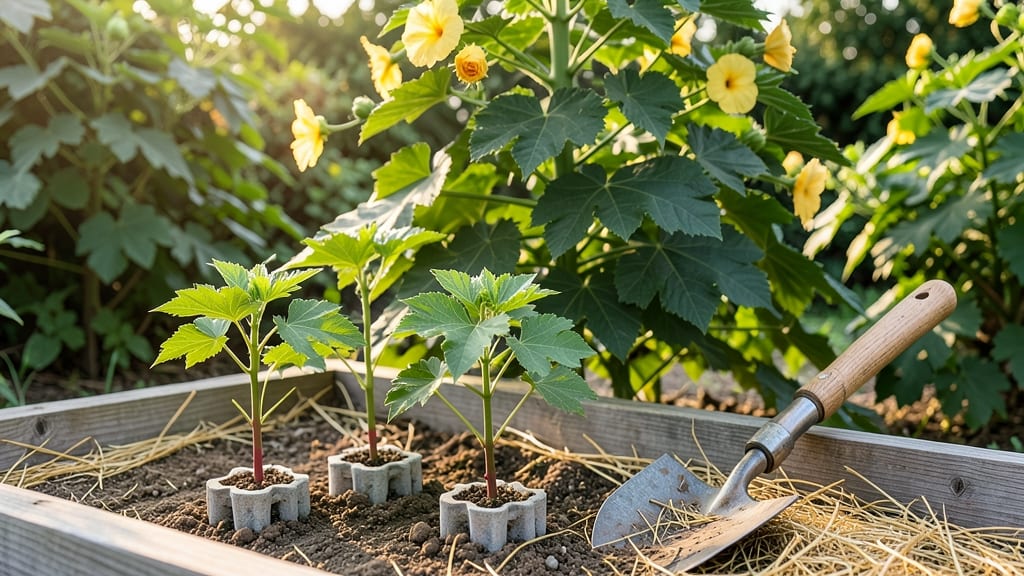
Zone 6 last frost dates and okra’s heat requirements
Okra is a heat-loving plant that refuses to grow in cool soil, so timing your Zone 6 planting means waiting for soil temperatures of 60°F (15°C) or higher.
The average last frost date in Zone 6 falls around April 15, but okra won’t germinate until mid-to-late May in most areas. This delay is critical—planting too early risks stunted growth or seed rot in chilly soil.
Okra’s 90-day growing season means your last planting window should be by early July to ensure harvests before first frost (October 15). For example, if you plant on June 1, you’ll likely harvest by September 1, leaving a buffer before cold snaps.
Always check your local microclimate—urban areas may stay warmer longer than rural spots.
Here’s the math behind okra timing in Zone 6:
Western Zone 6 (e.g., Colorado, Wyoming) often has cooler nights and shorter growing seasons, while eastern areas (e.g., Virginia, Indiana) benefit from longer heat retention.
For example, Denver’s last frost averages May 5, but okra won’t thrive until June 15, leaving only a 100-day window—cutting your harvest short if planted late.
To extend your okra season, use black plastic mulch to warm soil faster or plant heat-tolerant varieties like 'Clemson Spineless', which handles 90°F+ temperatures better than standard types. Avoid transplanting seedlings—okra hates root disturbance and bolts quickly when stressed.
Pro tip: Test your soil with a thermometer for 3 consecutive days at 60°F+ before planting. Cold snaps after germination can stall growth entirely, so monitor your local 10-day forecast for stable warmth.
Okra’s day-length sensitivity means it grows faster in long summer days (June-August). Planting in early June gives you the best balance of heat and daylight for a bountiful harvest before frost. Don’t wait until July—you’ll miss the sweet spot for pod production.
5 Critical factors that determine okra planting success in Zone 6
Planting okra in Zone 6 isn’t just about avoiding frost—it’s about creating the perfect heat and moisture balance. Okra is a warm-season crop that demands specific conditions to thrive, and missing even one factor can mean poor germination or stunted growth.
First, soil temperature is non-negotiable. Okra seeds won’t germinate until the soil reaches at least 60°F (15°C). In Zone 6, this typically means waiting until mid-May to early June, depending on your subregion.
Cold soil will leave your seeds sitting in the dirt for weeks, if they sprout at all.
Next, day-length sensitivity plays a surprising role. Okra is day-neutral, meaning it doesn’t rely on specific daylight hours to flower. However, shorter summer days in northern Zone 6 can slow down growth if temperatures dip below 75°F (24°C) at night.
This is why late May plantings often outperform early June ones in cooler microclimates.
🌱 5 Critical Factors for Okra Success in Zone 6
- Soil Temp: Wait until soil hits 60°F+ (use a soil thermometer!)
- Heat Tolerance: Okra thrives in 80-95°F days; avoid planting before consistent warmth
- Moisture Balance: Deep water 2-3x/week but avoid soggy soil (okra hates "wet feet")
- Variety Choice: 'Clemson Spineless' handles cooler Zone 6 summers better than 'Emerald'
- Microclimate: Urban areas stay 5-10°F warmer than rural zones—plant earlier!
Don’t overlook moisture needs, either. Okra loves consistent watering—about 1-2 inches per week—but it hates soggy roots. In Zone 6’s humid summers, mulching with straw or wood chips keeps moisture even while preventing fungal diseases like powdery mildew.
I’ve seen okra plants wilt dramatically in heavy clay soils unless I improve drainage first.
Finally, seed variety matters. Some okra types, like 'Clemson Spineless', are bred to handle shorter, cooler summers common in Zone 6. Others, like 'Emerald', bolt faster in heat but need longer growing seasons.
Check your seed packet’s days-to-maturity and subtract 90 days from your first frost date to nail your planting window.
Pro tip: If your Zone 6 summer feels too short, try succession planting every 2 weeks after your initial date. This stretches your harvest from July through September instead of a single 2-week rush.
Just remember—okra’s pods grow fastest in heat, so the earlier you plant (when soil’s warm enough), the better your yield.