
Plants
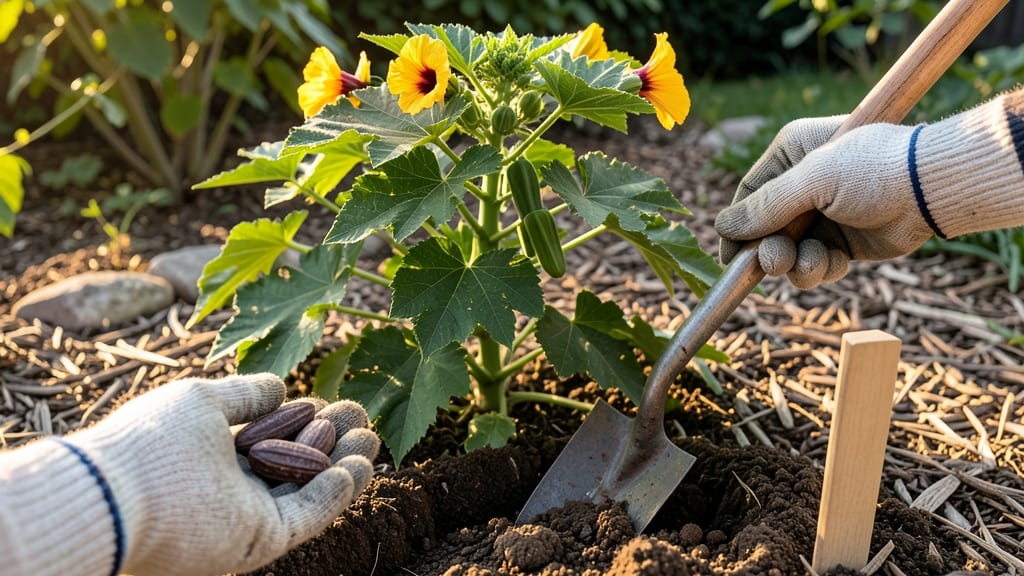
If you’ve ever planted the okra seeds in North Carolina only to watch it bolt before producing a single pod, you’re not alone—and the fix is simpler than you think.
The perfect window for planting okra seeds in NC is narrow, but nailing it means the difference between a bountiful harvest and wasted effort.
Okra 🌱 loves heat, but it hates cold snaps, which is why timing matters more than most gardeners realize. In zones 7a-8b, your best bet is mid-April to early June, once soil temperatures hit a steady 70°F+.
Skipping this step can trigger early flowering, leading to bitter pods or no harvest at all.
But here’s the kicker: NC’s short growing season means you can also squeeze in a fall crop if you plant seeds in late July. This second window works because okra thrives in the late-summer heat, giving you a second chance for a harvest before frost.
I’ll walk you through the exact dates, soil prep, and care tips to ensure your okra plants stay productive—no bolting, no stress. Let’s get those seeds in the ground the right way.
Best planting dates for okra seeds in NC by hardiness zone
North Carolina’s USDA Zones 7a-8b offer a short but productive growing window for okra, but timing is critical to avoid bolting (premature flowering). Okra needs warm soil (70°F+) and consistent heat to thrive, so planting too early leads to stunted growth or wasted effort.
Let’s break down the exact planting windows for each zone to maximize your harvest.
For Zone 7a (western NC mountains), aim for mid-May to early June after the last frost (typically April 15). In Zone 8a (Piedmont), you can start late April to mid-May, while Zone 8b (coastal areas) allows early April to late May plantings.
These dates align with soil temperatures reaching the 70°F+ threshold okra craves.
Okra is frost-sensitive, so never plant before your area’s last frost date. Use a soil thermometer to confirm warmth—okra seeds won’t germinate in cool soil.
If your soil is still chilly, consider transplanting seedlings (purchased or started indoors) for a head start, though direct sowing is preferred for hardier plants.
Here’s the comparison table for NC’s zones, including soil temp thresholds, last frost dates, and ideal planting windows to prevent bolting:
For a second harvest, plant okra seeds again in late July to early August. This gives pods time to mature before the first frost (mid-November). In Zone 7a, focus on the late summer planting—your spring crop may struggle with cooler temps.
Use black plastic mulch or row covers to warm soil faster if needed.
Okra’s 60-80 day growth cycle means you’ll need to plan carefully. If you’re in Zone 8b, you might squeeze in two full harvests (spring and fall), but Zone 7a gardeners should prioritize the late summer planting.
Always monitor soil moisture—okra needs 1-2 inches of water weekly to prevent stress-induced bolting.
Pro tip: Pre-soak seeds for 4-6 hours before planting to speed up germination. Okra seeds germinate best in warm, moist soil, so avoid planting in dry conditions. Once sprouted, thin seedlings to 12-18 inches apart for optimal airflow and pod production.
If you’re unsure about your zone, check the NC State Extension’s frost date map or use a local weather station to track soil temps. Planting okra at the right time ensures lush growth, fewer pests, and a bountiful harvest of tender pods.
Remember: Okra hates cold, so never rush the process. Patience now means big rewards later—think 3-4 foot tall plants loaded with pods by summer’s end! 🌱
Best planting dates for okra seeds in NC by hardiness zone
North Carolina’s USDA zones 7a-8b create a unique challenge for okra growers—too early, and your seeds bolt; too late, and the season cuts your harvest short. The ideal window for planting okra seeds in NC runs from mid-April to early June, but this varies slightly by zone and microclimate.
For a fall harvest, aim for late July to give plants enough time to mature before frost.
Okra seeds need warm soil (70°F+) to germinate, so never plant before the last frost date. In most of NC, this falls around April 15, but mountain regions (zone 7a) may wait until May 1.
Coastal areas (zone 8b) can start as early as mid-March under row covers, but I recommend waiting until April 1 for safety.
| Zone | Last Frost Date | Best Planting Window | Soil Temp Threshold | Fall Backup Date |
|---|---|---|---|---|
| 7a (Mountains) | May 1 | May 15 - June 1 | 70°F+ | July 20 |
| 7b (Piedmont) | April 15 | April 20 - May 15 | 70°F+ | July 10 |
| 8a (Coastal) | March 15 | March 30 - April 30 | 70°F+ | June 20 |
| 8b (Outer Banks) | February 15 | March 1 - April 15 | 70°F+ | June 10 |
Direct sowing is preferred over transplants in NC because okra seedlings hate root disturbance. If you start seeds indoors, transplant only when soil is consistently 70°F+ and seedlings have 2-3 true leaves.
Harden them off for 5-7 days before moving to the garden to avoid shock. For fastest germination, soak seeds overnight and plant ½ inch deep.
Pro tip: Use a soil thermometer to confirm warmth—okra seeds won’t sprout below 65°F, and growth stalls under 75°F. In cooler zones (7a), warm the soil with black plastic mulch laid 1-2 weeks before planting.
This trick can shave 10-14 days off your growing season, giving you an earlier harvest.
Remember, okra’s 60-80 day maturity means you must time planting to avoid first frost (Nov 15). In zone 8b, a fall planting in July can yield pods through October, but zone 7a growers should prioritize spring plantings for the best results.
Plan ahead, and you’ll enjoy tender okra pods all summer long!