
Plants
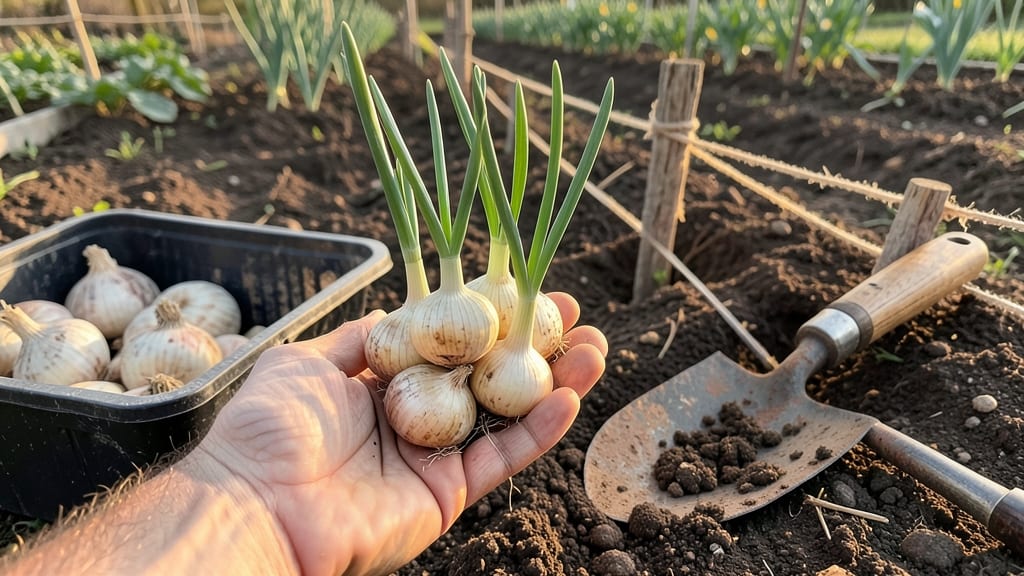
Timing your onion sets planting in Indiana can mean the difference between a bountiful harvest and wasted effort. The key is knowing exactly when to tuck those little 🧅 bulbs into the soil—before the last frost but not so early that they rot in cold, soggy ground.
Indiana’s USDA Zone 6a climate gives you two prime windows: early spring or late summer. Plant too soon, and frost will stall growth; wait too long, and your onions might never reach their full flavorful potential.
Let’s break down the frost-free timeline and soil prep secrets that’ll help your onions thrive.
You’ll discover how to read your local frost dates, prepare your garden bed for success, and even extend your harvest season. Whether you’re a first-time gardener or a seasoned green thumb, these insights will help you grow onions that are stronger, sweeter, and more abundant than ever before.
Ready to unlock the secrets of Indiana onion growing? Let’s get those sets in the ground at the perfect moment for a harvest you’ll be proud of.
Indiana onion set planting calendar: frost dates and soil temperature guide
Indiana’s USDA zones 5-6 create a unique growing window for onion sets, where timing directly impacts bulb size and flavor. The key is planting when soil temperatures hit 40°F (4°C)—cold enough to prevent sprouting too early but warm enough for quick root establishment once frost passes.
Northern Indiana (zone 5) typically experiences its last spring frost around April 15, while southern Indiana (zone 6) sees frost-free conditions by March 25.
These dates mark your planting window: aim to plant 2-3 weeks before the last frost for spring harvests or 8-10 weeks before the first fall frost (around September 20) for late-season bulbs.
Soil temperature is equally critical—onion sets need soil at 40-50°F (4-10°C) to germinate properly. Use a soil thermometer to verify before planting; if soil is colder, wait or use black plastic mulch to warm it faster.
Here’s your Indiana onion set planting calendar with frost dates, soil temps, and ideal planting windows:
| Region | Last Frost Date | Ideal Planting Window | Soil Temp Requirement | Harvest Window |
|---|---|---|---|---|
| Northern Indiana (Zone 5) | April 15 | March 15–April 5 | 40–50°F (4–10°C) | June 15–July 15 |
| Southern Indiana (Zone 6) | March 25 | February 25–March 20 | 40–50°F (4–10°C) | May 15–June 15 |
| Fall Planting (Both Regions) | October 15 | August 15–September 10 | 50–60°F (10–15°C) | October 1–November 1 |
For northern Indiana, start seeds or sets indoors in early March to transplant outdoors after the last frost. Southern Indiana gardeners can plant directly outdoors as early as late February, giving you a 2-week head start on the season.
Pro tip: Use straw mulch (2–3 inches) after planting to insulate roots from late frosts. This extends your planting window by 1–2 weeks without risking frost damage to tender shoots.
Onion sets are day-length sensitive, meaning they’ll bolt (flower prematurely) if exposed to too many long days. In Indiana, this means spring plantings (March–April) are ideal for bulb development, while fall plantings (August–September) avoid bolting entirely by harvesting before day lengths shorten.
If you’re unsure about your local frost dates, check the Indiana State Climate Office or use the National Weather Service’s frost prediction tool. Adjust your planting by 1 week earlier if your area tends to have later frosts than the average.
Once planted, maintain consistent moisture—onion sets need 1 inch of water per week—but avoid waterlogging, which causes rot. Use drip irrigation or soaker hoses to keep foliage dry and reduce disease risk.
🌱
Indiana onion set planting calendar: frost dates and soil temperature guide
Indiana’s USDA zones 5-6 mean onion sets need precise timing to avoid frost damage or stunted growth. The last average frost date in most of Indiana falls around April 15, but northern regions like Gary may experience frost until May 1.
Southern areas like Evansville can plant as early as March 15.
Soil temperature is just as critical—onion sets thrive when soil reaches 40°F (4°C) or warmer. Cold soil delays germination, so wait until mid-March to early April for most of the state. Use a soil thermometer to confirm readiness, especially in northern Indiana where spring arrives later.
For spring plantings, aim to get onion sets in the ground 2–3 weeks before your last frost date. This gives them time to establish roots before warmer weather arrives.
In northern Indiana, this might mean waiting until April 1, while southern Indiana gardeners can start as early as March 1.
Don’t forget about fall plantings for late-season harvests! Plant onion sets 8–10 weeks before the first frost (typically August 15–September 15). These bulbs mature slower in cooler weather but yield sweeter onions perfect for storage. Use row covers in late fall to protect from early frosts.
Pro tip: If your soil feels cold or wet, delay planting until conditions improve. Well-drained soil is non-negotiable—onion sets rot in soggy ground. Amend clay soil with compost or sand to improve drainage before planting.
🌱