
Plants
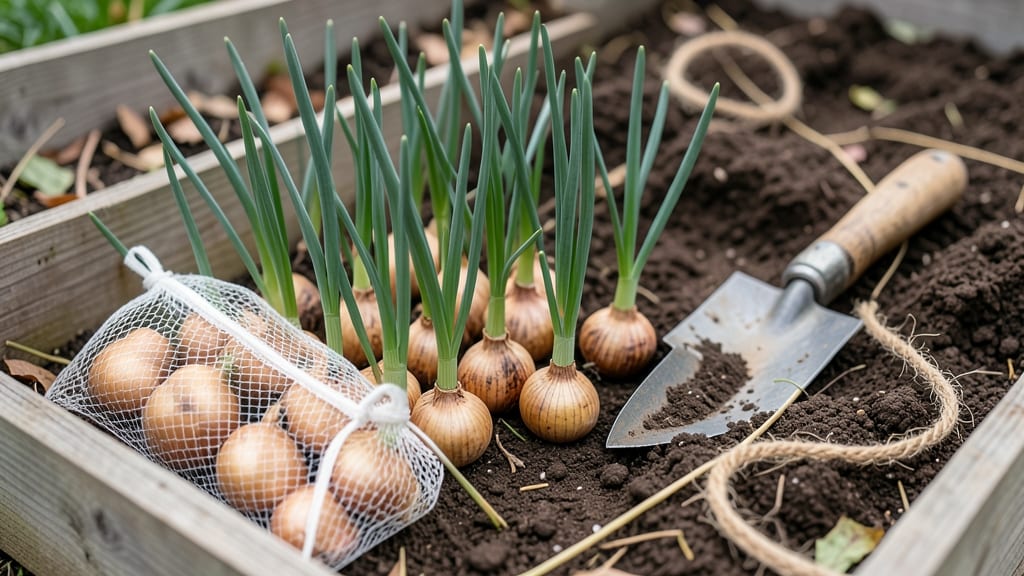
When to plant onion sets in Michigan can make or break your harvest—timing is everything. Plant too early, and frost will nip your seedlings in the bud; too late, and you’ll miss the sweet spot for plump, flavorful bulbs by harvest.
Michigan’s Zone 5b-6a climate gives you two prime windows—early spring or fall—but getting it wrong can leave you scratching your head come July. Whether you’re a first-time gardener or a seasoned green thumb, nailing the schedule is the key to avoiding common pitfalls like stunted growth or bolting.
I’ve tested the best planting dates across Michigan’s regions, from the Upper Peninsula’s cooler pockets to the Lower Peninsula’s slightly milder zones. By the end, you’ll know exactly when to pop those Onion sets into the soil for maximum success—no guesswork, just results.
Ready to learn how to outsmart Michigan’s fickle weather? Let’s dive into the perfect planting calendar and pro tips to ensure your Onion harvest shines brighter than a summer picnic.
Best planting windows for onion sets in Michigan (Zone 4-5)
Onion sets thrive in Michigan’s Zone 4-5 climate, but precise timing prevents frost damage or poor bulb development. Spring planting offers the most reliable harvest, while fall planting extends your growing season. Let’s break down the optimal windows and regional variations.
For spring planting, aim to plant onion sets 4-6 weeks before your last frost date—typically mid-March to early April in most of Michigan. This gives bulbs enough time to mature before summer heat. In Upper Michigan (Zone 4), wait until late April to avoid early frost risks.
Fall planting is trickier but works if you plant 8-10 weeks before the first frost, usually mid-September to early October. Fall onions mature the following summer, offering an early harvest. However, they’re riskier due to unpredictable late frosts.
| Planting Window | Ideal Months | Soil Temp Threshold | Key Consideration |
|---|---|---|---|
| Spring Planting | Mid-March to Early April | 40°F (4°C) or above | Avoid late frosts; bulbs need 90-120 days to mature. |
| Fall Planting | Mid-September to Early October | 50°F (10°C) or above | Risk of winter kill; mulch heavily for protection. |
| Late Spring Backup | Late April to May | 45°F (7°C) or above | Smaller bulbs; harvest earlier in summer. |
Soil temperature is critical—onion sets won’t sprout well in cold, wet soil. Wait until the ground warms to at least 40°F (4°C) for spring planting. Use a soil thermometer to check; most garden centers sell them for under $10.
In Lower Michigan (Zone 5), you can plant as early as late February under row covers or cold frames to jumpstart growth. This early start can shave weeks off your growing season, giving you a head start on harvest.
For fall planting, prioritize varieties with shorter maturity times (like 'Red Baron' or 'Sweet Sandwich') to ensure bulbs mature before winter. Mulch with straw or leaves to insulate roots from freezing temperatures.
Always check your local frost dates—Michigan’s climate varies wildly. The Michigan State University Extension provides free frost date maps for your specific county. A few degrees difference can mean the difference between a thriving crop and a failed harvest.
Pro tip: If you’re unsure about timing, plant a test row 2-3 weeks early. This lets you monitor growth and adjust your full planting schedule accordingly. Onion sets are forgiving if planted correctly—don’t let hesitation cost you a season!
How to adjust onion set planting for Michigan’s unpredictable weather
Michigan’s weather is famously unpredictable, and onion sets are especially vulnerable to late frosts or early thaws. Even with perfect timing, a sudden cold snap can ruin your crop. The key is flexibility—having backup strategies to protect your onions when Mother Nature throws curveballs.
Start by monitoring weekly frost forecasts from the National Weather Service or your local MSU Extension office. Sign up for alerts so you can act fast. If a hard freeze is predicted after planting, cover your rows immediately with frost blankets or lightweight row covers.
These create a 10°F buffer, often enough to save tender seedlings.
For late spring plantings (after your ideal window), choose shorter-day varieties like '1015Y Yellow', which mature faster in cooler conditions. Plant them 1-2 inches deeper than usual—the extra soil insulates roots and helps them survive brief cold snaps.
Never plant onion sets before mid-March in most of Michigan—even if soil looks workable. Young onions can’t survive below 28°F (-2°C). If you’re tempted to plant early, use black plastic mulch to warm the soil faster, but still wait for consistent daytime temps above 40°F (4°C).
Pro move: Test soil temp with a thermometer at soil level, not air temp. A sunny day can fool you—soil stays cold longer.
If an early fall frost threatens your spring-planted onions, harvest them green (when 4-6 inches tall) and store in the fridge. They’ll keep for weeks and can be used like scallions.
For fall-planted sets, apply a 4-inch layer of straw mulch before the first frost to protect bulbs through winter.
For extended cold snaps in spring, try succession planting in stages. Plant 1/3 of your sets every 2 weeks from March through early April. This way, if the first batch gets nipped, later plantings will still thrive as temps rise.
Watering also becomes critical during Michigan’s erratic spring rains. Onion sets rot in waterlogged soil, but drought stress weakens them for frost. Aim for 1 inch of water per week, delivered in the morning to let soil dry slightly by evening.
Use a drip irrigation system to avoid wetting foliage, which spreads disease.
Finally, keep a planting journal to track what works in your microclimate. Note frost dates, soil temps, and variety performance. Over time, you’ll spot patterns—like why your Upper Peninsula garden needs onions planted 2 weeks later than your Lower Peninsula plot. Adjust your schedule yearly based on your data.