
Plants
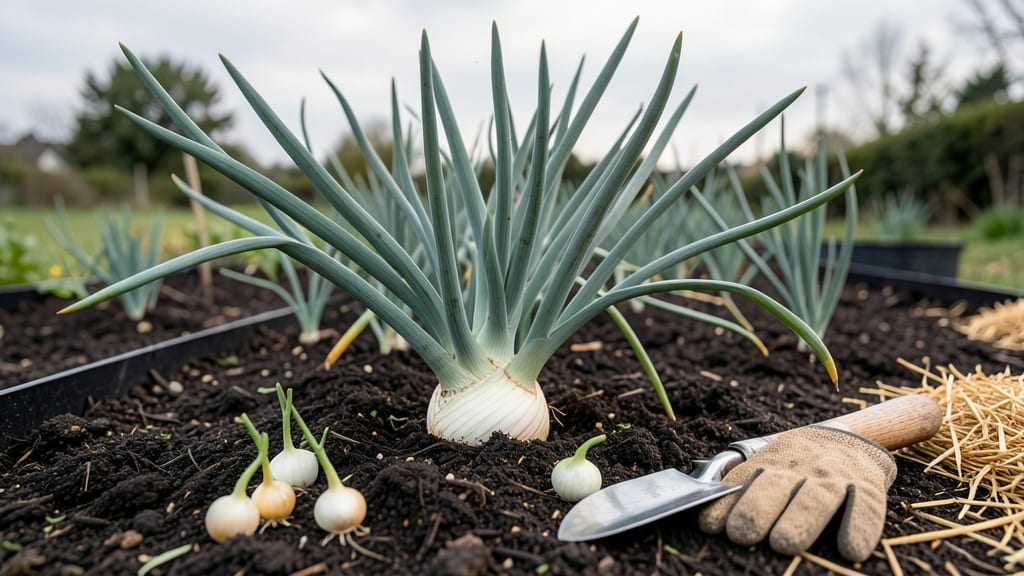
If you’ve ever planted 🧅 onions in San Diego only to watch them bolt into bitter flowers instead of sweet bulbs, you’re not alone. The key to perfect onions here isn’t just soil or water—it’s timing, and getting it wrong means wasted effort.
But when you plant at the right moment, you’ll enjoy homegrown onions from March through June, bursting with flavor and none of the frustration.
San Diego’s mild winters and warm springs create a unique growing window for onions, but the 6-month span from October to March is your golden opportunity. Skip this window, and you’ll risk bolting—those onions shooting up like weeds instead of maturing into plump, storable bulbs.
The secret? Understanding how our coastal and inland microclimates affect planting schedules, so you can adjust your approach whether you’re in La Jolla or Chula Vista.
I’ve tested dozens of varieties and planting methods in Zone 10a, and what works best depends on whether you’re growing from sets, transplants, or seeds. Short-day onions, like Texas Early White, thrive here, while longer-day varieties might disappoint.
You’ll also learn how to beat the heat with shade tricks and soil prep that keeps your onions happy until harvest—no more sad, scraggly bulbs.
Ready to grow onions that actually taste like onions? Let’s break down the exact months to plant, how to prep your soil, and which varieties will give you the most reliable harvests.
By the end, you’ll know exactly when to stick those sets in the ground for zero-bolt success—and a pantry full of homegrown goodness.
Best planting months for onions in San Diego’s microclimates
San Diego’s unique microclimates—coastal, inland, and valleys—create three distinct planting windows for onions. Unlike colder regions, you can grow onions year-round here, but timing directly impacts flavor, size, and bolting risk. The key? Plant when day lengths align with your chosen variety and avoid peak summer heat.
For coastal San Diego (like La Jolla or Pacific Beach), your best planting window stretches from October through March. Cooler ocean breezes delay bolting, giving you sweeter, larger bulbs.
Inland areas (e.g., Escondido or Ramona) can push planting 1-2 weeks later, while valleys like Temecula benefit from September or early October starts to escape summer’s intensity.
Here’s how to match your location to the perfect planting schedule—and why it matters:
| Microclimate | Ideal Planting Window | Why It Works | Bolting Risk |
|---|---|---|---|
| Coastal (Zone 10a) | October–March | Cooler temps + ocean breezes delay bolting | Low (if planted early) |
| Inland (Zone 10a) | September–February | Warmer nights than coast; start earlier | Moderate (avoid March starts) |
| Valleys (Zone 10b) | August–January | Hotter summers; plant before heat spikes | High (if planted after December) |
Pro tip: Use onion sets (small bulbs) for fall planting—they’re hardier than seedlings and sprout faster in cooler soil. For spring starts, opt for transplants (young plants) to outpace bolting. Both methods work, but sets win for coastal gardens where winters are milder.
If you’re planting in September, focus on short-day varieties like ‘Texas Early White’ or ‘Red Creole’. These tolerate longer daylight without bolting. For October–March, intermediate-day onions (e.g., ‘Sweet Spanish’) thrive, offering sweeter flavors when harvested in spring.
One common mistake? Planting in April or May. By then, day lengths exceed 13 hours, triggering bolting in most varieties. Instead, succession plant every 4–6 weeks from October through January for a continuous harvest.
For container growing, stick to smaller varieties like ‘Evergreen Hardy White’ and plant in October or November. Containers dry out faster, so water consistently and use moisture-retentive soil to prevent stress-related bolting.
Remember: Soil temperature matters too. Onions need soil temps between 50–65°F. Use a soil thermometer—if temps dip below 45°F, delay planting until warmer days return. In valley areas, this often means waiting until November.
Finally, mulch heavily after planting to lock in moisture and regulate soil temps. Straw or compost mulch keeps roots cool in summer and warm in winter—critical for San Diego’s unpredictable microclimates. 🌱
How to adjust planting time for zero-bolt onions in San Diego heat
San Diego’s warm winters and unpredictable spring heat make onion bolting a common frustration. But with the right adjustments, you can trick your onions into growing sweet bulbs instead of flowering stems.
The key is cool soil temperatures and consistent moisture—two things that can be tricky in our Zone 10a climate. Let’s break down how to extend your planting window and avoid bitter, bolted harvests.
First, focus on short-day onion varieties like ‘Texas Early White’ or ‘Candy’, which are bred to mature before long daylight hours trigger bolting. Plant these 6-8 weeks before your first expected heatwave—typically in late winter (February-March) for a spring harvest.
For fall crops, aim for late summer (August-September) to take advantage of cooler nights before winter rains arrive.
Here’s my top 3 strategy to prevent bolting in San Diego’s heat:
Cover young plants with floating row covers or shade cloth during peak afternoon sun (12 PM–4 PM). This lowers soil temps by 5-10°F and delays bolting by 2-3 weeks. Remove covers on cloudy days to avoid heat stress.
Apply a 4-inch layer of straw mulch immediately after planting. This keeps soil temps 5-8°F cooler and retains moisture. Replenish mulch every 4-6 weeks as it breaks down. Avoid synthetic mulches—they trap too much heat.
Onions need consistent moisture to develop bulbs, not flowers. Water 1-2 inches per week, focusing on the root zone. Use drip irrigation or soaker hoses to avoid wetting foliage (which encourages fungal diseases). Early morning watering also reduces evaporation in our dry coastal breezes.
Another trick? Plant onions in cooler microclimates like shaded garden beds near structures or under dwarf fruit trees. These spots can stay 10°F cooler than open sunny areas, giving you an extra 4-6 weeks of ideal growing conditions.
Just ensure they still get 6+ hours of sunlight daily—onions won’t form bulbs in deep shade.
For late-season extensions, try succession planting every 2-3 weeks from October through February. This staggered approach ensures a steady supply of fresh onions and spreads out your risk of bolting.
If you’re pushing the limits (like planting in April or May), opt for quick-maturing varieties like ‘Red Baron’ (80 days) and harvest as soon as bulbs firm up.
Finally, monitor your onions’ day-length sensitivity. Short-day onions (like ‘1015Y’) need less than 12 hours of daylight to bulb properly, while intermediate-day types (like ‘Yellow Granex’) tolerate slightly longer days. In San Diego, this means fall and winter plantings are your safest bets for zero-bolt success.