
Plants
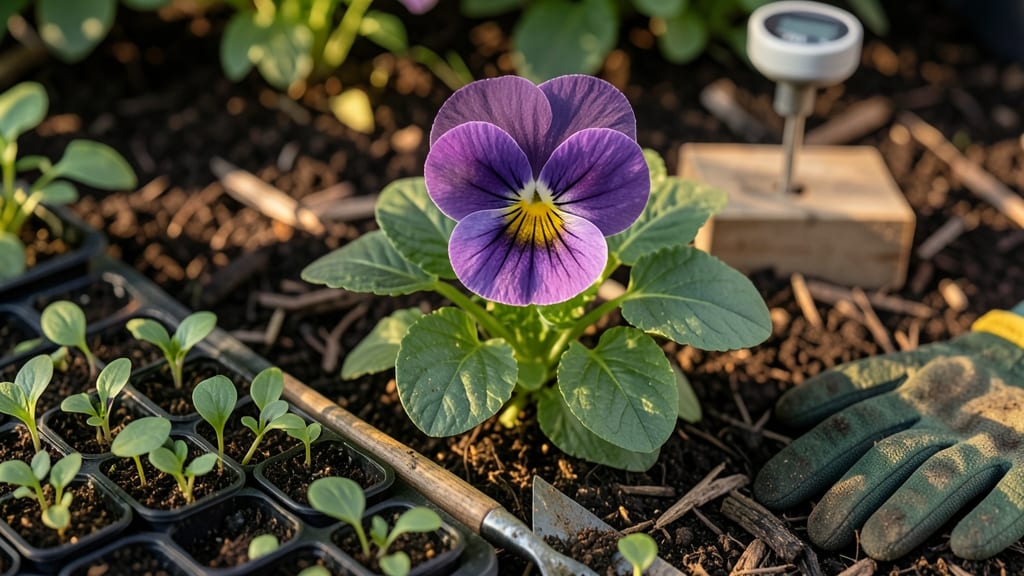
Australia’s pansy planting zones: best months by climate region
Australia’s climate zones create unique planting windows for pansies, with temperate regions offering the longest blooming seasons. Unlike cooler climates, subtropical and tropical zones can grow pansies year-round with proper care. Let’s break down the ideal planting months for each zone to maximize your vibrant floral displays.
In temperate zones like Victoria, Tasmania, and parts of NSW, pansies thrive when planted 6-8 weeks before the first frost (typically August-September). For autumn blooms, aim for February-March to enjoy color until winter. These regions experience cool winters and mild summers, making them perfect for pansies.
Subtropical zones (e.g., Brisbane, Gold Coast) have warmer winters, allowing pansies to be planted year-round. However, spring (September-October) and early autumn (March-April) are ideal for peak blooms. Choose heat-tolerant varieties like 'Matrix' or 'Cool Wave' to handle occasional heat spikes.
In tropical zones (e.g., Darwin, Cairns), pansies can grow almost year-round, but avoid extreme heat (December-February). Plant in partial shade during summer and full sun in cooler months. Succession planting every 2-3 months ensures continuous color.
For arid inland regions (e.g., central Australia), pansies struggle due to low humidity and high heat. If attempting to grow them, plant in early autumn (March-April) or late winter (July-August), using well-draining soil and shade cloth during peak summer.
🌸 Pansy Planting Guide by Australian Climate Zone
| Zone | Best Planting Months | Key Notes |
|---|---|---|
| Temperate (Melbourne, Adelaide, Hobart) | August-October (spring) & February-March (autumn) | Plant 6-8 weeks before frost; avoid summer heat. |
| Subtropical (Brisbane, Sydney coast) | September-October & March-April (year-round possible) | Use heat-tolerant varieties; partial shade in summer. |
| Tropical (Darwin, Cairns) | March-April & August-September (avoid Dec-Feb) | Partial shade in summer; succession plant every 2-3 months. |
| Arid Inland (Alice Springs, Broken Hill) | March-April or July-August (limited success) | Use shade cloth; well-draining soil only. |
Coastal areas often have milder microclimates than inland regions. For example, Sydney’s coastal suburbs can plant pansies 1-2 weeks later than inland NSW due to cooler ocean breezes. Always check your local frost dates—tools like the Bureau of Meteorology provide frost-free zone maps.
For container gardening, timing shifts slightly. Pansies in pots can be planted 2-3 weeks later than in-ground plants because containers warm up faster in spring. However, they also dry out quicker, so monitor soil moisture closely in hotter months.
Pro tip: Test soil pH (ideally 6.0-7.0) before planting. Amend with compost or lime if needed—pansies struggle in acidic soil. A simple DIY soil test (vinegar + baking soda) can save you from poor growth.
Remember, pansies are cool-season lovers. In hotter climates, prioritize morning sun and afternoon shade to prevent wilting or bolting. With the right timing, your garden can burst with color from spring to autumn—or even year-round in subtropical zones!
How to extend pansy blooms year-round using succession planting
Succession planting is my secret weapon for keeping pansies blooming from spring to autumn—even in Australia’s tricky climate. Instead of one big planting, I stagger my efforts to create a continuous floral display that outlasts seasonal changes.
This method works especially well in temperate zones like Sydney and Melbourne, where cool winters and warm springs create perfect pansy conditions.
Start by planning three key planting windows: early spring (August), late spring (September-October), and early autumn (February-March). Each wave ensures fresh blooms replace spent flowers, giving you non-stop color without gaps. For subtropical areas like Brisbane, focus on autumn and winter plantings to avoid summer heat stress.
Here’s my proven succession planting schedule for maximum impact:
Plant heat-tolerant varieties like 'Matrix' or 'Cool Wave' for summer blooms. Use well-draining soil with compost.
Add frost-resistant types for autumn color. Space plants 8-10 inches apart to prevent disease.
Choose cool-season pansies for winter/early spring blooms. Mulch heavily to protect roots.
Interplant with slow-growing perennials like sweet alyssum to fill gaps while pansies mature.
For tropical zones, skip summer planting entirely—pansies hate humidity and heat. Instead, focus on autumn and winter plantings when temperatures drop below 25°C (77°F). In arid regions like Perth, use drip irrigation to keep soil moist during dry spells.
Pro tip: Deadhead spent blooms every 2 weeks to encourage new flowers. I also rotate varieties by color—purples in spring, yellows in autumn—to create visual interest. This simple trick keeps my garden looking fresh all season long!
With this method, I’ve had pansies blooming for 8+ months straight—even in challenging climates. The key is adapting to your local weather while keeping a steady supply of fresh plants in the ground.