
Plants
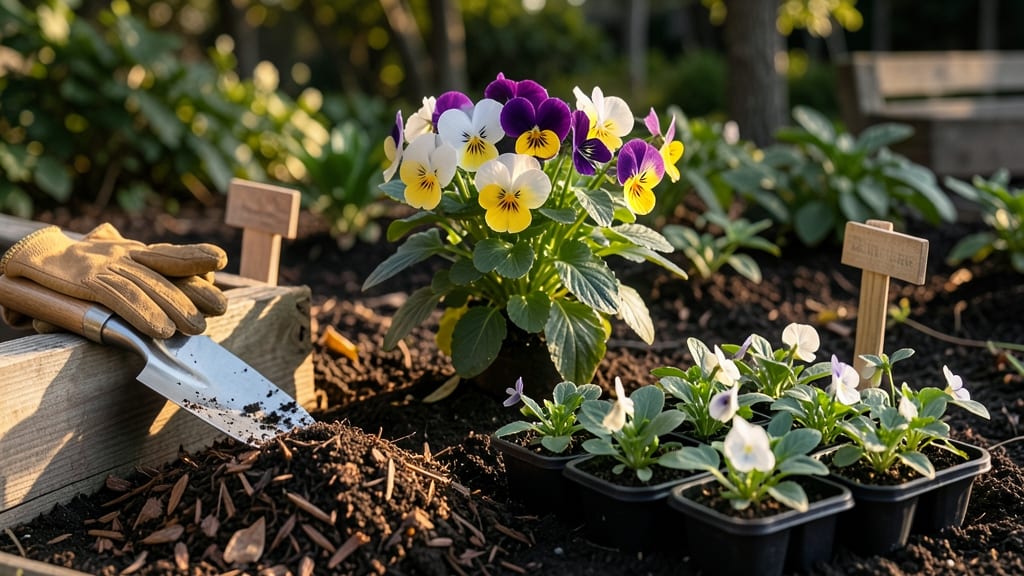
If you’ve ever planted pansies in New England only to watch frost wipe out your colorful blooms, you’re not alone—but there’s a smarter way. Knowing when to plant pansies in New England means the difference between year-round color and wasted effort, especially in USDA Zones 5a-6b where frost lingers unpredictably.
The secret lies in timing: late summer to early fall (August-September) or early spring (March-April). These windows let you beat frost while giving your 🌸 pansies the best chance to thrive.
Whether you’re aiming for spring blooms or fall color, planting at the right time ensures your garden stays vibrant longer.
I’ll walk you through the exact dates for your zone, plus soil prep and care tips to keep your pansies flourishing. No more guessing—just a foolproof plan for New England’s tricky climate.
Ready to transform your garden into a year-round display? Let’s dive into the best planting schedule for your region.
New England pansy planting calendar: exact dates by USDA Zone 5-7
New England’s USDA Zones 5-7 create unique challenges for pansy lovers, with first frost dates ranging from mid-October in Zone 5a to early November in Zone 6b. The key to success? Planting pansies at the right time to maximize blooms before winter sets in or after spring frost risks pass.
For spring blooms, aim to plant 4-6 weeks after your last frost date—typically mid-April to early May. For fall color, plant 6-8 weeks before the first frost, usually late August through early September. These windows ensure your 🌸 pansies establish roots but avoid frost damage.
I’ve broken down the exact planting dates by zone below, plus soil temperature thresholds to guide your timing. Remember: cooler soil speeds up germination, so wait until soil reaches 45-50°F for spring planting or 50-55°F for fall.
Zone 5a (northern New England) has the shortest growing season, while Zone 6b (southern New England) offers more flexibility. Use this calendar to align your planting with local frost dates and enjoy year-round color.
For Zone 5a gardeners, focus on late August
How to extend pansy blooms year-round: fall planting vs. spring planting strategies
New England’s short growing season can make it tricky to enjoy pansies year-round, but with the right planting timing, you can have blooms from early spring through late fall. The key?
Planting in both fall and spring—a strategy I’ve used to keep my garden vibrant even during chilly months. Fall-planted pansies often survive winter and burst into color first thing in spring, while spring plantings extend your display into autumn.
Fall planting (September-October) gives your pansies a head start, letting them establish roots before winter dormancy. Spring planting (April-May) ensures you have color when summer heat arrives. Both methods work, but each has trade-offs depending on your zone and goals.
Let’s break down the pros and cons so you can choose what works best for your garden.
Fall Planting (September-October)
- Earlier spring blooms
- Survives winter with mulch
- Less competition from weeds
- Risk of early frost damage
- Requires frost protection
- Slower establishment
Spring Planting (April-May)
- Longer bloom time in summer
- No frost risk
- Faster growth and color
- Misses early spring color
- More weed competition
- Summer heat stress risk
For fall planting, aim for 4-6 weeks before your first frost—typically late August to early September in most of New England. Choose hardy varieties like 'Ice Dance' or 'Soraya', which tolerate cold better than others.
After planting, apply a 2-3 inch layer of mulch to insulate roots and retain moisture. In Zone 5, you might need row covers or cloches for extra protection during unexpected cold snaps.
Spring planting is simpler but requires patience. Wait until 2-3 weeks after your last frost date—usually mid-April to early May—to plant. This gives the soil time to warm up and reduces the risk of frost damage.
If you’re in Zone 6 or 7, you can push it slightly earlier, but always check your local frost forecast. For both seasons, partial shade in afternoon helps prevent heat stress during summer months.
My favorite trick? Plant a mix of both! Start with fall pansies in September for early spring color, then add spring pansies in April to extend blooms into autumn.
This creates a seamless transition and keeps your garden looking lively all season long. Just remember: water consistently and fertilize lightly every 4-6 weeks to keep your pansies thriving.
With these strategies, you’ll enjoy year-round pansy blooms—no more gaps in your garden’s color palette! The secret is in the timing, and now you’ve got the tools to make it work in New England’s climate. Happy planting! 🌸