
Plants
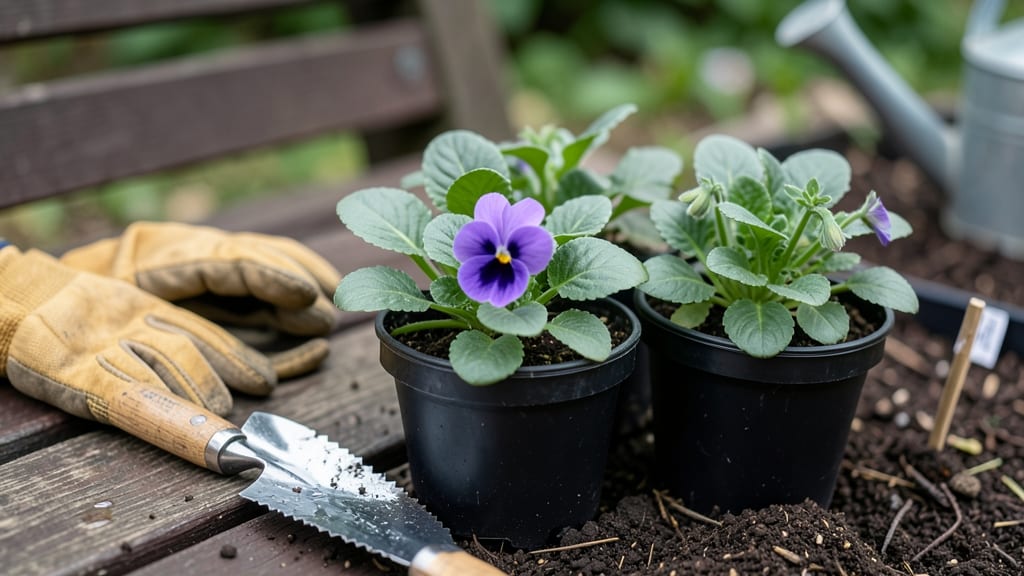
Timing your pansy 🌸 planting in New York isn't just about following a calendar—it's about outsmarting frost dates that can turn your garden dreams into icy disappointments.
Whether you're in the chilly Zone 5a hills or the milder Zone 7b coastal areas, getting those seeds or seedlings in the ground at the right moment means the difference between a vibrant spring display and a sad, frozen mess.
Here's the secret: New York's first frost sneaks in around October 15 on average, but that date shifts dramatically depending on where you live. Plant too early, and your pansies might bolt in the heat; too late, and they'll never establish roots before winter sets in.
The key is knowing your local frost window—and I've got the exact planting schedule tailored to your region, so you can enjoy those cheerful blooms from fall right through spring.
We're talking about two perfect windows: late summer to early fall (August-September) for fall color, and early spring (March-April) for that burst of springtime cheer. But it's not just about dates—soil prep, spacing, and even variety choices make all the difference in New York's unpredictable climate.
Let me show you exactly how to set up your pansies for success, so you can enjoy their 4-8 inch charms without the guesswork.
From the Hudson Valley to Long Island, I'll walk you through the regional adjustments you need to make. We'll cover everything from soil amendments that keep roots happy through temperature swings to the best cold-hardy varieties that actually thrive in our 5a-7b zones.
Get ready to transform your garden into a year-round color show—starting with the perfect planting timing.
New York frost-date calendar for pansies: planting windows by region
New York’s USDA Zones 5a–7b create unique challenges for pansy planting, with frost dates shifting dramatically across regions. Unlike heat-loving annuals, pansies thrive in cool weather and can even survive light frosts, making timing everything for vibrant blooms from fall to spring.
For fall blooms, aim to plant pansies 4–6 weeks before your average first frost. In Zone 5a (e.g., Adirondacks), this means mid-August to early September, while Zone 7b (e.g., NYC metro) allows planting until mid-October.
Spring planting should happen 6–8 weeks before your last frost, typically March in Zone 5a and late February in Zone 7b.
Here’s how to adapt your planting schedule based on New York’s microclimates. Whether you’re in the Hudson Valley, Long Island, or Western NY, these frost-date adjustments will help you avoid frost damage and maximize bloom time.
| Region | USDA Zone | Fall Planting Window | Spring Planting Window | First Frost Date | Last Frost Date |
|---|---|---|---|---|---|
| NYC Metro (Bronx, Queens) | Zone 7b | Late Aug–Mid Oct | Late Feb–Early Mar | Oct 15 | Apr 1 |
| Hudson Valley (Poughkeepsie) | Zone 6a | Mid Aug–Early Oct | Early Mar | Oct 10 | Apr 10 |
| Long Island (Nassau/Suffolk) | Zone 7a | Late Aug–Late Oct | Late Feb–Mar | Oct 12 | Apr 5 |
| Western NY (Buffalo/Rochester) | Zone 5b | Early Aug–Mid Sep | Early–Mid Mar | Oct 5 | May 1 |
| Adirondacks (Lake Placid) | Zone 5a | Mid–Late Jul | Late Mar–Early Apr | Sep 25 | May 15 |
Pro tip: Use mulch (2–3 inches of straw or shredded leaves) after planting to insulate pansies from temperature swings. This buys you an extra 2–3 weeks of protection before winter sets in, especially in Zone 5a where early frosts are common.
For spring planting, wait until soil temperatures rise above 40°F to avoid root rot. In Zone 7b, this often aligns with late February, while Zone 5a gardeners should hold off until mid-March.
Always check your local Almanac frost dates—they’re updated annually and account for climate shifts.
If you’re in a warmer microclimate (e.g., urban heat islands in NYC), pansies may bolt in summer heat. Opt for shadier spots or choose heat-tolerant varieties like ‘Matrix’ or ‘Sorbet’ to extend their season
How to extend pansy blooms: soil prep and spacing secrets for NY gardens
Pansies thrive in New York’s cool seasons but need the right soil prep to survive temperature swings. Start by testing your soil pH—pansies prefer 6.0 to 7.0. If your soil is too acidic, mix in lime (1 lb per 100 sq ft) 2-3 months before planting.
For heavy clay soils common in Western NY, amend with compost or sand to improve drainage.
Drainage is critical: pansies rot easily in soggy soil. Raised beds or mounded soil work well for areas with poor drainage, like parts of Long Island. Add a 2-inch layer of organic mulch (straw or shredded leaves) after planting to insulate roots and retain moisture without suffocating plants.