
Plants
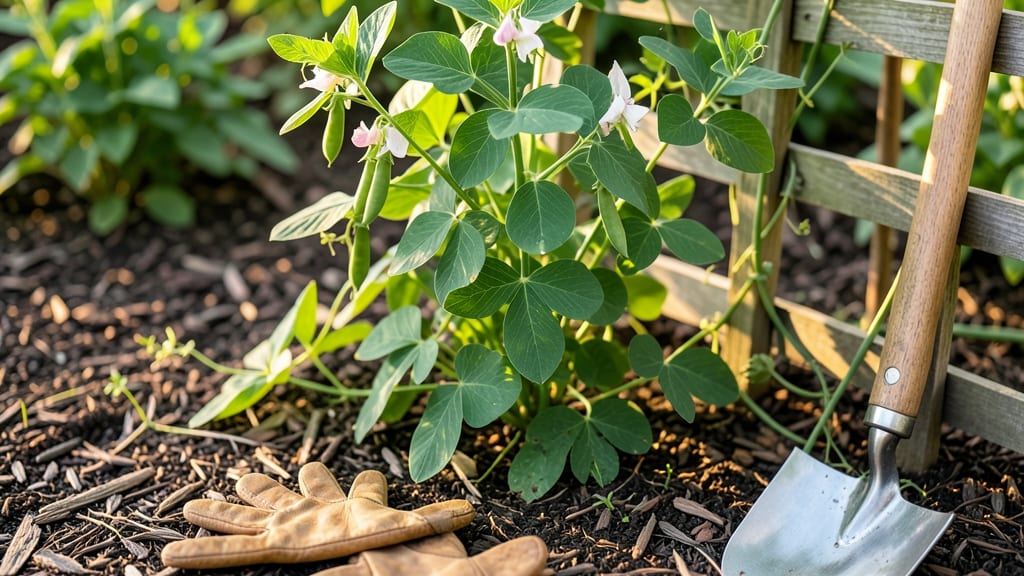
Timing your pea planting in New York can make the difference between a bountiful harvest and a wasted effort—especially when frost sneaks up faster than you think. The key is knowing exactly when to sow those 🌱 peas for tender pods by late spring, whether you're in NYC or Upstate.
For gardeners in zones 5b-7a, the ideal window is 4-6 weeks before your last frost, typically mid-March to early April. But don't rush—soil that's still chilly can stall germination, leaving you with leggy, weak plants.
The secret? Wait until the ground reaches 40°F and the forecast shows no more hard freezes.
Here's what you need to know: Planting too early risks frost damage, while waiting too long means missing the spring harvest window. I'll break down the exact dates for your region, plus how to extend your growing season for a fall crop too.
Let's get those peas in the ground at the perfect moment.
Whether you're a first-time gardener or a seasoned pro, these New York-specific tips will help you avoid common mistakes and enjoy fresh peas straight from your garden. Ready to dig in?
New York pea planting calendar: exact dates by region (Upstate vs NYC)
New York’s diverse climate means pea planting dates vary dramatically from New York City to Upstate regions. While NYC gardeners can start as early as late March, Upstate areas like Buffalo should wait until mid-April to avoid frost damage.
Understanding your USDA Zone (5b-7a) and local frost patterns is key to timing your plantings perfectly.
Peas thrive in cool soil temperatures (40–85°F), but germination slows below 50°F. In Zone 6 (Upstate), aim for soil temps above 45°F—typically early April—while Zone 7 (NYC/Long Island) can start 2–3 weeks earlier.
Fall plantings should begin 8–10 weeks before your first frost, usually early August.
Here’s your region-specific planting timeline to maximize yields and avoid common pitfalls like frost damage or overcrowding.
For Upstate gardeners, late April is your best bet—planting earlier risks soil temps too cold for germination, while NYC gardeners can squeeze in one early spring and one fall harvest with proper timing.
Always check your local Almanac frost dates for the most accuracy, as microclimates can shift planting windows by 1–2 weeks.
Pro tip: Use row covers to extend your spring planting window by 2–3 weeks in colder regions. These lightweight fabrics protect young plants from late frosts while allowing sunlight and water through. I’ve used them in Zone 6 to start peas as early as mid-March!
Peas are cool-season crops, so they’ll bolt (flower prematurely) if exposed to heat above 80°F. That’s why fall plantings work so well—soil stays cooler, and you avoid summer’s scorching temps. For a continuous harvest, stagger plantings every 2 weeks in spring or 3 weeks in fall.
One mistake I see often? Planting too close together. Peas need 2–3 inches of space between plants (or rows 12–18 inches apart) to avoid disease spread and poor air circulation.
Crowded peas also compete for nutrients, leading to smaller yields. Use a trellis or stakes to save space and improve airflow.
In Zone 7 (NYC/Long Island), I’ve had success with sugar snap peas planted in early March under row covers, followed by a second planting in late July for a fall harvest.
The key is soil prep: amend your beds with compost and a balanced fertilizer (5-10-10) before planting to give roots a nutrient boost.
If you’re in doubt about your frost dates, use a planting calendar like the National Garden Association’s or check your local Cooperative Extension Service for hyper-local advice. For example, Buffalo’s last frost often hits 2 weeks later than NYC’s—so don’t rush your Upstate plantings!
Remember: Peas are fast growers—most varieties mature in 50–70 days. That means a late April planting in Upstate could yield peas by early June, just in time for summer salads
How to time pea planting for maximum yields: soil prep and variety tips
Peas thrive in cool weather, making them perfect for New York’s early spring and late summer gardens. To maximize yields, I focus on two key factors: soil preparation and choosing the right varieties for our region’s climate.
Let’s start with soil—peas need well-draining, slightly acidic soil with a pH between 6.0 and 7.5. If your soil is heavy clay or compacted, mix in compost or aged manure 2–3 weeks before planting to improve drainage and fertility.
For variety selection, I prioritize cold-hardy types like Sugar Snap or Wando for spring planting, as they tolerate light frosts down to 25°F. In late summer, opt for heat-tolerant varieties such as Oregon Sugar Pod or Lincoln, which handle warmer temperatures better.
Both types benefit from trellises or cages, as they encourage upward growth and prevent soil-borne diseases.
- Test soil pH: Aim for 6.0–7.5 (use a simple test kit).
- Amend soil: Add compost or aged manure 2–3 weeks before planting.
- Choose varieties: Cold-hardy for spring (e.g., Sugar Snap), heat-tolerant for fall (e.g., Oregon Sugar Pod).
- Plant depth: Sow seeds 1 inch deep, 2–3 inches apart, in rows 18–24 inches apart.
- Use trellises: Supports vines and improves air circulation.
- Succession plant: Sow every 2 weeks from spring to early summer for continuous harvests.
Succession planting is my secret to extending harvests. In New York, I make 2-week intervals from mid-March through early June. This ensures a steady supply of fresh peas without overwhelming my garden at once.
For fall plantings, I start seeds indoors 8–10 weeks before the first frost (typically late July) and transplant outdoors in early August.
Watering is another critical factor. Peas need consistent moisture, especially during flowering and pod development. I water deeply in the morning to avoid fungal issues and mulch with straw to retain soil moisture.
Overhead watering at night can lead to powdery mildew, so I always water early in the day.
Finally, don’t overlook pest control. Slugs and pea weevils are common in New York gardens. I use diatomaceous earth around plants and handpick weevils in the morning. Companion planting with radishes or onions also deters pests naturally while adding diversity to my garden.
With the right soil prep, variety choices, and consistent care, you’ll enjoy abundant pea harvests from spring through fall. The key is patience—peas take 50–70 days to mature, but the wait is worth it for those sweet, crisp pods straight from your garden! 🌱