
Plants
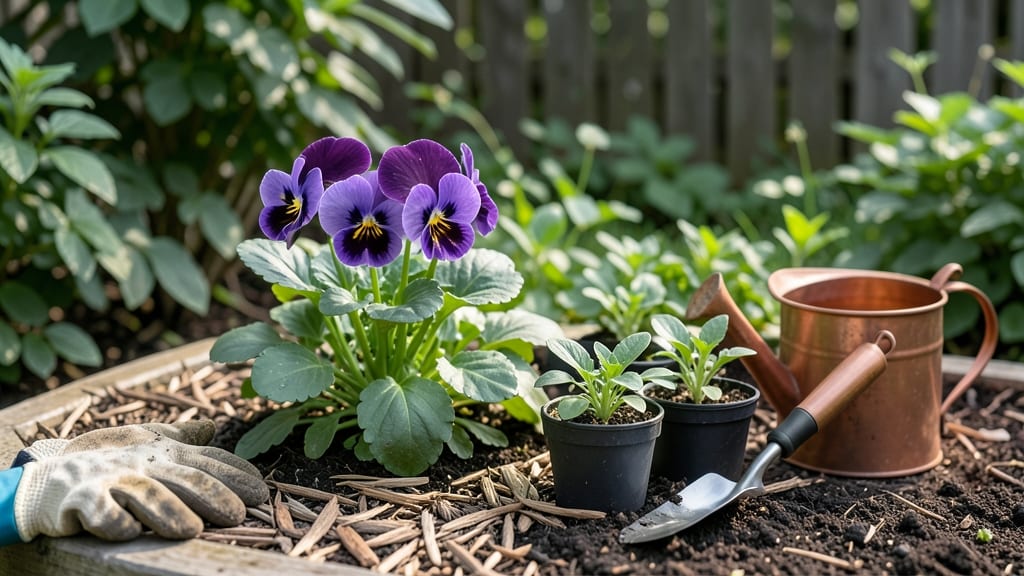
Planting pansies in Colorado can feel like playing a high-stakes game of freeze tag with Mother Nature—but getting the timing right means vibrant blooms from spring to fall.
The key to success lies in understanding your local frost dates, whether you're in Denver's urban heat islands or the cooler mountain valleys.
Most Colorado gardeners know pansies thrive in USDA zones 5-7, but the real secret is planting 6-8 weeks before the first frost for fall blooms or 4-6 weeks before the last frost in spring.
That window typically means late August for fall planting or early April for spring, but your exact dates depend on elevation and microclimates.
What many gardeners overlook is how to extend that blooming season without risking frost damage. With the right strategies—like using row covers or choosing cold-hardy varieties—you can push those 🌸 pansies to bloom well into November or even overwinter for early spring color.
I’ll walk you through the exact planting schedule for your region, plus foolproof tips to avoid common mistakes that turn your pansy patch into a sad, frosted mess. Let’s make sure your garden stays colorful all season long!
Colorado’s ideal pansy planting windows: frost-date breakdown by region
Colorado’s diverse microclimates mean your pansy planting window can vary by hundreds of miles. The Front Range (Denver, Boulder) typically sees its last frost around April 15, while Eastern Plains (Fort Collins, Greeley) may wait until May 1.
Meanwhile, mountain regions (Aspen, Durango) can experience frost well into June. Planning ahead ensures your pansies thrive without frost damage.
For spring blooms, aim to plant 4-6 weeks before your area’s last frost date. This gives your pansies time to establish roots before warm weather arrives. In Colorado’s USDA Zones 5-7, this usually translates to late March or early April for most regions.
However, high-altitude gardens (above 7,000 feet) should wait until mid-to-late April to avoid late frosts.
Fall planting is trickier but equally rewarding. To enjoy autumn and early winter blooms, plant 6-8 weeks before your first frost date. For Denver and nearby areas, this means late August to early September.
In warmer Western Slope regions (Grand Junction, Colorado Springs), you can push it to mid-September. Timing is critical—plant too late, and frost will nip your pansies before they bloom.
Here’s a quick region-by-region breakdown to simplify your planning:
| Region | Last Frost Date | Ideal Spring Planting Window | First Frost Date | Ideal Fall Planting Window |
|---|---|---|---|---|
| Front Range (Denver, Boulder) | April 15 | Late March–Early April | October 15 | Late August–Early September |
| Eastern Plains (Fort Collins, Greeley) | May 1 | Late April | October 1 | Mid-August–Late August |
| Western Slope (Grand Junction, Colorado Springs) | April 1 | Late March | November 1 | Mid-September |
| Mountain Regions (Aspen, Durango) | June 15 | Mid-to-Late April | September 15 | Early August |
If you’re unsure about your local frost dates, check the Colorado State University Extension or use the National Weather Service’s frost prediction maps. These tools provide hyper-local data that can save your pansies from a frozen fate.
For example, a Denver suburb might have a later frost date than downtown, giving you an extra 2-3 weeks to plant.
For high-altitude gardens, consider starting pansies indoors in late February and transplanting them outdoors after the last frost. This head start helps them outcompete weeds and establish stronger roots before Colorado’s unpredictable spring weather hits.
Use grow lights if natural light is limited, and keep soil temps above 40°F for best results.
Another pro tip: Hardened varieties like 'Matrix' or 'Cool Wave' pansies are bred to tolerate colder temps and are perfect for Colorado’s climate. These varieties can handle light frosts and even survive brief snow cover, making them ideal for fall planting.
Pair them with mulch to insulate roots and protect against temperature swings.
Remember, soil temperature matters just as much as air temperature. Pansies prefer soil temps between 40-70°F. Use a soil thermometer to check—if temps are below 40°F, wait a few days before planting. Warm soil speeds up germination and root establishment, giving your pansies a stronger start.
Finally, don’t forget that microclimates play a huge role. A south-facing slope warms up faster than a
How to extend your pansy season in Colorado without risking frost
Colorado’s unpredictable frost dates can cut your pansy season short—but with the right strategies, you can enjoy blooms from early spring through late fall. The key is using season extenders like row covers, cold frames, and smart variety choices to protect your plants while maximizing their growth time.
For spring planting, start pansies indoors 8-10 weeks before your last frost date (typically mid-March for Denver). If you’re planting directly outdoors, use frost cloth to shield young seedlings from late frosts. This buys you 2-3 extra weeks of growing time before the plants outgrow the protection.
For fall blooms, plant pansies 6-8 weeks before your first frost (usually mid-October). Choose cold-hardy varieties like 'Matrix' or 'Cool Wave'—they tolerate temperatures down to 15°F and keep blooming until snow covers them.
Pair this with a mini greenhouse or cold frame to delay frost damage by 3-4 weeks.
If you’re in higher elevations (7,000+ feet), like the Rocky Mountains, plant pansies 2-3 weeks later than Front Range schedules. These areas experience earlier frosts—use black plastic mulch to warm soil and delay planting until mid-April for spring or early September for fall.
For container gardening, move pots to sheltered spots during cold snaps. Group containers together to create a shared microclimate that retains warmth. Avoid placing them near north-facing walls, which stay colder longer and can stunt growth.
With these tactics, you can stretch your pansy season from March to November—even in Colorado’s chilly climate. Just remember: protection + timing + variety choices are your best tools for frost-free blooms.