
Plants
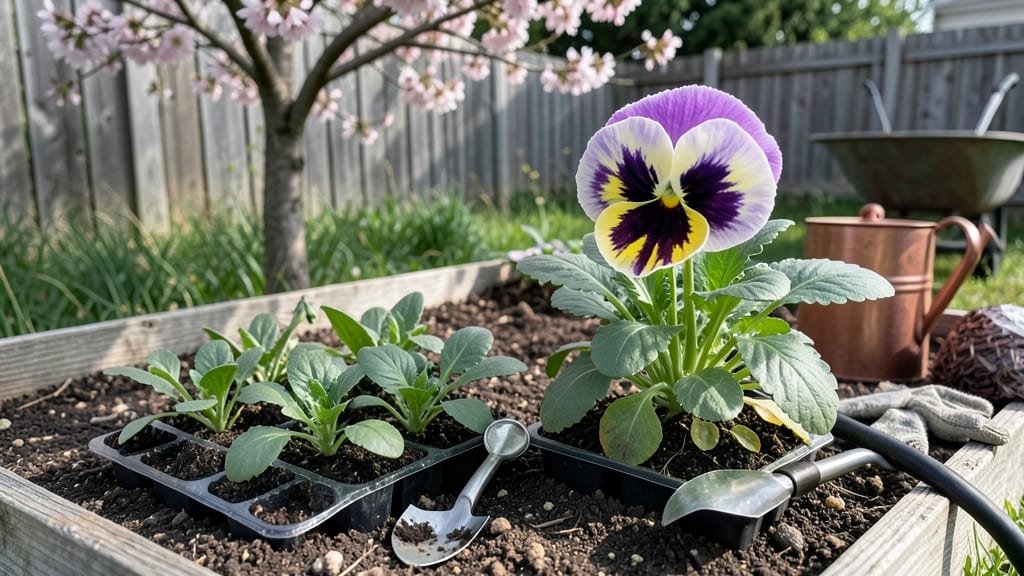
Timing your pansy planting in South Carolina can mean the difference between a vibrant garden bursting with color and a sad, frost-nipped disappointment. These cheerful little flowers 🌸 love cooler weather, but SC’s unpredictable frost dates make getting the schedule right absolutely critical.
If you’ve ever wondered why some gardeners get stunning fall blooms while others struggle with wilted pansies, the answer lies in knowing exactly when to plant them. The key is working with—not against—your local climate, whether you’re in the cooler Upstate or the milder coastal regions.
I’ll show you the precise windows that work best for each zone.
You’ll discover how to choose frost-resistant varieties that thrive in SC’s USDA Zone 8a, plus pro tips for extending their bloom time through winter. No more guessing games—just reliable, science-backed timing that guarantees those cheerful faces in your garden all season long.
Ready to transform your landscape into a year-round pansy paradise? Let’s dive into the exact months, soil prep secrets, and regional adjustments that will make your planting season foolproof.
Best months to plant pansies in South Carolina for year-round color
Timing your pansy planting in South Carolina depends on two key seasons: fall for early blooms and spring for extended color. Since SC spans USDA zones 7b-8a, frost dates vary—coastal areas freeze later than the Upstate.
Aim for 6-8 weeks before first frost (typically September-October) for fall blooms, or 4-6 weeks before last frost (usually February-March) for spring displays.
Pansies thrive in cooler temperatures between 40°F-75°F. Planting too early in August risks heat stress, while waiting until November may mean missing the first frost. Staggered planting in both seasons ensures continuous color from fall through spring, even with SC’s unpredictable weather patterns.
🌸
| Season | Planting Window | Bloom Duration | Key Notes |
|---|---|---|---|
| Fall | September 15 - October 15 | October - March | Plant 6-8 weeks before first frost; coastal areas can wait until late October. |
| Spring | February 15 - March 15 | April - June | Plant 4-6 weeks before last frost; Upstate may need earlier planting. |
| Late Summer (Coastal) | August 1 - August 15 | September - November | Only viable in coastal SC with shade protection; high heat risk inland. |
| Winter (Hardy Varieties) | November 1 - December 15 | December - February | Use 'Matrix' or 'Majesty' series; mulch heavily for insulation. |
For Upstate SC (zones 7b), aim for September 1-15 to avoid early frosts that can hit by November 15. In contrast, coastal Charleston (zone 8a) can plant until late October or even early November for winter blooms.
Check your local frost dates—the SC State Climate Office provides updated forecasts annually.
Soil temperature plays a crucial role. Pansies germinate best in soil between 50°F-65°F. Use a soil thermometer to confirm readiness—waiting for cooler soil prevents leggy seedlings. Morning planting on cloudy days reduces transplant shock from afternoon heat.
🌿
Container gardening extends your planting window. Pots warm up faster than garden beds, so start 4-6 weeks earlier in late August for fall displays. Use well-draining containers with 10-12 hours of light to compensate for limited root space.
Coastal gardeners can even overwinter pansies in containers by moving them to protected patios during cold snaps.
Protect young seedlings from deer and rabbits, which are common in SC. Use chicken wire cages or apply deer repellent like rotten egg scent around beds. In low-lying areas, pansies may suffer from soil saturation—amend with compost to improve drainage before planting.
💧
After planting, focus on consistent moisture without waterlogging. Pansies in full sun need 1 inch of water weekly, while shaded plants tolerate drier conditions. Mulch with 2-3 inches of straw to retain moisture and suppress weeds.
In spring, reduce watering as temperatures rise to prevent powdery mildew, a common fungal issue in SC’s humid climate.
For longer-lasting blooms, deadhead spent flowers every 7-10 days. This encourages continuous flowering from fall through spring, even when temperatures fluctuate. Pair pansies with cabbage or kale for a low-maintenance pollinator garden that thrives in SC’s cool-season windows.
Best months to plant pansies in South Carolina for year-round color
Timing your pansy planting in South Carolina depends on your goal: vibrant fall blooms or early spring color. The Upstate (USDA Zone 7b) and Coastal regions (Zone 8a) have slightly different frost dates, so adjust accordingly. For most gardeners, September-October and February-March are the sweet spots.
In Zone 7b, the average first frost hits around November 15, while Zone 8a holds off until December 1. Planting 6-8 weeks before frost ensures roots establish before winter chill sets in.
For spring blooms, aim for 4-6 weeks before your last frost (typically March 15 in both zones).
📅 Pansy Planting Schedule for SC
| Region | Best Planting Window | Frost Considerations | Bloom Period |
|---|---|---|---|
| Upstate (Zone 7b) | September 15-October 15 February 15-March 15 |
First frost: Nov 15 Last frost: Mar 15 |
Fall: Oct-Apr Spring: Mar-May |
| Coastal (Zone 8a) | September 1-October 30 February 1-March 30 |
First frost: Dec 1 Last frost: Mar 1 |
Fall: Oct-Jun Spring: Feb-Jun |
For extended color, try staggered planting: sow half your pansies in late August for early fall blooms, then add more in October and February.
This creates a continuous display from October through May. Just beware of late spring heat, which can cause pansies to bolt prematurely.
If you’re in a microclimate (like a sheltered garden bed), you can push planting 2 weeks later than the general schedule. Use a frost blanket for added protection during unexpected cold snaps. For container gardening, plant 2-3 weeks earlier since pots cool faster and are more vulnerable to frost.
Always check soil temperature before planting—pansies prefer 45-65°F for root establishment. Use a soil thermometer to confirm readiness. In warmer years, you might even squeeze in a November planting for late-winter blooms!
Pro tip: Mark your planting dates on a garden calendar to avoid missing the 6-8 week window before frost. This simple habit ensures your pansies thrive and reward you with months of vibrant color! 🌸