
Plants
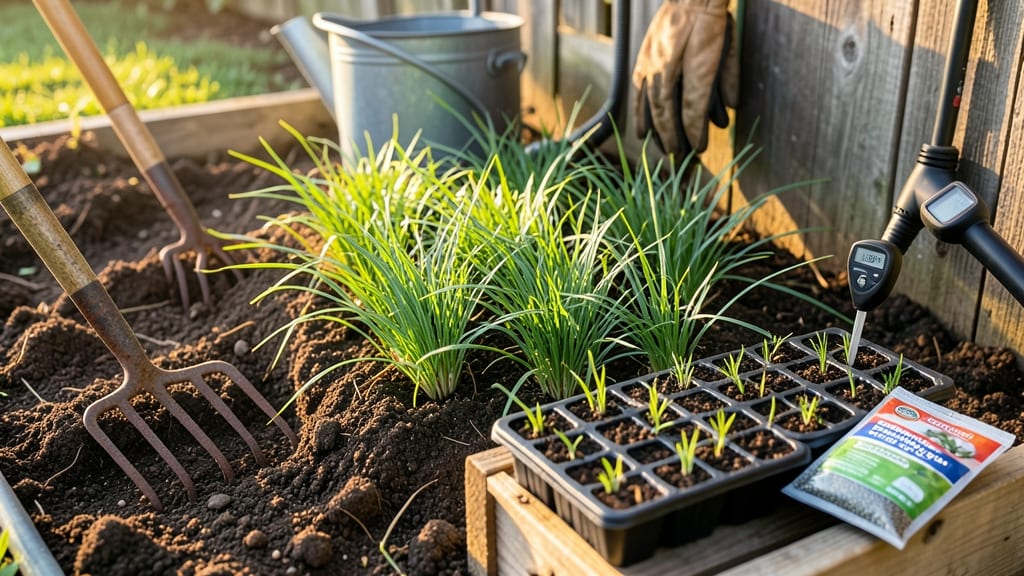
Timing your grass planting in South Carolina can make or break your lawn's success—get it wrong, and you're staring at patchy dirt for months. The 7b-8a climate zones here mean your coastal lawn behaves differently than Piedmont grass, so knowing the perfect window matters more than you think.
Most gardeners swear by early spring or fall planting, but the ideal months depend on whether you're dealing with warm-season Bermuda or cool-season ryegrass.
I'll break down exactly when to plant in each zone, plus how to prep your soil for maximum success—because even the best grass seeds need the right conditions to thrive.
You might think "just plant when it's warm" is enough, but South Carolina's unpredictable weather throws curveballs. Learn the critical temperature triggers that tell you it's finally safe, and avoid common mistakes that leave lawns struggling. Let's get your grass off to the strongest start possible.
Whether you're seeding a new yard or overseeding an old one, these insights will save you time, money, and frustration. Ready to transform that bare soil into lush, green coverage? Let's dive into the perfect planting schedule for your specific zone.
Best months to plant grass in South Carolina by climate zone
South Carolina’s three distinct climate zones—Coastal, Piedmont, and Mountain—each demand slightly different timing for planting grass. The key is aligning your planting schedule with soil temperatures, rainfall patterns, and frost-free windows.
In my experience, the ideal window spans from early spring to early fall, but exact months vary by zone.
For warm-season grasses (like Bermuda, Zoysia, and St. Augustine), the best time is late spring to early summer when soil temps hit 65°F+. Meanwhile, cool-season grasses (like Fescue and Ryegrass) thrive when planted in early spring or late summer, avoiding summer heat stress.
Let’s break down the specifics for each zone.
🌱 Coastal SC (Zone 8a): This region enjoys longer growing seasons and milder winters. Plant cool-season grasses in February–March or August–September, while warm-season grasses go in April–May. The last frost date is typically mid-March, so don’t rush early planting.
🌿 Piedmont SC (Zone 7b-8a): With hotter summers and cooler winters, Piedmont areas benefit from early spring (March–April) for cool-season grasses and late summer (August) for warm-season types. Soil temps here can lag behind coastal areas, so monitor 60°F+ thresholds closely.
🏔️ Mountain SC (Zone 7b): Higher elevations mean shorter growing seasons and later frost risks. Aim for April–May for cool-season grasses and late summer (August–early September) for warm-season varieties. The first frost often arrives by mid-November, so plan accordingly.
| Climate Zone | Best Planting Months | Soil Temp Requirement | Grass Types |
|---|---|---|---|
| Coastal | Feb–Mar, Aug–Sep | 60°F+ | Cool-season (Fescue, Ryegrass) / Warm-season (Bermuda, Zoysia) |
| Piedmont | Mar–Apr, Aug | 65°F+ | Cool-season (Tall Fescue) / Warm-season (Centipede) |
| Mountain | Apr–May, Aug–Sep | 55°F+ | Cool-season (Fine Fescue) / Warm-season (Limited options) |
Beyond months, soil temperature is your best guide. Use a soil thermometer to confirm 60°F+ for cool-season grasses and 65°F+ for warm-season varieties. In my Coastal garden, I’ve found that August planting often yields faster establishment than spring due to consistent rainfall and warmer soils.
Rainfall also plays a role. Coastal areas receive more evenly distributed rain, while Piedmont and Mountain zones may need supplemental watering during dry spells. Always water deeply after planting to encourage root development. A 1-inch weekly watering rule works well until germination completes.
Pro tip: Test your soil’s pH before planting. Cool-season grasses prefer 6.0–7.0, while warm-season types thrive at 6.0–6.5. Amend with lime or sulfur as needed. In Mountain SC, I’ve had to lower pH for Bermuda grass to prevent nutrient lockout.
Timing isn’t just about months—it’s about weather patterns. Avoid planting when heavy rains or extreme heat are forecasted. In 2022’s record heatwave, my June planting struggled until September rains revived growth. Patience and adaptability are key!
Finally, choose the right grass type for your zone. Coastal homeowners often opt for St. Augustine or Centipede, while Piedmont gardens favor Tall Fescue. Mountain areas may need Fine Fescue for cooler climates. Always check USDA Zone 7b-8a recommendations for your specific variety.
By aligning your planting with local climate cues, you’ll set your lawn up for successful establishment and long-term health. Next, let’s dive into soil prep—the foundation of a thriving South Carolina lawn! 🌱
Best months to plant grass in South Carolina by climate zone
South Carolina’s diverse climate zones—Coastal, Piedmont, and Mountain—each demand a tailored approach to grass planting timing. Coastal areas thrive with early spring plantings, while Piedmont and Mountain regions benefit from slightly later windows due to cooler temperatures.
Understanding these differences ensures your grass seed germinates successfully and establishes strong roots before summer heat or winter frost arrives.
For warm-season grasses like Bermuda and Zoysia, the ideal window is late spring to early summer (May-June), while cool-season grasses like Tall Fescue and Ryegrass prefer early spring (March-April) or fall (August-September).
Timing aligns with soil temperatures—aim for 60°F or warmer for optimal germination. Let’s break down the best months for each zone to avoid common pitfalls.
If you’re planting cool-season grasses, prioritize early spring (March-April) to give roots time to establish before summer heat. For warm-season grasses, wait until soil warms to 65°F+—typically May-June in Coastal areas and June-July in the Mountains.
Pro tip: Use a soil thermometer to monitor temperatures; consistent warmth speeds up germination.
South Carolina’s fall planting window (August-September) is ideal for cool-season grasses, as cooler temps reduce stress. However, avoid planting in October or later, as frost can damage young seedlings. In the Piedmont and Mountain regions, aim for late August to maximize root growth before winter dormancy.
Regardless of zone, always check the 7-day weather forecast before planting. Avoid days with heavy rain or high winds, as these can bury seeds or erode soil. Lightly water the area 2-3 days before planting to moisten the soil without creating puddles—this ensures seeds make immediate contact with moisture.
For best results, align your planting schedule with your grass type and local microclimate. Coastal homeowners can push the envelope with late April plantings, while Mountain gardeners should delay until May to avoid frost. Always choose region-specific grass varieties—ask your local nursery for recommendations tailored to your zone.