
Trees
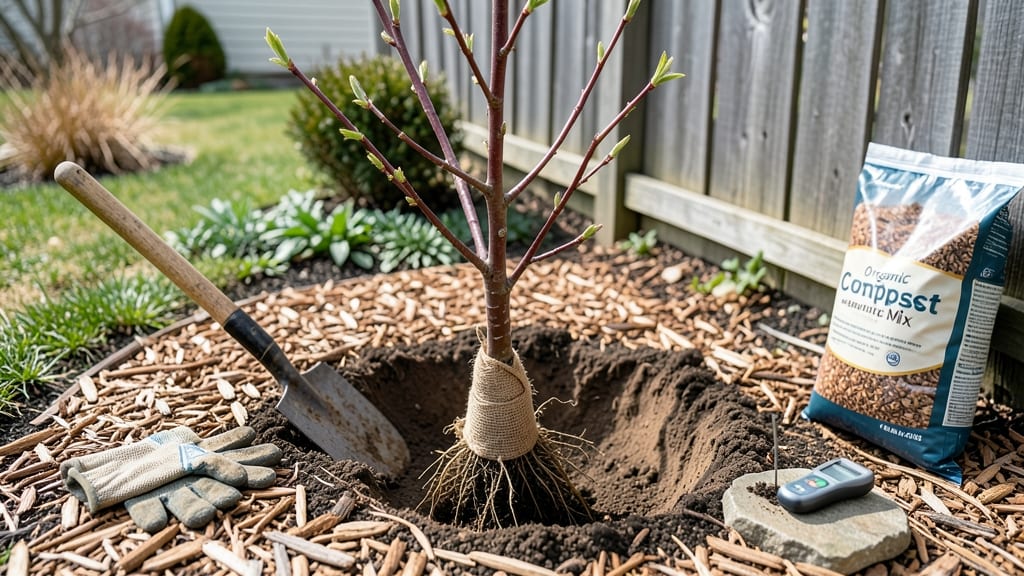
Timing your 🍑 peach tree planting in Virginia isn’t just about picking a month—it’s about beating the first frost while giving roots time to establish before summer’s heat.
Plant too early, and you risk weak growth; too late, and winter’s chill can kill your young sapling before it even takes hold.
Virginia’s 6a-8a zones mean your ideal window shifts from late February in warmer southern regions to early April in cooler northern areas. The key? Planting 4-6 weeks before your last frost date—whether that’s March 15th in Zone 6a or April 15th in Zone 8a—sets your tree up for success.
But here’s the catch: bare-root trees need moist soil to root, while containerized varieties offer flexibility. I’ll break down which option works best for your Virginia climate, plus how to prep soil, protect against pests, and avoid the 3 biggest mistakes that derail peach tree growth.
Ready to grow a thriving orchard? Let’s dive into the exact steps—from soil prep to frost-proofing—that’ll have your 🍑 peach tree bursting with fruit by next summer.
Virginia’s frost-free zones & best planting months for peach trees
Peach trees thrive in Virginia’s USDA Zones 6b-8a, but the exact planting window depends on your zone and local frost dates. In Zone 6a (northern VA), aim for late March to early April, while Zone 8a (southeastern VA) can plant as late as mid-April.
These dates ensure roots establish before summer heat or winter frost.
Virginia’s climate varies dramatically—from the cool Piedmont region to the warmer Coastal Plain. For example, Blacksburg (Zone 6b) has a last frost around April 15, while Norfolk (Zone 8a) rarely sees frost after March 15. Always check your local average last frost date before planting.
Peach trees need 6-8 weeks of warm soil to establish roots before summer.
Planting too early risks late frosts damaging new growth, while planting too late may stunt root development. Bare-root trees should go in the ground 4-6 weeks before last frost, while containerized trees can handle slightly later planting.
Fall planting is not recommended in Virginia due to the risk of early winter frosts. If you must plant in fall, choose hardy varieties like Reliance and plant 8-10 weeks before first frost to allow root establishment.
Here’s how Virginia’s three main regions differ in planting timing:
| Region | USDA Zone | Last Frost Date | Best Planting Window | Key Consideration |
|---|---|---|---|---|
| Piedmont (e.g., Charlottesville) | 6b-7a | April 1-15 | Late March–Early April | Late frosts common; choose cold-hardy varieties |
| Coastal Plain (e.g., Richmond) | 7b-8a | March 15–April 1 | Mid-March–Mid-April | Warmer microclimates; watch for heat stress |
| Mountains (e.g., Roanoke) | 6a-6b | April 15–May 1 | Early April–Early May | Short growing season; prioritize early varieties |
For container planting, extend your window slightly—containers warm up faster in spring. However, bare-root trees must go into the ground before buds swell. If you’re unsure, use a frost clock or local Cooperative Extension Service data for precise timing.
Pro tip: Use mulch (straw or wood chips) after planting to insulate roots and retain moisture. This is especially critical in Virginia’s hot, humid summers, where mulch can reduce soil temperature by 10°F.
Missed the spring window? Don’t panic—you can still plant containerized trees in early summer (May), but expect slower root growth before winter. Avoid planting after July to prevent stress from late-season heat.
Always check your local frost dates—they can vary by 2-3 weeks from the averages. For real-time updates, bookmark the Virginia State Climate Office or use the Old Farmer’s Almanac frost predictor.
Timing isn’t just about frost—it’s about giving your peach tree the best shot at survival. With the right window, you’ll see stronger growth, earlier fruiting, and healthier trees for years to come. 🌱
Virginia’s frost-free zones & best planting months for peach trees
Virginia’s diverse climate means peach trees thrive in USDA zones 6b through 8a, but the best planting window shifts depending on where you live.
In the mountains (Zone 6b-7a), like in Roanoke or Blacksburg, you’ll want to plant earlier than in Coastal Virginia (Zone 7b-8a), where milder winters extend the growing season. Understanding your last frost date is critical—planting too early risks frost damage, while waiting too long delays root establishment.
For most of Virginia, the ideal planting months are March and April, giving young trees time to root before summer heat.
However, northern Virginia (Zone 6b-7a) gardeners should aim for late February to early March, while southern Virginia (Zone 7b-8a) can plant as late as April or even early May.
The key is planting 4-6 weeks before your average last frost date, which varies from March 15 in the mountains to April 15 near Norfolk.
| Virginia Region | USDA Zone | Last Frost Date | Best Planting Window |
|---|---|---|---|
| Mountains (e.g., Roanoke, Blacksburg) | 6b-7a | March 15 | Late February - Early March |
| Piedmont (e.g., Richmond, Lynchburg) | 7a-7b | March 30 | March - Early April |
| Coastal Plain (e.g., Norfolk, Virginia Beach) | 7b-8a | April 15 | April - Early May |
Fall planting is riskier in Virginia due to unpredictable late frosts, but it’s possible in Zone 8a if you plant 6-8 weeks before the first frost (typically by September 15). In colder zones, fall planting leaves little room for root growth before winter dormancy.
If you choose fall, opt for container-grown trees—they establish roots faster than bare-root varieties in the short Virginia autumn.
One common mistake Virginia gardeners make is planting too late in spring, especially in Zone 6b. If you miss the March-April window, your tree may struggle to harden off before winter.
Conversely, planting bare-root trees in wet soil (common in Virginia’s spring rains) can cause root rot. Always dig a hole and let it sit for 24 hours before planting to ensure proper drainage.
For container-grown peach trees, the window is slightly more flexible—you can plant throughout the growing season, but avoid extreme heat or cold. If you’re in Zone 7a or warmer, early fall planting (late August to early September) can work, but monitor soil moisture closely.
Mulch heavily with wood chips or straw to retain moisture and regulate soil temperature, which is especially helpful in Virginia’s humid summers.
Pro tip: Use local nurseries like Mountain Valley Nursery (Zone 6b-7a) or Virginia Cooperative Extension resources to find climate-adapted varieties. They’ll recommend trees bred to handle Virginia’s late spring frosts and summer heatwaves, giving your peach tree the best shot at success.
Start with a dwarf or semi-dwarf variety if space is limited—these adapt well to Virginia’s urban and suburban gardens.