
Plants
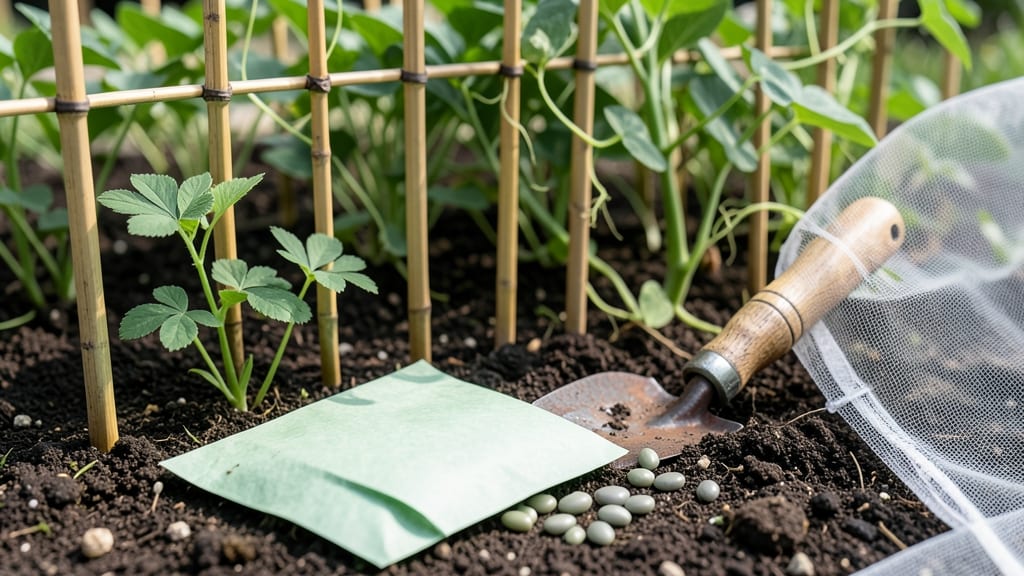
Timing when to plant peas in northern California just right could mean the difference between a thriving garden and a sad, stunted harvest. Unlike other crops, peas actually prefer the cooler months—planting them too early risks frost damage, while waiting too long means missing the sweet spot for flavorful pods.
In USDA Zones 8a-9b, the ideal window stretches from late winter to early spring, but microclimates like the Bay Area’s coastal chill or the Sacramento Valley’s warmer inland pockets change the game.
I’ll break down exactly when to sow your seeds—plus how to protect tender plants from unexpected late frosts that can turn your harvest into a bitter disappointment.
You’ll discover which pea varieties handle Northern California’s quirks best and how to stretch your growing season with simple tricks like row covers and companion planting. No more guessing games—just a foolproof plan for crisp, sweet peas straight from your garden.
Ready to turn your backyard into a pea powerhouse? Let’s get those seeds in the ground at the perfect moment—before the weather throws you a curveball.
Northern California pea planting calendar: best months & frost tolerance guide
Northern California’s USDA Zones 8a-10 offer two ideal windows for planting peas: fall (September-October) and early spring (February-March). These cool-season crops thrive when daytime temps hover between 45°F and 75°F, making them perfect for our mild winters and spring transitions.
Planting too early risks frost damage, while waiting too late can lead to bitter-tasting pods or poor yields.
Your microclimate matters. Coastal areas like San Francisco and Santa Cruz enjoy milder winters with later frost dates, while inland valleys like Sacramento and Stockton experience colder snaps.
Always check your local last frost date—typically December 15 for inland areas and January 10 near the coast—to time your planting perfectly.
Avoid planting peas in summer heat, as temperatures above 75°F cause flowers to drop and pods to become woody or bitter. Instead, focus on fall or spring plantings for the sweetest, most tender harvests. For continuous harvests, consider successive planting every 2-3 weeks during your ideal window.
| Planting Window | Ideal Months | Frost Risk | Harvest Window | Notes |
|---|---|---|---|---|
| Fall Planting | September-October | Low (mild winters) | November-March | Best for coastal areas; use row covers for extra protection. |
| Early Spring Planting | February-March | Moderate (late frosts) | May-July | Ideal for inland valleys; plant 4-6 weeks before last frost. |
| Late Spring Planting | April (coastal only) | High (heat stress) | June-August | Risky; limit to shade-tolerant varieties like 'Sugar Snap'. |
For coastal gardeners, fall planting in September-October is your best bet. Peas sown this early will mature before winter chills set in, often producing harvests by November. Use lightweight row covers if frost threatens, as peas can tolerate temps down to 20°F once established.
Inland gardeners should prioritize February-March plantings to avoid late frosts. Aim to have peas in the ground 4-6 weeks before your last frost date—typically mid-March for Sacramento and early April for higher elevations. This timing ensures vines have enough time to mature before summer heat arrives.
If you’re growing peas in containers or raised beds, start seeds indoors 6-8 weeks before transplanting to give them a head start. Use well-draining soil mixed with compost to provide the phosphorus-rich environment peas crave.
Avoid planting in soil where beans or peas grew the previous year to prevent soil-borne diseases.
Pro tip: Mark your pea planting dates on a calendar and set reminders for harvesting, which typically occurs 60-75 days after sowing. Regular harvesting encourages more production, so check your plants every 2-3 days once pods appear.
Look for pods that are 2-3 inches long and firm to the touch—these are ready to pick!
Remember, successive planting is key to a continuous harvest. Sow a new batch every 2 weeks during your ideal window to enjoy peas from fall through early summer.
This strategy also reduces the risk of pest infestations and disease pressure, as you’re not overwhelming your garden with one massive planting.
🌱
How to extend pea growing season: frost-proofing & successive planting tricks
Northern California’s cool, wet winters create perfect conditions for peas—but late frosts can still damage tender shoots. The key is strategic planting and simple frost-proofing techniques to keep your crop thriving until harvest.
I’ve grown peas in Zone 8b for years, and these methods have saved my harvests time and again.
Start by choosing cold-hardy varieties like 'Sugar Snap' or 'Oregon Sugar Pod', which tolerate light frosts down to 25°F. Pair them with row covers or mulch blankets to shield young plants from unexpected cold snaps.
Even a lightweight frost cloth can raise soil temperatures by 5-8°F, giving peas a fighting chance.
For successive planting, stagger your sowing every 2-3 weeks from late February to early April. This ensures a continuous harvest from May through July, even if the first planting gets hit by frost.
In my Sacramento Valley garden, I’ve extended the season by 4-6 weeks using this method.
🌱 5 Frost-Proofing Tips for Peas
- Use row covers for young plants until they’re 4-6 inches tall.
- Mulch heavily with straw or leaves to insulate soil.
- Plant near windbreaks like fences or shrubs to reduce chill.
- Avoid overhead watering before frost—wet foliage freezes easier.
- Harvest before hard frost (below 20°F) to salvage pods.
Companion planting is another game-changer for cold-season peas. Pair them with onions, garlic, or herbs like thyme or dill to deter pea aphids and pea weevils, which thrive in cool weather. I’ve also had success with marigolds—their scent repels pests while adding vibrant color to the garden bed.
If you’re in a coastal microclimate (like San Francisco), you can push planting even earlier—as early as January—thanks to milder temperatures. Inland areas (like Sacramento) should wait until mid-February to avoid hard freezes. Always check your local last frost date and adjust accordingly.
Finally, don’t forget to train your peas on trellises or stakes early in the season. This not only saves space but also improves air circulation, reducing the risk of fungal diseases like powdery mildew—a common issue in Northern California’s damp springs.
With these tricks, you’ll enjoy sweet, crisp peas straight from your garden for weeks!