
Plants
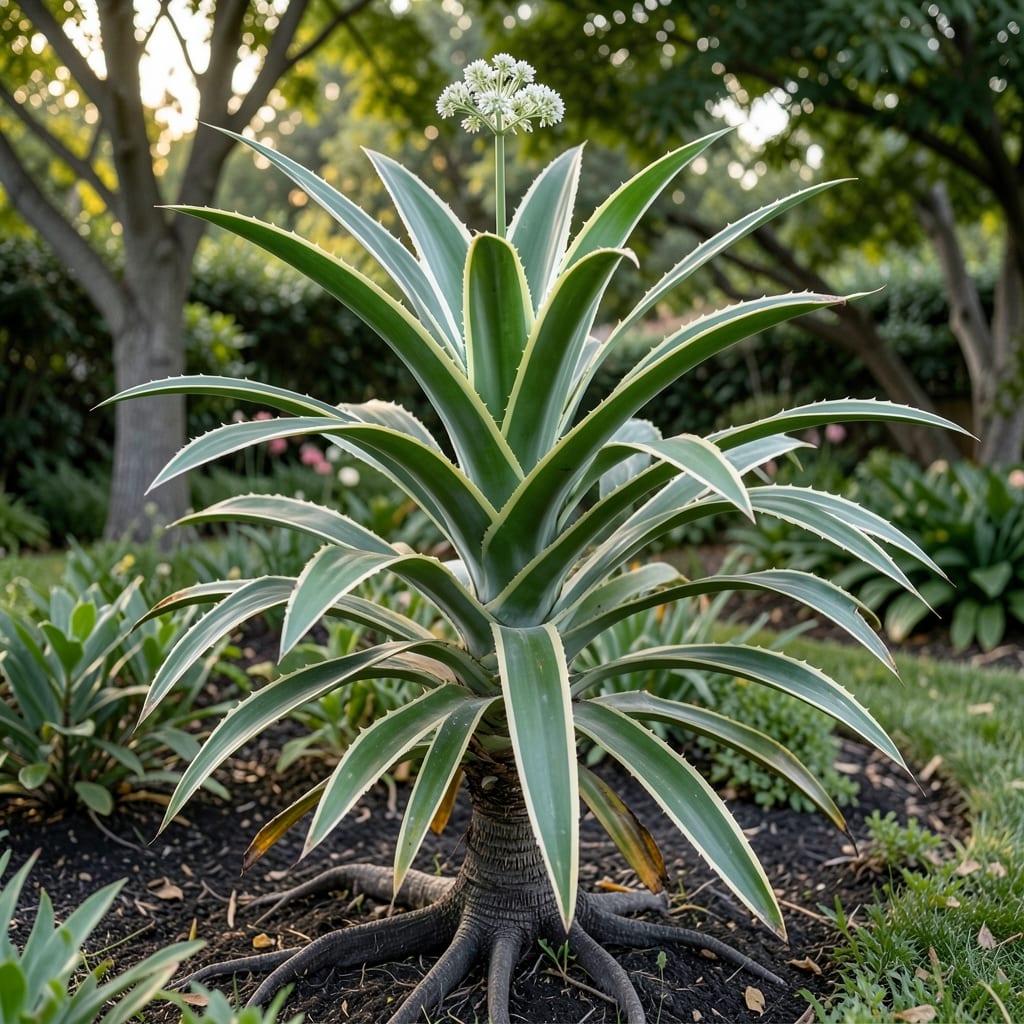
Dracaena height ranges by variety: from tabletop to towering giants
Dracaenas are among the most popular houseplants because of their striking foliage and adaptability. But if you’re eyeing one for your space, knowing how tall dracaena plants grow is key to choosing the right variety. Some stay compact enough for shelves, while others can become floor-ceiling giants in just a few years. Let’s break down the height ranges for the most common dracaena species, including both indoor and outdoor growth expectations.
The Dracaena marginata, or Dragon Tree, is one of the fastest-growing varieties. Indoors, it typically reaches 4–6 feet tall within 3–5 years, but with optimal care, it can soar to 10–15 feet—perfect for large rooms or even outdoor landscapes in warmer climates. Outdoors in zones 10–12, it can grow even taller, sometimes exceeding 20 feet with time.
For smaller spaces, the Dracaena fragrans, or Corn Plant, is a better fit. Indoors, it usually grows 3–6 feet tall, though varieties like ‘Massangeana’ (also called the Yellow Edge Dracaena) stay slightly shorter at 3–5 feet. Outdoors in tropical regions, it can reach 10–15 feet, but it’s rarely grown this way due to its preference for indoor conditions.
The Dracaena deremensis, including the popular ‘Warneckii’ variety, is another crowd-pleaser. Indoors, it typically grows 4–6 feet tall, but with proper care, it can stretch to 8–10 feet. Outdoors in frost-free zones, it can grow even taller, sometimes reaching 15 feet or more, making it a stunning focal point in gardens.
Now, let’s compare these varieties side by side to help you visualize their mature sizes and choose the best fit for your space.
If you’re wondering how long it takes for a dracaena to reach its mature height, most varieties grow 1–2 feet per year under ideal conditions. For example, a Dracaena marginata can hit 6 feet in just 3–4 years, while a Dracaena fragrans might take 4–5 years to reach the same height. The key to controlling their growth lies in understanding the factors that influence their height, which we’ll explore in the next section.
One common misconception is that all dracaenas grow equally tall. In reality, some varieties like the Dracaena sanderiana (Lucky Bamboo, though not a true dracaena) stay under 2 feet, making them perfect for desks or small tables. Meanwhile, others like the Dracaena cinnabari (Dragon Blood Tree) can grow 20–30 feet tall outdoors in their native habitats—though they’re rarely seen indoors due to their size.
When choosing a dracaena, consider not just its mature height but also your space and care routine. A Dracaena marginata might be too tall for a small apartment, while a Dracaena compacta could get lost on a bookshelf. Matching the variety to your environment ensures both the plant and your space thrive.
Ready to control your dracaena’s height? In the next section, we’ll dive into the factors that determine dracaena growth, including light, pot size, and pruning techniques to keep your plant at your desired height.
Factors that determine dracaena growth height: light, pot size, and pruning
Your dracaena’s height isn’t just about genetics—light exposure, container size, and pruning habits play huge roles in how tall it grows. For example, a dracaena marginata (Dragon Tree) left in low light may stay under 5 feet tall, while the same plant basking in bright indirect light could reach 10 feet in 5 years. Understanding these factors helps you control your plant’s growth trajectory.
One of the biggest influences is light conditions. Dracaenas thrive in bright indirect light, which encourages vertical growth. Place yours near an east-facing window—this gives them enough light without scorching the leaves. Too little light? Your plant will grow slowly and leggy, while too much direct sun can cause leaf burn, stunting growth entirely.
Pot size matters just as much as light. If your dracaena is root-bound, it’ll focus energy on growing taller rather than wider. Always choose a container that’s 2-3 inches wider than the plant’s current root ball. For example, a 6-inch pot works for a 1-year-old dracaena, but a 12-inch pot is better for a 3-year-old plant. Overpotting isn’t ideal either—it can lead to overwatering issues and slower growth.
- 💡 Light Exposure: Bright indirect light = faster, taller growth; low light = stunted, leggy growth.
- 🪴 Pot Size: Root-bound plants grow taller; upgrade pots every 2-3 years for balanced growth.
- ✂️ Pruning: Trimming stems encourages bushier growth; cutting back top growth can reduce height.
- 🌡️ Temperature: Warmer environments (70-85°F) speed up growth; cooler temps slow it down.
- 💧 Watering: Overwatering can weaken stems, while underwatering stresses the plant, affecting height.
Pruning is another powerful tool to manage your dracaena’s height. If you notice your plant becoming too tall or top-heavy, simply trim the top 2-3 inches of the stem. This not only controls height but also encourages new growth from lower nodes, creating a fuller, bushier plant. For example, a dracaena fragrans (Corn Plant) that’s 6 feet tall can be pruned back to 4 feet and still thrive.
Don’t forget about temperature and humidity—these subtle factors also affect growth. Dracaenas prefer moderate temperatures (65-80°F) and 40-50% humidity. If your home is dry (common in winter), consider using a humidifier or placing a tray of water near the plant. This helps maintain steady growth without sudden spikes in height or leaf drop.
By paying attention to these factors, you can keep your dracaena at your desired height—whether you want a compact tabletop plant or a statement indoor tree. Start with the right light and pot, then adjust pruning as needed. Your dracaena will thank you with lush, healthy growth! 🌿