
Size
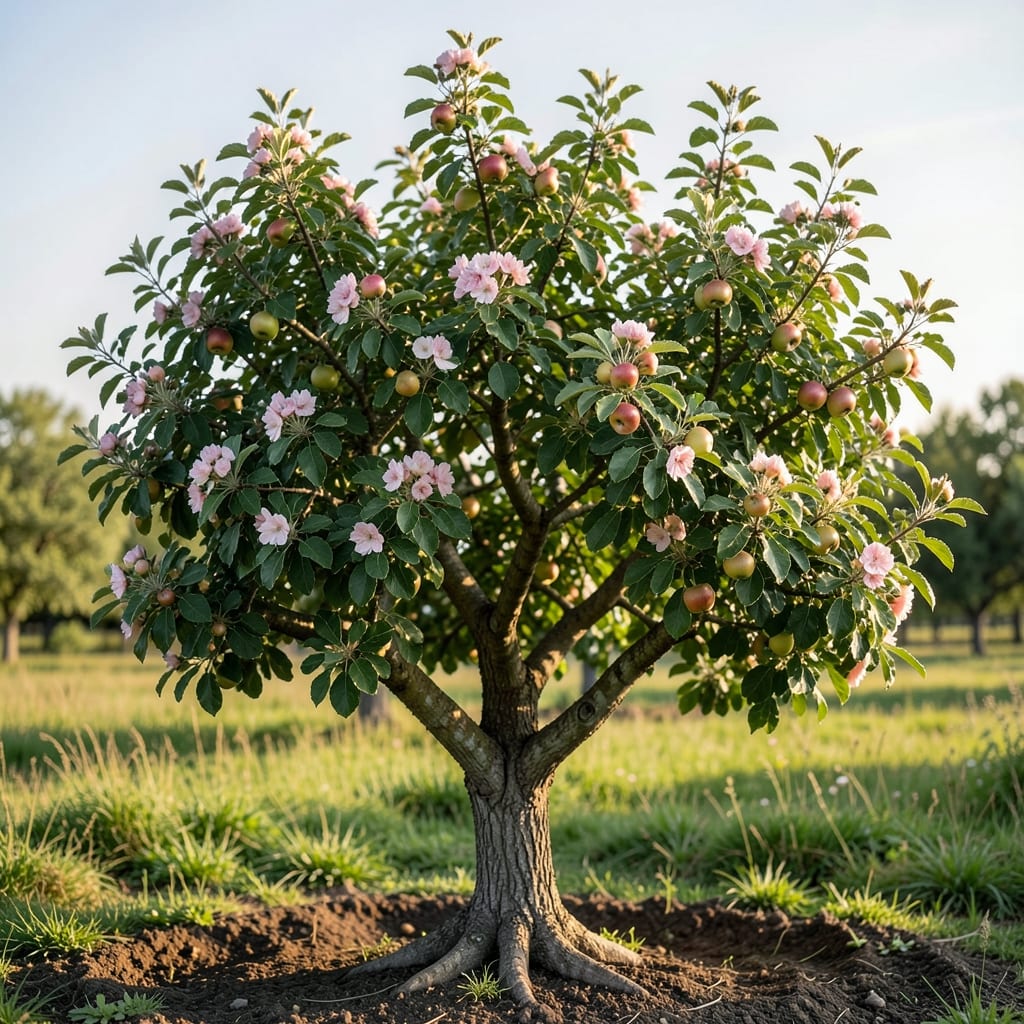
If you’ve ever dreamed of picking fresh apples from your own backyard but worried about space, the answer might surprise you—how tall can apple trees grow? The height of your 🍎 depends entirely on the type you choose, and the right selection could mean the difference between a container-friendly patio tree and a backyard-dominating giant.
Dwarf varieties stay compact—perfect for small gardens or even large pots—while standard trees can reach heights that dwarf your house. But here’s the kicker: with the right pruning and care, you can influence how tall (or short) your tree grows. Whether you’re working with 6a zone conditions or urban constraints, knowing the options and techniques will help you plant with confidence.
From 8-foot patio apples to 40-foot orchard giants, we’ll break down the height ranges of popular cultivars and the factors that shape their growth. Ready to discover which size fits your space—and your apple dreams? Let’s dive into the details.
You’ll also learn how to manage growth through pruning, rootstock choices, and spacing strategies, so even a spring-planted tree can stay the size you want. Whether you’re a first-time gardener or a seasoned grower, these insights will help you grow the perfect apple tree for your backyard.


Apple tree height by variety: dwarf, semi-dwarf, standard, and giant sizes explained
Apple trees come in a stunning range of heights, from 8-foot patio dwarfs to 40-foot orchard giants. The key to choosing the right size for your space lies in understanding the four main categories: dwarf, semi-dwarf, standard, and giant varieties. Each category offers unique benefits, whether you're working with a small urban yard or a sprawling rural property.
Dwarf apple trees are the space-savers of the orchard, typically reaching 6-12 feet at maturity. They’re ideal for containers, small backyards, or even rooftop gardens. Semi-dwarf varieties strike a balance, growing 12-18 feet tall, making them perfect for suburban homes with moderate space. Standard trees, the classic orchard workhorses, can tower 20-30 feet, while giant varieties exceed 30 feet, requiring acres of land.
Apple Tree Height Guide by Variety
| Variety Type | Mature Height | Space Needs | Best For |
|---|---|---|---|
| Dwarf | 6-12 ft | Containers, small yards, balconies | Urban gardens, patio growing |
| Semi-Dwarf | 12-18 ft | Suburban backyards, small orchards | Family homes, moderate spaces |
| Standard | 20-30 ft | Large yards, rural properties | Traditional orchards, privacy screens |
| Giant | 30+ ft | Acres of land, commercial orchards | Large-scale farming, heritage varieties |
The rootstock you choose determines 80% of your tree’s final height. Dwarfing rootstocks like M.9 or B.9 keep trees small, while standard rootstocks like MM.106 or MM.111 encourage taller growth. For example, a Granny Smith grafted onto M.9 rootstock will stay under 10 feet, while the same variety on MM.111 could reach 25 feet.
Climate also plays a role—cooler zones like USDA Zone 6a may stunt growth slightly, while warmer regions can accelerate height gains. In my Zone 6a garden, I’ve seen semi-dwarf Fuji trees grow 15 feet in just 5 years with proper care, while a standard Honeycrisp reached 22 feet in 8 years. The right combination of rootstock, variety, and care can make all the difference.
If you’re planting in containers, dwarf varieties like ‘Columnar’ or ‘Patio’ apples thrive in 15-gallon pots, while semi-dwarfs need 200-gallon containers or in-ground planting. Always consider how much headroom your tree will need—not just for height, but for branches that can spread 10-15 feet wider than the trunk.
For urban gardeners, I recommend starting with columnar varieties, which grow only 6-8 feet tall but produce full-sized apples. These trees are perfect for balconies or small patios and can be pruned to stay even smaller. Just be sure to choose a self-pollinating variety like ‘Red River’ or ‘Centennial’ to avoid needing a second tree.
No matter which size you choose, remember that pruning and training can further influence height. A standard tree can be kept 10 feet shorter with aggressive pruning, while a dwarf can be allowed to grow taller if you reduce pruning. The key is to start with the right rootstock and variety for your goals.
For large properties, standard or giant varieties offer privacy and shade, but they require regular pruning to manage height and shape. I once planted a 30-foot ‘Pink Lady’ apple tree as a windbreak, and within 10 years, it provided year-round shade for my entire backyard while producing hundreds of pounds of fruit annually.
Always check the mature height of your chosen variety before planting. A 20-foot tree
How to control apple tree height: pruning, spacing, and care tips for compact growth
If you’ve ever wondered how to keep your apple tree from becoming a backyard giant, the answer lies in pruning, rootstock selection, and proper spacing. Even a standard apple tree can be trained to stay under 12 feet with consistent care, while dwarf varieties can be encouraged to grow taller if you reduce pruning. The key is understanding how these techniques work together to shape your tree’s growth.
Start with the right rootstock—this is the foundation of height control. Dwarfing rootstocks like M.9 or B.9 naturally limit growth to 6-12 feet, while semi-dwarf rootstocks like MM.106 allow 12-18 feet of height. For example, a ‘Gala’ apple grafted onto M.9 will stay compact, while the same variety on MM.111 could reach 20 feet. Always check the rootstock details when purchasing your tree.
🌱 Pro Tip: Pruning for Height Control
To keep your apple tree at your desired height:
- Prune in late winter (just before buds swell) to remove suckers and water sprouts that encourage vertical growth.
- Use the open-center shape for dwarf trees to maximize fruit production while keeping height in check.
- Avoid topping (cutting the main trunk), as this can stress the tree and lead to weak regrowth.
🪴 Note: Always use sterilized pruners to prevent disease spread.
Spacing plays a crucial role in height management. Planting a dwarf apple tree too close to a fence or structure can stunt its growth or cause branches to rub against surfaces, leading to wounds. For dwarf varieties, space trees 6-8 feet apart, while semi-dwarfs need 12-15 feet of clearance. If you’re growing in containers, ensure the pot is at least 15 gallons for dwarf trees, with drainage holes to prevent root rot.
Pruning techniques like heading back (cutting just above a bud) and thinning out (removing entire branches) can further control height. For instance, if your semi-dwarf Fuji starts growing too tall, prune the central leader (main vertical stem) to encourage lateral branches. This not only reduces height but also improves fruit production by increasing airflow and sunlight penetration. I’ve seen 15-foot trees reduced to 10 feet in just two seasons with aggressive pruning.
Fertilizer also influences growth—too much nitrogen can lead to rapid, unchecked height growth. Use a balanced fertilizer like 10-10-10 in spring and early summer, but avoid heavy feeding in fall or winter. Over-fertilizing can result in weak wood and excessive vertical growth. Instead, focus on organic matter like compost to build strong roots without encouraging height spikes.
For urban gardeners with limited space, consider espalier training—a method where branches are spread along a fence or wall to grow horizontally. This keeps the tree’s height under 6 feet while maximizing fruit production. Varieties like ‘Columnar’ apples are naturally narrow and perfect for espalier, making them ideal for balconies or small patios. Just ensure they receive full sun and are planted in well-draining soil.
Finally, remember that patience is key. A newly planted dwarf apple tree may only grow 2-4 feet in its first year, while a standard tree can shoot up 6-8 feet annually. By combining the right rootstock, pruning, and spacing, you can shape your apple tree to fit your space—whether that’s a container on your deck or a privacy screen in your backyard. 🌳