
Succulent
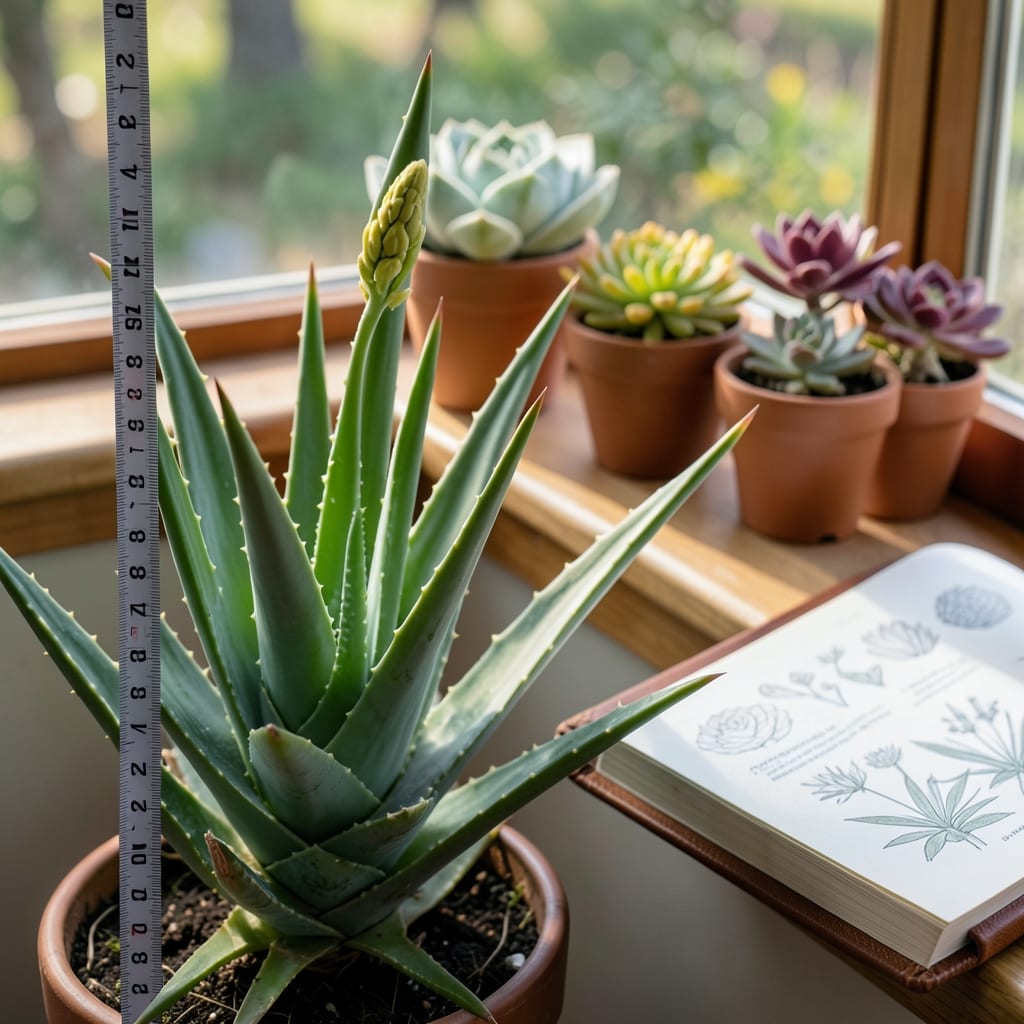
If you’ve ever wondered how tall can succulents grow, you might be in for a surprise—these plants range from tiny desk companions to towering giants that could outgrow your ceiling! The truth is, some varieties barely reach your palm, while others stretch taller than you are, turning the idea of a "small succulent" on its head. Whether you love delicate 🌵 Echeveria or dramatic Agave, their height potential is as varied as their shapes and colors. What determines whether your succulent stays compact or shoots for the sky? The answer lies in its species, growth habits, and even how you care for it. Whether you’re dreaming of a tiny desk garden or planning a bold backyard centerpiece, understanding these differences is key to creating the perfect setup for your green space. Let’s break down the dramatic range—from pint-sized Haworthia that fit in your pocket to Yucca or Dracaena that could rival a small tree. You’ll also discover how light, soil, and pruning can steer your succulent’s height in the direction you want, so you’re never stuck with an unexpected skyscraper on your windowsill. Ready to turn your succulent collection into a mix of tiny wonders and bold statement plants? Let’s explore the full spectrum of heights and how to work with them—so you can design a garden (or shelf) that’s as unique as your green thumb.


Succulent height ranges by species: from dwarf to tree-like giants
Succulents are famous for their diversity, and that includes height. Some varieties stay small enough to fit on a desk, while others grow tall enough to become architectural focal points in your garden. The key to understanding their potential lies in recognizing the three main height categories: dwarf, medium-height, and towering giants. Knowing which category your succulent belongs to helps you choose the right container, placement, and care routine.
Dwarf succulents are perfect for small spaces like windowsills or office desks. These plants typically mature at under 6 inches, making them ideal for terrariums or mixed containers with other tiny plants. Popular examples include Haworthia and Gasteria, which thrive in tight, well-draining pots. If you love the idea of a miniature garden, these are your best bet for keeping things compact.
Medium-height succulents strike a balance, reaching 6 to 24 inches at maturity. These are the workhorses of succulent collections, versatile enough for shelves, hanging baskets, or even as border plants in garden beds. Varieties like Echeveria and Sedum fall into this category, offering a mix of portability and visual impact. They’re also great for layered displays, where you can combine them with taller or shorter plants for depth.
Now, let’s talk about the towering giants—succulents that can grow 3 feet or taller. These are the showstoppers of the succulent world, often resembling small trees or dramatic architectural forms. Think Agave americana, which can reach up to 10 feet in ideal conditions, or Yucca, which can grow even taller in the right environment. If you have space and sunlight, these plants can become stunning focal points in your outdoor garden.
🌵 Succulent Height Guide by Species
| Category | Height Range | Examples | Best For |
|---|---|---|---|
| Dwarf | Under 6" | Haworthia, Gasteria, Lithops | Desks, terrariums, small pots |
| Medium | 6"–24" | Echeveria, Sedum, Sempervivum | Shelves, hanging baskets, borders |
| Tall | 3'–20'+ | Agave, Yucca, Dracaena | Outdoor gardens, focal points |
💡 Pro Tip: Always check your succulent’s mature height before purchasing to ensure it fits your space!
One of the most surprising facts about succulent height is how much it can vary even within the same species. For example, Agave americana might stay under 3 feet in a pot but can grow 10 feet or taller when planted in the ground with ideal conditions. This is why container size plays a huge role—root-bound succulents often grow taller as they search for more space. If you’re growing tall varieties, consider using deep pots or even planting them in the ground to encourage healthier, more controlled growth.
Light exposure also influences height. Succulents like Sansevieria (snake plant) can grow vertically when they don’t get enough light, stretching toward the nearest window in a process called etiolation. This isn’t just unsightly—it can weaken the plant. To keep your succulents sturdy and proportionate, ensure they receive 6+ hours of direct sunlight daily. If you’re growing indoors, a south-facing window or grow lights are your best friends for maintaining healthy proportions.
Another factor to consider is pruning. Many tall succulents, like Portulacaria afra (elephant bush), can be pruned to control their height and encourage bushier growth. Simply snip off the top growth just above a leaf node, and the plant will often branch out, creating a fuller, more compact shape. This is especially useful for indoor succulents where space is limited. Just be sure to use clean, sharp scissors to avoid damaging the plant.
If you’re planning a succulent garden, mixing heights can create a dynamic and visually appealing layout. Place taller varieties like Yucca or Dracaena at the back or center, with medium-height plants like Echeveria in the middle, and dwarf varieties like Haworthia in the front. This layering technique not only maximizes space but also adds depth and interest to your design. Just remember, taller succulents need more wind support in outdoor settings, so consider staking or grouping them to prevent toppling.
Finally, don’t forget that some succulents can offset or produce pups, which can also affect their overall height and spread. For example, Sempervivum (hens and chicks) forms tight rosettes but can spread aggressively, creating a low-growing mat over time. If you’re aiming for height, focus on species that grow vertically rather than horizontally. Understanding these growth habits will help you create a succulent collection that’s as functional as it is beautiful.
How growth habits affect succulent height: clumping, rosetting, and tree-like forms
Not all succulents grow the same way—and their growth habits directly impact how tall they become. Some stay low to the ground, forming tight clusters, while others stretch upward like miniature trees. Understanding these habits helps you predict (and even influence) your succulent’s height trajectory.
Take Echeveria, for example: these rosette-forming succulents rarely exceed 12 inches in height, making them perfect for shelves or windowsills. Their compact, circular shapes are all about width over height. On the flip side, Sansevieria (snake plant) grows vertically, often reaching 3-4 feet indoors with long, upright leaves that act like natural air purifiers.
Here’s how these growth habits break down—and why they matter for your garden:
- 1. Rosette Formers (e.g., Echeveria, Sempervivum): Stay 6-12 inches tall, spreading outward instead of upward. Ideal for fairy gardens or rock arrangements.
- 2. Clumping Succulents (e.g., Haworthia, Gasteria): Form tight clusters, rarely exceeding 1 foot. Perfect for desk gardens or terrariums.
- 3. Tree-Like Succulents (e.g., Agave, Yucca, Dracaena): Grow 3-20 feet tall with thick, woody stems. Need outdoor space or large containers.
- 4. Trailing Succulents (e.g., Sedum morganianum): Focus on horizontal growth, spilling over edges. Height stays under 12 inches but spread can reach 2 feet.
- 5. Stemmed Succulents (e.g., Hoya, Kalanchoe): Grow vertically on woody or flexible stems, often reaching 2-3 feet with proper support.
Light exposure plays a surprising role in height, too. Low-light conditions can stunt growth, while full sun encourages taller, more robust stems—especially in species like Agave or Aloe. For instance, an Agave americana in partial shade might stay under 3 feet, but in full sun, it can soar to 10+ feet over a decade.
Soil composition also matters: Well-draining, sandy soil prevents root rot and encourages upward growth, while dense, clay-heavy soil can slow height progression. If you’re growing a Sansevieria indoors, for example, using a cactus/succulent mix with perlite will help it reach its full 3-4 foot potential faster.
Even pruning can shape height—cutting back leggy stems on a Kalanchoe encourages bushier growth, while leaving it alone lets it stretch toward 2 feet. The key is observing your succulent’s natural tendencies and adjusting care to match its genetic growth pattern.
Ready to experiment? Try pairing a dwarf Haworthia (under 6 inches) with a tall Yucca (up to 10 feet) in your garden for a dramatic height contrast. Just remember: patience is key—some of these giants take 5-10 years to reach their full height! 🌵